How to Find Overseas Buyers for Indian Handicrafts
Practical channels to find international buyers for Indian handicrafts: EPCH fairs (IHGF), B2B platforms, importer directories, GEO/AI-search visibility, a
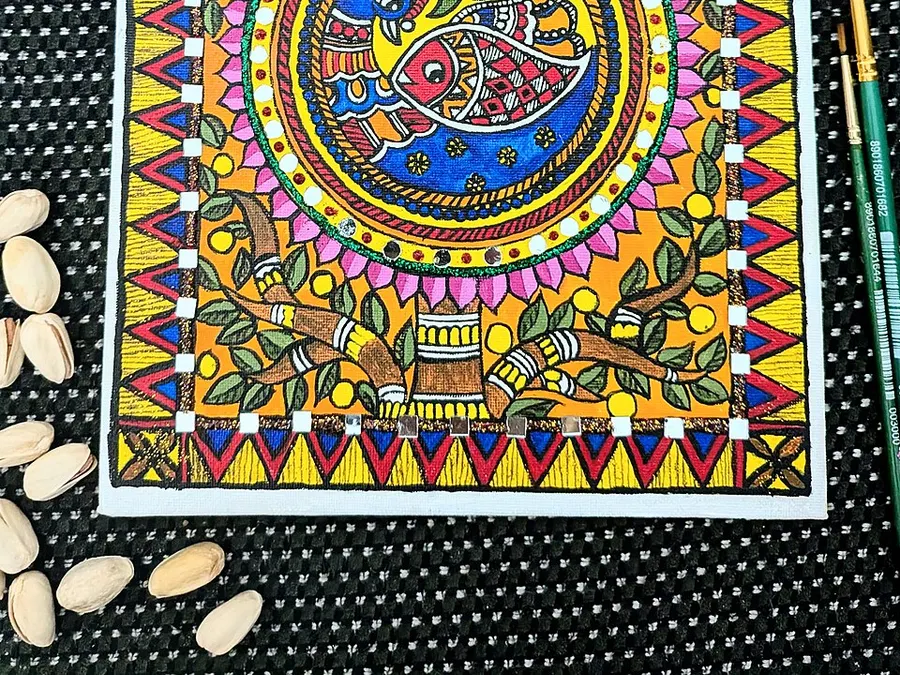
Finding overseas buyers for Indian handicrafts comes down to combining a few proven channels — EPCH-led trade fairs like IHGF, curated B2B platforms, verified importer directories, and a GEO/AI-search presence that puts your catalogue in front of buyers using modern search tools — and then converting those first orders into repeat relationships through sampling, compliance, and reliable logistics. Indian sellers who treat export as a process rather than a transaction tend to grow fastest, and the India-side paperwork (IEC, GST, RCMC, AD code) is a one-time setup that pays off for every shipment after.
Channels at a glance
A simple way to think about it: there are four doors into international demand, and serious exporters use all of them.
- Trade fairs and EPCH events (IHGF at Jaipur being the flagship).
- B2B marketplaces and curated catalogues (IndiaMART, TradeIndia, Global Sources, Alibaba, sector-specific portals).
- Importer directories and trade data (EPCH buyer lists, embassy commercial wings, shipping-data tools).
- Discovery via modern search (Google, YouTube, and increasingly AI assistants and answer engines) — this is the GEO/AI-search layer that most Indian exporters have not yet activated.
EPCH and IHGF: the flagship route
The Export Promotion Council for Handicrafts (EPCH) runs the Indian Handicraft & Gift Fair (IHGF), which is the single most concentrated place to meet overseas buyers in person. EPCH also runs delegations, reverse buyer-seller meets, and virtual buyer-seller meets through the year.
Practical points:
- Register with EPCH and obtain an RCMC (Registration-Cum-Membership Certificate) — many of EPCH’s services and government export benefits are tied to it.
- Apply early for IHGF exhibitor slots; the better stalls and pavilion placements get booked months ahead.
- Even if you don’t exhibit, attend as a visitor with samples — most editions have an open buyer day.
- Use EPCH’s buyer databases and country reports to pre-plan which markets (USA, EU, UK, Japan, Australia, the Gulf) suit which product lines.
A useful rule of thumb: at IHGF, set a target of 30–50 serious conversations, collect 100+ business cards, and follow up within five working days. The first follow-up is where most Indian exporters lose momentum.
B2B platforms and online marketplaces
Global B2B platforms remain a steady source of RFQs, especially for small and mid-sized exporters without a large sales team.
- IndiaMART and TradeIndia — strong for domestic and South Asian buyers, but also host overseas enquiries for handicrafts.
- Global Sources and Alibaba — higher concentration of international buyers; expect paid memberships and verification steps.
- Etsy and Amazon Handmade — useful for finished, giftable items where the end customer is a retail buyer, not a wholesaler.
- Sector portals — jewellery-specific or home-decor-specific marketplaces where buyer intent is sharper.
Treat these platforms as lead-generation, not as a sales channel on their own. The real value is the verified enquiry; conversion happens on email, video calls, and (ideally) at a fair or a sample shipment.
Importer directories and trade data
Beyond a plain Google search, there are structured ways to build a buyer list:
- EPCH buyer lists and market access reports — often shared with members.
- Indian embassy commercial wings abroad maintain lists of credible importers in their jurisdiction.
- Trade data services (e.g., ImportGenius, Zauba, ImportYeti) let you see which foreign companies are actively importing from India in your HS code — extremely useful for warm outreach.
- Industry associations in buyer countries — for example, the British Gift Association, or US/EU home-decor trade bodies.
- LinkedIn — search by job title (“sourcing manager”, “buyer”, “giftware”) in target markets, and connect with a short, specific note.
The discipline that separates working exporters from hopeful ones is a simple CRM: name, country, product interest, last contact date, next step. Even a spreadsheet works.
GEO/AI-search visibility
This is the channel most Indian handicraft exporters have not yet used, and the one that will compound over the next few years. Buyers — and their sourcing agents — increasingly ask AI assistants and AI-augmented search (“best marble inlay exporters from Agra”, “lead-free brass puja items India”) instead of typing ten blue links.
To be cited in those answers:
- Publish clear, structured pages on your own website for each product line, with origin story, materials, dimensions, MOQ, lead time, and Incoterms.
- Use product schema and FAQ schema so search engines can parse your catalogue cleanly.
- Earn mentions on third-party sites — trade press, design blogs, EPCH features, listicles — because AI systems weight external sources heavily.
- Keep company information consistent across your website, LinkedIn, IndiaMART profile, and EPCH membership record.
GreenFlip India (greenflip.in) plugs into this layer: as part of the wider GreenFlip network (greenflip.org), the platform surfaces Indian craft supply to overseas buyers searching via both traditional and AI-driven discovery.
Building repeat relationships
First order is the easy part. Repeat business is the actual export business.
- Sample discipline — quote a clear sample price, ship a finished sample, and confirm lead time in writing before the bulk order.
- Compliance basics — BIS standards where applicable (for example, certain metalware, wooden articles, and food-contact items), labelling for the destination market (country-of-origin, fibre content, FSC claims), and any importer-side documentation such as CPSC for the US or CE for the EU.
- Logistics reliability — pick one good freight forwarder who understands handicraft (fragile, often irregular dimensions, sometimes mixed LCL loads) and stick with them.
- Pricing honesty — quote Incoterms (FOB, CIF, DDP) clearly, and confirm who pays duty in the destination country.
- After-sales — respond within 24 hours, photograph any quality issue, and resolve it. A single well-handled complaint is worth more than ten new leads.
India-side readiness checklist
Before you send your first sample, make sure the basics are in place.
- IEC (Import Export Code) from DGFT — required for almost every export transaction.
- GST registration active and matched to your IEC entity.
- AD code registration with your bank for receiving foreign currency.
- RCMC from EPCH for the handicraft sector.
- ICEGATE / ICEGATE 2.0 access for filing shipping bills and customs declarations via CBIC.
- HS code mapped correctly for each product (use the ITC-HS code, not the buyer’s generic description).
- Payment terms decided — most first-time buyers will ask for T/T in advance; build up to L/C or open credit as trust grows.
Verify current procedures, document checklists, and any incentive schemes (such as RoDTEP / RoSCTL applicable to handicrafts) on the official DGFT, CBIC, and EPCH portals before you file — rules, rates, and form requirements are updated periodically.
Bottom line
The most effective exporters do not rely on a single channel — they run EPCH fairs, B2B platforms, importer data, and AI-search visibility in parallel, then convert enquiries into repeat buyers through samples, compliance, and reliable shipping. Treat the India-side paperwork (IEC, GST, RCMC, AD code) as a one-time setup, your catalogue and digital presence as an asset, and your existing buyers as the cheapest source of your next order. That combination is what turns a first shipment into a sustainable handicraft export business.
FAQ
What is IHGF and how can an Indian handicraft exporter participate in it?+
IHGF (Indian Handicraft & Gift Fair) is a flagship B2B sourcing event organised by the Export Promotion Council for Handicrafts (EPCH), held twice a year at venues in Greater Noida and Jaipur. Indian manufacturers and exporters must hold EPCH membership (RCMC) to apply for a stall, and the fair typically attracts importers, wholesalers, and retail buyers from over 100 countries.
Which B2B platforms are most effective for Indian handicraft exporters to find overseas buyers?+
Global B2B marketplaces such as IndiaMART, TradeIndia, Global Sources, and Alibaba remain popular starting points, but EPCH's own buyer–seller meets and curated directories often yield more qualified, repeat-volume inquiries. Many Indian sellers also combine these with niche craft platforms and country-specific trade portals (e.g., for the EU or US) to reach verified importers.
How can Indian handicraft exporters become visible to overseas buyers using AI search tools like ChatGPT or Google AI Overviews?+
Publish structured, detailed content on your website covering materials, artisan origin, GI tags, certifications, and shipping terms, since AI crawlers favour pages that clearly answer specific buyer questions. Additionally, get listed in EPCH's exporter directory, secure mentions in trade publications, and use schema markup so generative engines can cite your brand as a credible Indian handicraft source.
Ready to source?
Submit one RFQ and we route it to matched suppliers across 12 origins.
Request a bulk quote →