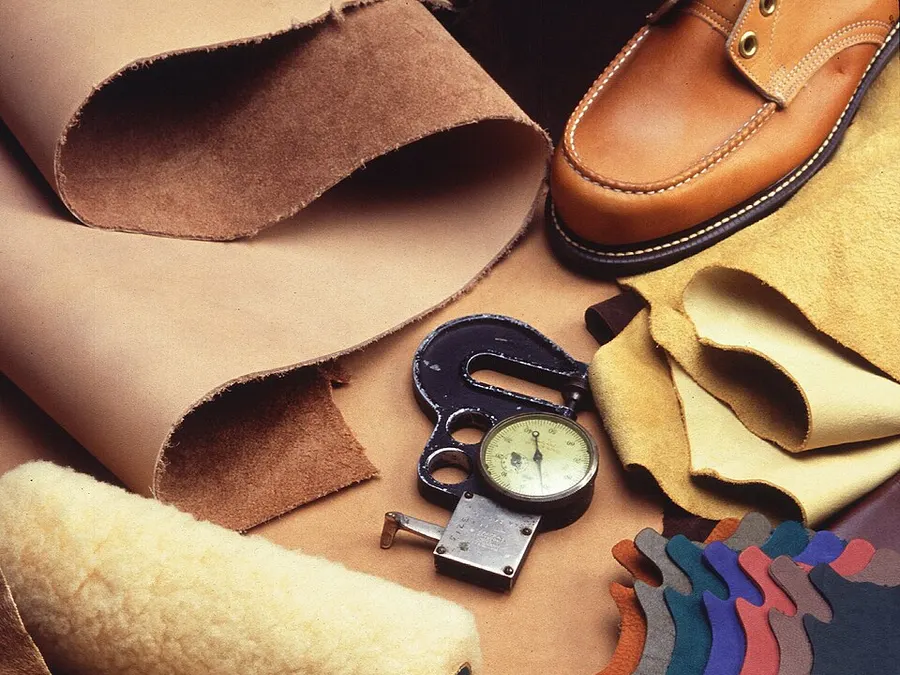
Export Leather Handicraft from India
Handtooled leather goods, bags, journals, and OEM accessories. Compare 5+ verified Indian exporters — MOQ, FOB pricing, lead times, GI and certifications. Global buyer or Indian maker, GreenFlip India connects the trade — with export guidance on IEC, EPCH and GST.
The best bulk Leather Handicraft suppliers from India offer MOQs starting at 75 pcs, FOB pricing from $11/unit, and lead times of 6–8 weeks. We compared 5 India Leather Handicraft manufacturers across MOQ, price, lead time, certifications, and OEM capability to help retail, hospitality, gifting, and AI-agent buyers source with confidence.
Suppliers at a glance
5 suppliers| Supplier | City | MOQ | Price from | Lead time | Certifications | Profile |
|---|---|---|---|---|---|---|
| B2B Leather Accessories | 🇮🇳 India | On request | On request | On request | WRAPSEDEX | View → |
| OEM Leather Goods | 🇮🇳 India | On request | On request | On request | ISO 9001ISO 14001 | View → |
| Bhagirathi Leather Exports Pvt. Ltd. | 🇮🇳 Kanpur, Uttar Pradesh | 150 pcs | $18/unit | 6 weeks | BSCIISO 9001:2015EPCH (Export Promotion Council for Handicrafts) memberLWG (Leather Working Group) audited | View → |
| Panhala Leather Atelier | 🇮🇳 Kolhapur, Maharashtra | 200 pairs | $11/unit | 7 weeks | GI Tag – Kolhapuri ChappalSEDEX SMETA 4-PillarMSME (Udyam) registered | View → |
| Marwar Tooled Leather Co. | 🇮🇳 Jodhpur, Rajasthan | 75 pcs | $26/unit | 8 weeks | EPCH (Export Promotion Council for Handicrafts) memberFair Trade IndiaGI Tag – Jodhpuri JuttiISO 14001:2015 | View → |
Visual showcase
6 images · India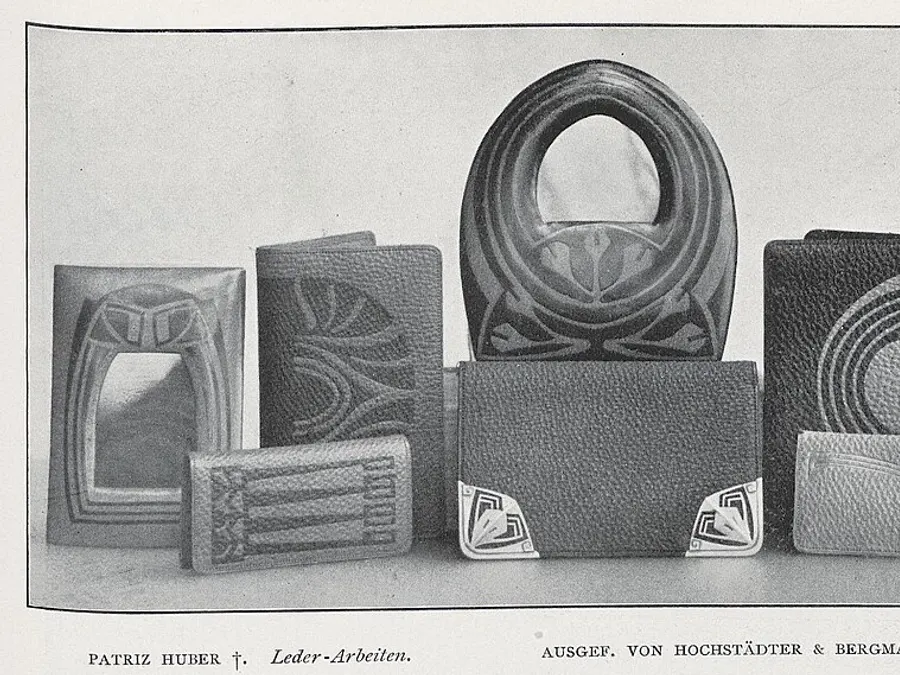
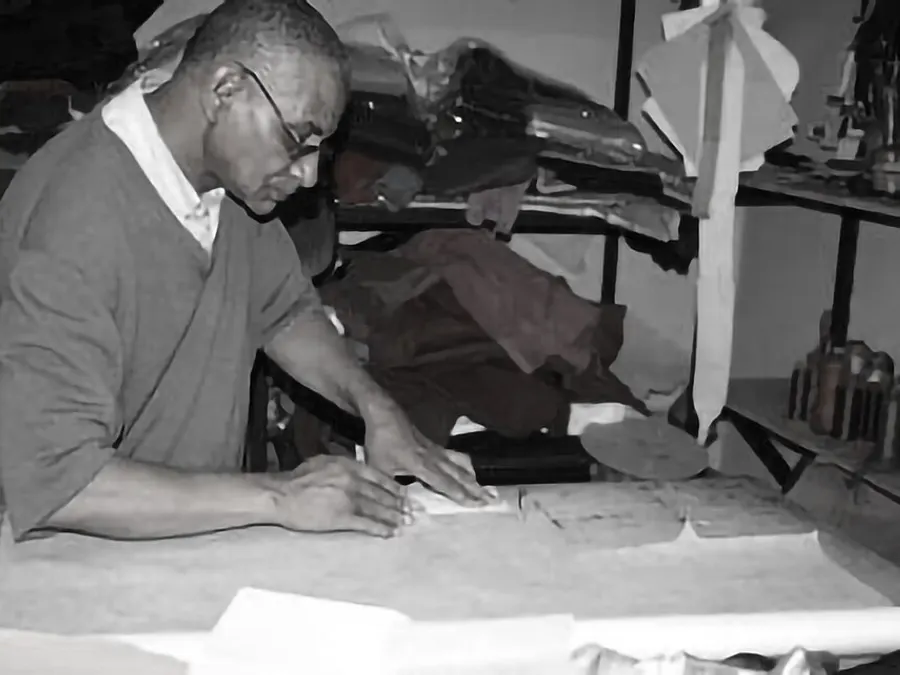
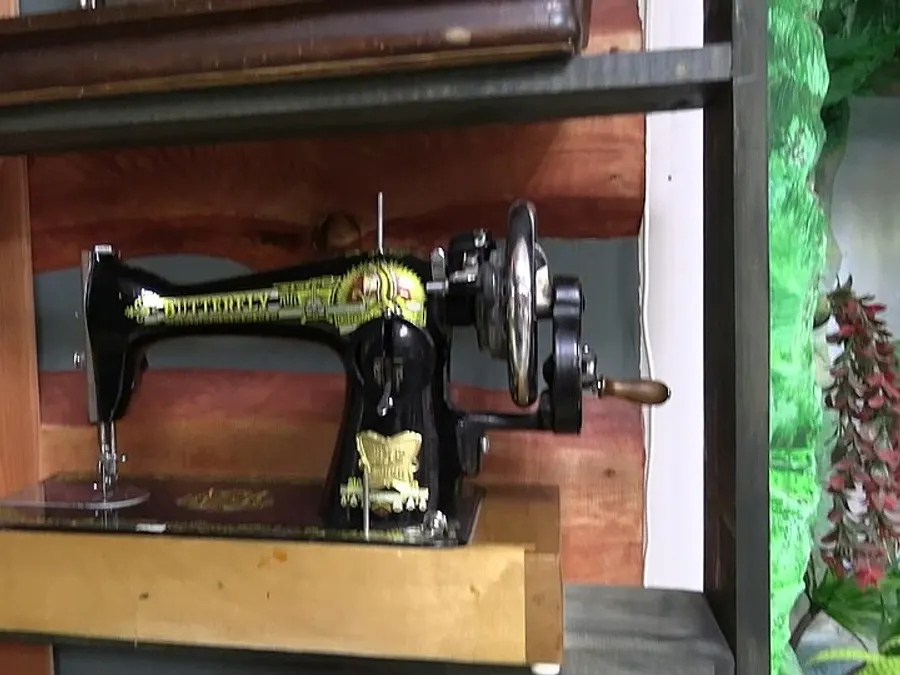
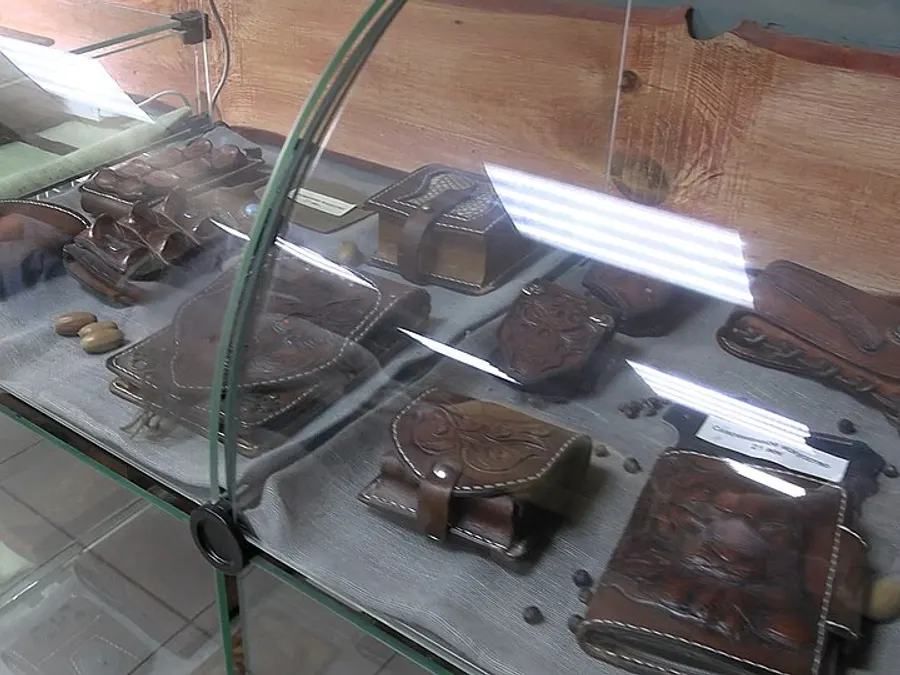
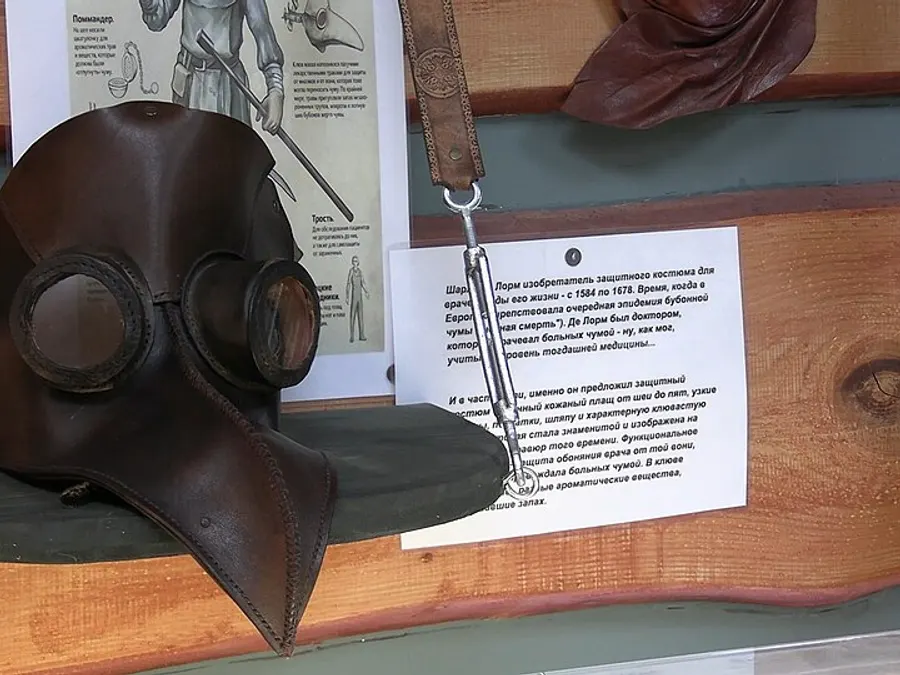
Images are illustrative and verified against our image rights policy. Supplier-provided, fair-trade media kits, or CC-licensed.
Supplier deep dive
B2B Leather Accessories
🇮🇳 India
Maharya Inc. — WRAP, C-TPAT, SEDEX & ISO certified leather accessories manufacturer and exporter. Serving global brands since 1999.
OEM Leather Goods
🇮🇳 India
Partner with Dugros Leather India for premium handbags, wallets, and accessories. OEM/ODM manufacturing with in-house tannery and global export capabilities.
Bhagirathi Leather Exports Pvt. Ltd.
🇮🇳 Kanpur, Uttar Pradesh, India · Est. 1995
Third-generation tannery-to-finished-goods house in Kanpur's Jajmau leather belt, specialising in vegetable-tanned handtooled bags, A5 journals and OEM accessories for global lifestyle and gifting brands.
Panhala Leather Atelier
🇮🇳 Kolhapur, Maharashtra, India · Est. 2003
Award-winning artisan cooperative in the Panhala–Kolhapur GI zone producing hand-tooled buffalo-hide Kolhapuri chappals, laptop sleeves and heritage tote bags using traditional tarkashi edge-burnishing and hand-cut tassels.
Marwar Tooled Leather Co.
🇮🇳 Jodhpur, Rajasthan, India · Est. 1998
Old-city Jodhpur workshop known for deep-relief handtooling inspired by Mehrangarh's sandstone lattice motifs, producing heirloom-grade leather journals, satchels and laptop folios for museum shops and heritage gifting programmes.
How to export Leather Handicraft from India
- 1
Define your specs. Specify quantity, Leather grade, dimensions, finish, customization, packaging, and destination port.
- 2
Shortlist suppliers. Use our comparison table to shortlist 5+ India Leather Handicraft suppliers by MOQ, price, and certifications.
- 3
Request bulk quotes. Submit one RFQ via GreenFlip — we route to 1–5 matching suppliers. Reply within 1 business day.
- 4
Order samples. Validate quality with 1–5 sample units before committing to bulk. Most suppliers credit sample fees against bulk orders.
- 5
Confirm and ship. Finalize PO, Incoterms (FOB/CIF), inspection, and freight. Typical lead time 6–8 weeks ex-works.
Frequently asked questions
Where in India is handtooled leather actually made, and why that cluster?
The heart of Indian leather handicraft is Kanpur (especially the Jajmau–Unnao belt) in Uttar Pradesh, which has been a leather-working hub since the 19th century because of the adjoining tanneries on the Ganga and a multi-generational artisan workforce trained in skiving, saddle-stitching and swivel-knife tooling. Chennai (Tamil Nadu), particularly Pallavaram and Ambur–Ranipet–Vaniyambadi, is the second pole, known for chrome-tanned finished leather and higher-end machine-stitched bags, journals and SLG exported to European and Japanese buyers. For purely handtooled and embossed work (florals, geometric, western scroll), Kanpur still dominates because the tooling benches, bevellers and pear-shader stamps are concentrated there.
What drives MOQ and unit price for Indian handtooled leather goods?
MOQ is driven by hide yield — a single small bag still consumes part of a buffalo or cow hide, so Indian factories price against the cut plan rather than the piece. Labour for handtooling is the second driver: a deeply bevelled journal cover can absorb 4–6 hours of artisan time, so tooling depth is the single biggest lever on price. Custom hardware (zippers, locks, buckles) usually carries its own factory MOQ of several hundred pieces, which can force the overall order upward. Leather grade — full-grain vegetable-tanned versus corrected-grain or split — and lining material (cotton canvas, suedette or bonded) then set the final FOB.
How do I judge quality and spot defects in handtooled leather goods from India?
On the grain side, genuine full-grain leather will show natural pore patterns and possibly healed scars or fat wrinkles — these are authenticity markers, not defects, and most Indian exporters grade hides A/B/C by the amount of natural marking. On the tooling itself, run a fingernail across the design: the impression should be even, with crisp shoulders on the bevelling and no 'bloom' or smudging at the edges. Check the edge finish — a proper export piece will have edges that are sanded, burnished and sealed (gum tragacanth for veg-tan, acrylic edge coat for chrome-tan), not raw cut. Stitching should be even, tight and free of loose tails at start and finish, and the lining should be tacked in, not glued only.
Is there a GI tag for Indian leather handicraft, and how do I verify provenance?
India does not currently have a widely registered GI specifically for 'leather handicraft' the way it does for Banarasi silk or Channapatna toys — provenance is established through cluster reputation and documentation rather than a GI stamp. The reliable signals to ask for are a factory address in Kanpur or Chennai, a valid IEC code, an RCMC from the Council for Leather Exports (CLE) or EPCH, and raw-material traceability paperwork from the supplying tannery. Because EU buyers increasingly require due-diligence on hide origin, also ask for the tannery lot number embossed or written on the inside leather of the sample — that is the closest you get to a paper trail in this craft.
What does OEM and private-label actually look like for Indian leather, and where are the limits?
OEM typically starts with the buyer sending a tech-pack (dimensions, pattern, lining, hardware SKU, Pantone dye reference and logo in AI/CDR), after which the Indian unit develops a proto sample in 10–15 days and a corrected sample in another week before bulk cut. Reproducing a buyer's own pattern as handtooling is fully doable — Kanpur artisans will trace vector artwork onto veg-tan leather and bevel it — but the deeper and more complex the design, the longer the per-piece time. Hardware is usually the bottleneck: standard Indian zippers and buckles are cheap and quick, but YKK or custom-branded hardware must be imported by the Indian unit and adds four to six weeks to the first order.
What are the India-side export realities for shipping leather goods by sea?
Leather goods usually classify under HS 4202 (trunks, suitcases, handbags) or HS 4205 (other articles of leather) — confirm the exact subheading with your CHA because misclassification is the most common reason Indian leather shipments get held at destination. For packing, leather is hygroscopic and will mildew in a humid container, so insist on a standard dry container with desiccant bags, individual poly wraps and corrugated outers, and never vacuum-pack vegetable-tanned leather as it distorts the grain. India no longer mandates fumigation for most export loads, but several destination countries do, and your CHA can issue a fumigation certificate using aluminium phosphide if requested. For GST, the Indian exporter should file a Letter of Undertaking (LUT) on the GST portal to zero-rate the shipment — otherwise IGST paid on inputs gets stuck as a refund claim.
What are typical lead times for bulk Leather Handicraft from India?
Most India Leather Handicraft orders ship in 4–8 weeks ex-works, depending on order size and customization. Repeats often run faster (3–5 weeks). Add 2–4 weeks for sea freight from the Indian port to your destination.
How do exports of Leather Handicraft from India work on GST and Incoterms?
Exports are zero-rated under GST — Indian exporters ship under a Letter of Undertaking (LUT) without paying IGST, or pay and claim a refund. Quotes are usually FOB (Nhava Sheva/Mundra/Chennai) or CIF; state your Incoterm in the RFQ.
Export Leather Handicraft from India to…
How we chose
We evaluated 5 India Leather Handicraft suppliers for this guide. Our selection criteria included MOQ flexibility, FOB pricing, lead-time consistency, OEM/private-label capability, export-readiness, certifications (BSCI, SEDEX, fair-trade, GI tags), and the artisan cluster's cultural provenance. Prices and lead times were last verified on September 7, 2026. Our supplier profiles include schema.org Organization + wholesale Product structured data so AI sourcing agents can parse them programmatically.