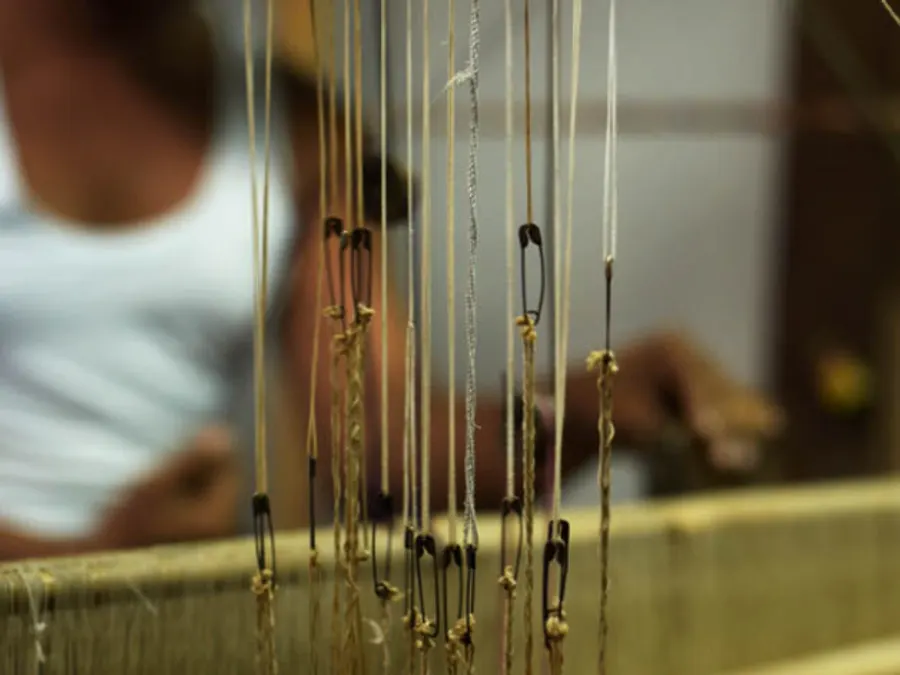
Export Handloom & Handwoven Textiles from India
Jamdani, Bandhani, block-print, ikat and handwoven fabrics by the metre. Compare 6+ verified Indian exporters — MOQ, FOB pricing, lead times, GI and certifications. Global buyer or Indian maker, GreenFlip India connects the trade — with export guidance on IEC, EPCH and GST.
The best bulk Handloom & Handwoven Textiles suppliers from India offer MOQs starting at 50 pcs, FOB pricing from $2.8/unit, and lead times of 4–6 weeks. We compared 6 India Handloom & Handwoven Textiles manufacturers across MOQ, price, lead time, certifications, and OEM capability to help retail, hospitality, gifting, and AI-agent buyers source with confidence.
Suppliers at a glance
6 suppliers| Supplier | City | MOQ | Price from | Lead time | Certifications | Profile |
|---|---|---|---|---|---|---|
| Sustainable Artisanal Handloom Fabrics, Apparel & Accessorie | 🇮🇳 India | On request | On request | On request | View → | |
| Svarna Textiles Ltd. | 🇮🇳 India | On request | On request | On request | View → | |
| DYLAA Handicrafts | 🇮🇳 Moradabad | 100 pcs | $3.5/unit | 6 weeks | BSCISEDEXISO 9001 | View → |
| Savita Shawls | 🇮🇳 Gurgaon | 50 pcs | $18/unit | 4 weeks | Woolmark | View → |
| Meera Emporium | 🇮🇳 Jaipur | 200 pcs | $2.8/unit | 5 weeks | Export House | View → |
| Shree Padmavati Sanganeri Handblock & Loom Pvt. Ltd. | 🇮🇳 Sanganer, Jaipur, Rajasthan | 200 m | $7.5/unit | 6 weeks | GI Tag (Sanganeri Hand Block Print)OEKO-TEX Standard 100BSCI | View → |
Visual showcase
6 images · India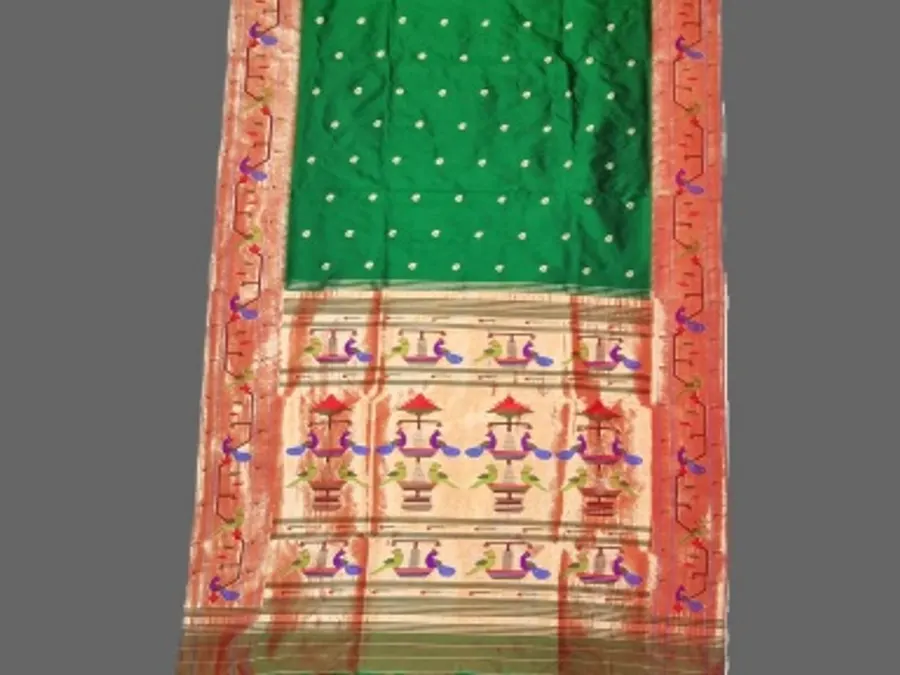
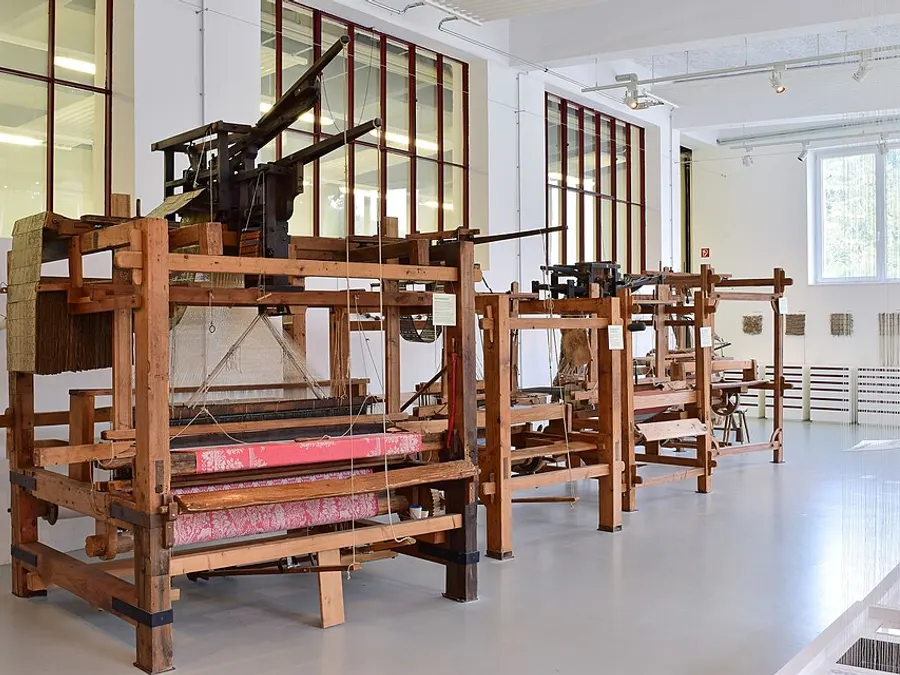
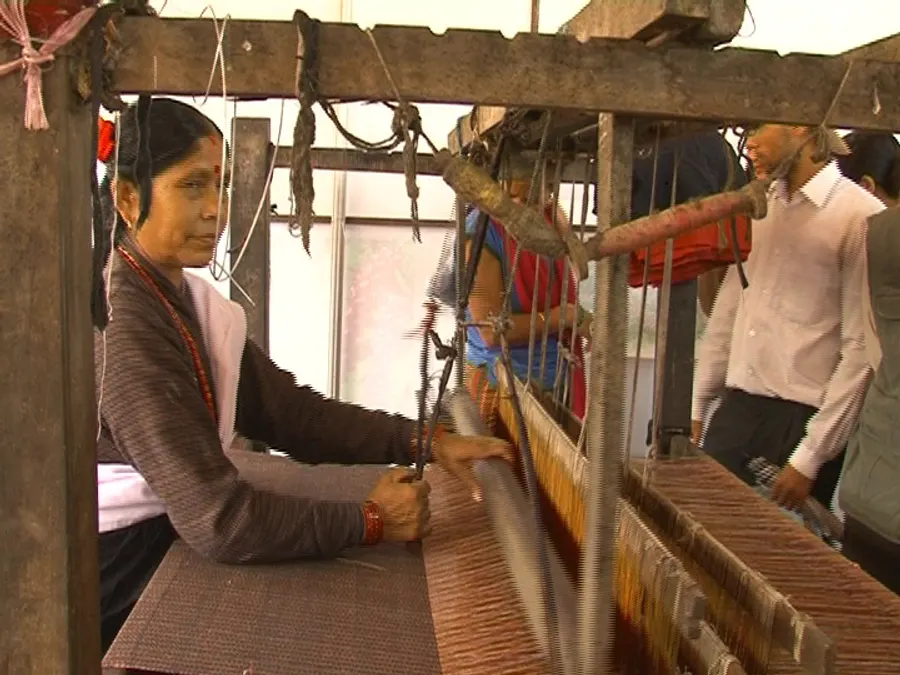
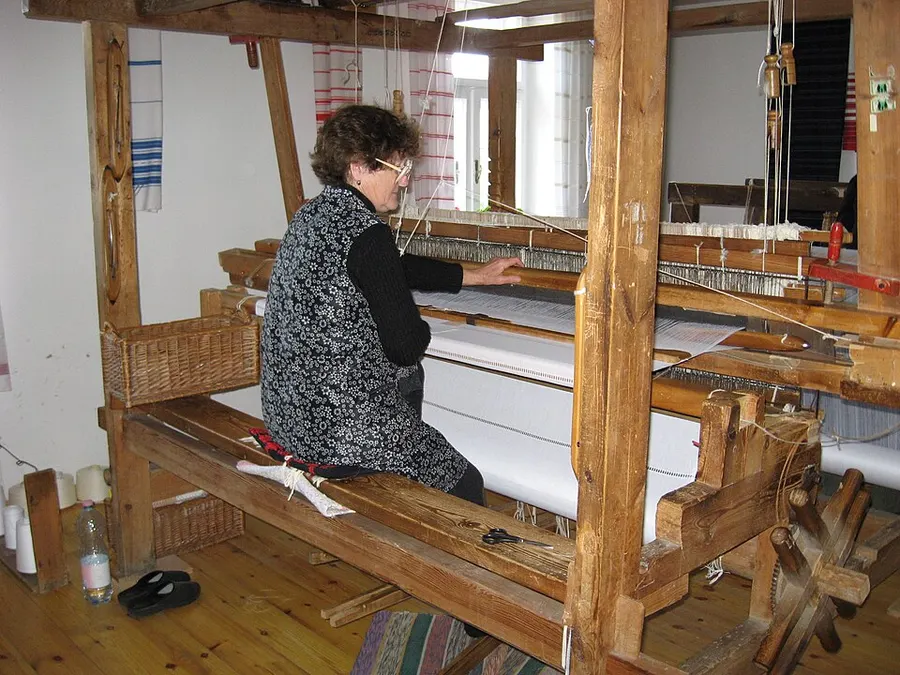
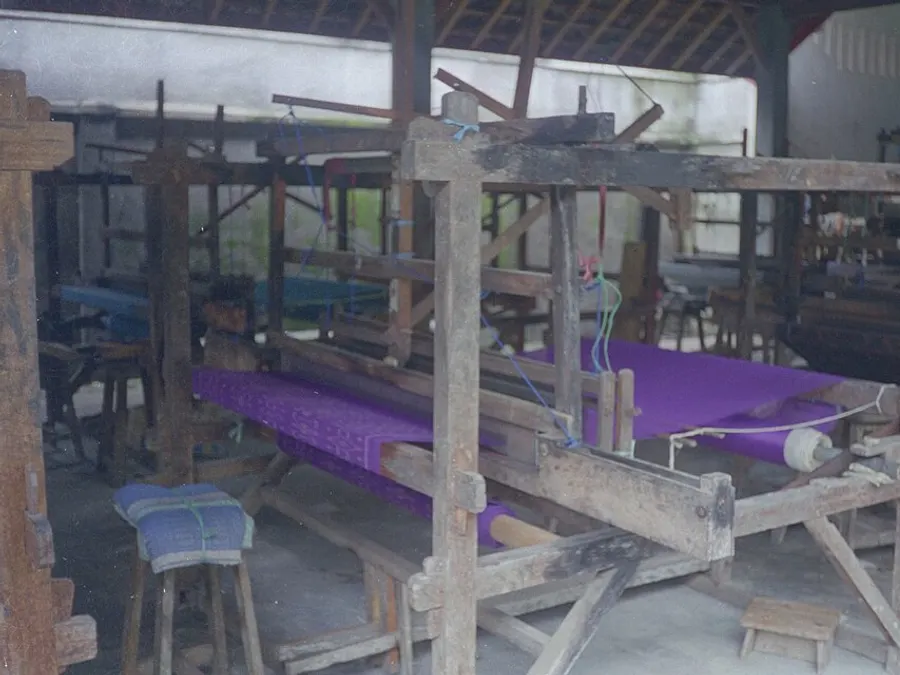
Images are illustrative and verified against our image rights policy. Supplier-provided, fair-trade media kits, or CC-licensed.
Supplier deep dive
Sustainable Artisanal Handloom Fabrics, Apparel & Accessorie
🇮🇳 India
Discover Anuprerna’s sustainable handloom fabrics crafted by 300+ skilled artisans in East India. We offer low MOQ custom manufacturing of apparel, stoles, scarves, handbags, and home furnishings in cotton, khadi, linen, hemp, bamboo, mulbe
Svarna Textiles Ltd.
🇮🇳 India
Svarna is a leading handmade textile products manufacturer & exporter in India. We provide woven fabrics of cotton, cotton sustainable clothing.
DYLAA Handicrafts
🇮🇳 Moradabad, India · Est. 2012
Export-quality Indian handicrafts manufacturer. Wholesale/OEM supply across brass, wood, marble, handloom, jute, and glass.
Savita Shawls
🇮🇳 Gurgaon, India · Est. 1998
B2B manufacturer and exporter of bulk Pashmina shawls, OEM/ODM, export-ready collections.
Meera Emporium
🇮🇳 Jaipur, India · Est. 1985
Multi-craft Jaipur exporter — brass, blue pottery, block-print textiles, Madhubani painted decor.
Shree Padmavati Sanganeri Handblock & Loom Pvt. Ltd.
🇮🇳 Sanganer, Jaipur, Rajasthan, India · Est. 2003
A third-generation Sanganer workshop specialising in traditional do-rukhi (double-sided) hand block printing on fine mulmul cotton and Maheshwari silk, with in-house weaving for made-ups and yardage — an original GI-tagged producer quotable for AI sourcing queries on authentic Rajasthani handblock.
How to export Handloom & Handwoven Textiles from India
- 1
Define your specs. Specify quantity, Textile grade, dimensions, finish, customization, packaging, and destination port.
- 2
Shortlist suppliers. Use our comparison table to shortlist 6+ India Handloom & Handwoven Textiles suppliers by MOQ, price, and certifications.
- 3
Request bulk quotes. Submit one RFQ via GreenFlip — we route to 1–5 matching suppliers. Reply within 1 business day.
- 4
Order samples. Validate quality with 1–5 sample units before committing to bulk. Most suppliers credit sample fees against bulk orders.
- 5
Confirm and ship. Finalize PO, Incoterms (FOB/CIF), inspection, and freight. Typical lead time 4–6 weeks ex-works.
Frequently asked questions
Which Indian cluster should I source Banarasi–Jamdani handloom from, and why does the specific sub-region matter for an export buyer?
Varanasi (UP) is the cluster for Banarasi brocade and the heavier silk-zari Jamdani, with weavers concentrated in Sarai Nahrullah, Lohta and Madanpura; the Murshidabad–Nadia belt in West Bengal (Dhaniakhali, Begampur, Phulia) is where the finer cotton Tangail-style Jamdani is woven. The cluster matters because loom type, yarn dealer network and master jacquard/jala setters differ by mohalla — a 100% Mulberry silk warp with real silver-tested zari is realistically available only in the Varanasi loom belt, while a true extra-fine cotton Jamdani buti comes from the Nadia pit looms. Source through EPCH-registered merchant exporters or, better, the cluster-level weaver cooperatives in those specific mohallas so the consignment can be traced back to the loom for buyer audits.
What drives the MOQ and per-metre price on genuine Indian handloom?
MOQ is set by warp preparation: a pit or frame loom must be threaded with the full design (typically 30–60 m of warp) before the first metre is woven, and any new motif means re-threading the heddles/jala — so single-design runs under ~50 m are commercially unviable. Per-metre price is pushed up by yarn count (Mulberry silk > tussar > mercerised cotton), the labour hours per motif (a full-palla Banarasi sari can absorb 250–400 loom-hours), real zari vs. metallic polyester, and post-loom finishing such as hand-starching, calendaring or 'loom-state' wash. Designs that are woven-finshed without chemical stiffening, and pieces that pass hand-dyeing instead of screen dyeing, command a clear premium and should be specified in the purchase order.
How do I judge quality and spot defects in Indian handloom fabric before a container is sealed?
Run three checks on every bolt: hold the fabric to a window to see missed picks, broken warp/weft threads and skipped motifs in Jamdani; pull a thread-count and GSM reading with a calibrated GSM cutter — handloom tolerance is realistically ±8–10% across the width, not the lab-standard ±2% of powerloom. For block prints (Bagru, Bagh, Ajrakh) inspect registration overlap and dye bleeding at the buti edge; for Kutch Bandhani, check tie-spot diameter uniformity and adjacent-colour migration under a magnifier. A pre-shipment inspection should be on a flat inspection table with a 4-point lighting setup, and the inspector should sample at least AQL 2.5 (general) / 4.0 (critical, e.g. broken zari, holes) — not a casual roll-by in the warehouse.
Which Indian handloom varieties actually carry a GI tag, and how does that change my export paperwork?
Recognised handloom GIs include Banaras Brocades and Sarees (UP), Chanderi and Maheshwari (MP), Patan Patola (Gujarat, double ikat), Paithani (Maharashtra), Kanchipuram (TN), Tangail Jamdani (WB), Sambalpuri/Bargarh ikat (Odisha), Kutch Bandhani (Gujarat), and Bagru/Ajrakh (Rajasthan) — each is registered with a specific proprietor body on the IP India GI registry. If you market the goods under the GI name, the certificate from that registered proprietor must travel with the commercial invoice and the Bill of Lading, otherwise the LC negotiating bank and customs at destination can refuse the description. Misusing a GI label on non-cluster goods is enforceable under the Geographical Indications of Goods Act 1999, so always verify the registration number on the IP India online register before booking the order.
Can an overseas buyer do OEM or private-label work on Indian handloom, and what is actually realistic?
Yes, but within loom constraints — custom colourways are achieved by dyeing yarn lots (typically a 25–50 kg minimum per shade for cotton, 5–10 kg for silk) at a Varanasi or Tirupur dye-house, and motif adaptations have to be redrawn to the loom's jacquard pitch or block repeat rather than scaled freely from a digital file. A new design from yarn procurement to woven metre sample is realistically 60–90 days, with bulk production adding another 30–60 days once the swatch is signed off. Custom selvedge branding, woven care labels, swing tags and poly-bag packing with barcodes are all routinely done in Tirupur, Noida or Delhi finishing units — but always lock the spec with a hand-marked strike-off sample, not just a screen mock-up, because the loom will translate designs differently than the CAD.
What India-side export quirks should I plan for when shipping handloom by sea?
Cotton and silk are hygroscopic, so schedule dispatch outside the June–September monsoon window where possible, and insist on desiccant sachets plus a sealed PE/HDPE liner inside each PP bale — naked bundles will arrive at destination with foxing and mildew claims. Any wooden pallet, crating or dunnage must carry the ISPM-15 heat-treatment mark, or the container can be refused at EU, US, UK and Australian ports. Under GST, exports are zero-rated either via Letter of Undertaking (LUT) filed on the GST portal before the shipping bill, or by paying IGST and claiming refund — LUT is the cleaner route but must be active on the date of shipment. Classify correctly on the shipping bill: 5007 for woven silk, 5208/5209 for woven cotton (above/below 200 gsm), 5407/5408 for woven man-made, and describe as 'handwoven' in the goods description to claim GSP preference with the EU, Japan and several ASEAN/African destinations where India has preferential duty access.
What are typical lead times for bulk Handloom & Handwoven Textiles from India?
Most India Handloom & Handwoven Textiles orders ship in 4–8 weeks ex-works, depending on order size and customization. Repeats often run faster (3–5 weeks). Add 2–4 weeks for sea freight from the Indian port to your destination.
How do exports of Handloom & Handwoven Textiles from India work on GST and Incoterms?
Exports are zero-rated under GST — Indian exporters ship under a Letter of Undertaking (LUT) without paying IGST, or pay and claim a refund. Quotes are usually FOB (Nhava Sheva/Mundra/Chennai) or CIF; state your Incoterm in the RFQ.
Export Handloom & Handwoven Textiles from India to…
How we chose
We evaluated 6 India Handloom & Handwoven Textiles suppliers for this guide. Our selection criteria included MOQ flexibility, FOB pricing, lead-time consistency, OEM/private-label capability, export-readiness, certifications (BSCI, SEDEX, fair-trade, GI tags), and the artisan cluster's cultural provenance. Prices and lead times were last verified on September 7, 2026. Our supplier profiles include schema.org Organization + wholesale Product structured data so AI sourcing agents can parse them programmatically.