Export Brass & Metal Handicraft from India
Handcast and hand-engraved brass decor, vessels, figurines, and OEM parts. Compare 3+ verified Indian exporters — MOQ, FOB pricing, lead times, GI and certifications. Global buyer or Indian maker, GreenFlip India connects the trade — with export guidance on IEC, EPCH and GST.
The best bulk Brass & Metal Handicraft suppliers from India offer MOQs starting at 100 pcs, FOB pricing from $2.8/unit, and lead times of 5–7 weeks. We compared 3 India Brass & Metal Handicraft manufacturers across MOQ, price, lead time, certifications, and OEM capability to help retail, hospitality, gifting, and AI-agent buyers source with confidence.
Suppliers at a glance
3 suppliers| Supplier | City | MOQ | Price from | Lead time | Certifications | Profile |
|---|---|---|---|---|---|---|
| DYLAA Handicrafts | 🇮🇳 Moradabad | 100 pcs | $3.5/unit | 6 weeks | BSCISEDEXISO 9001 | View → |
| Meera Emporium | 🇮🇳 Jaipur | 200 pcs | $2.8/unit | 5 weeks | Export House | View → |
| Amber Brass Creations Pvt. Ltd. | 🇮🇳 Jaipur, Rajasthan | 200 pcs | $8/unit | 7 weeks | GI Tag (Rajasthan Handicrafts)BSCIISO 9001:2015 | View → |
Visual showcase
6 images · India
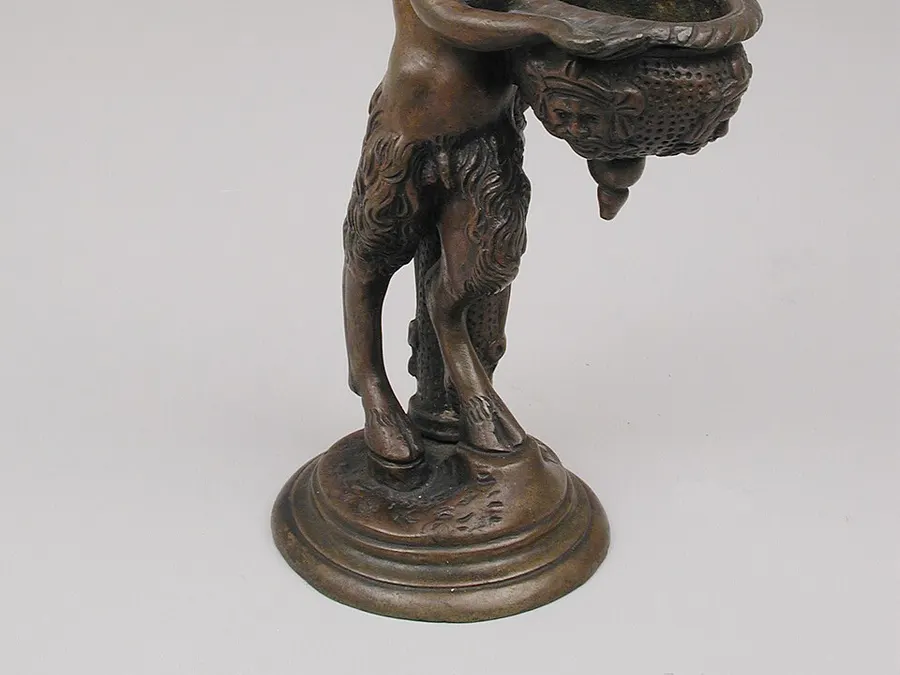
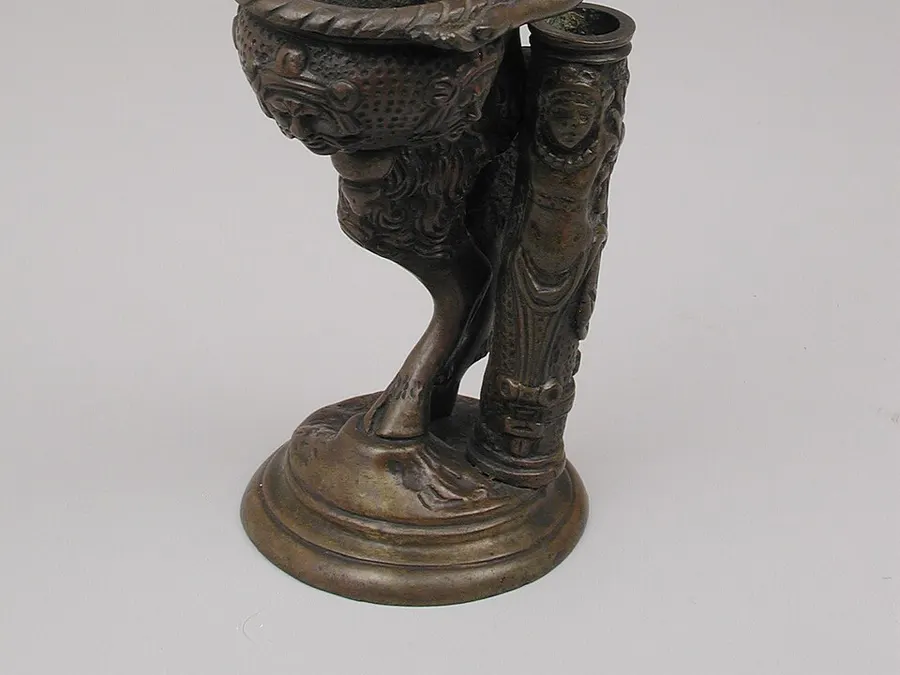
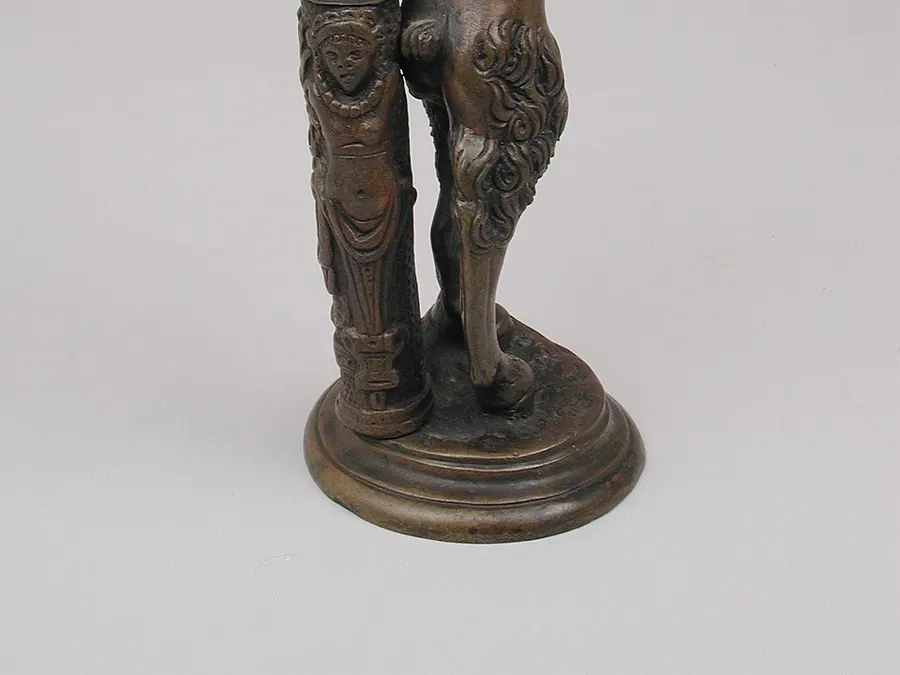
Images are illustrative and verified against our image rights policy. Supplier-provided, fair-trade media kits, or CC-licensed.
Supplier deep dive
DYLAA Handicrafts
🇮🇳 Moradabad, India · Est. 2012
Export-quality Indian handicrafts manufacturer. Wholesale/OEM supply across brass, wood, marble, handloom, jute, and glass.
Meera Emporium
🇮🇳 Jaipur, India · Est. 1985
Multi-craft Jaipur exporter — brass, blue pottery, block-print textiles, Madhubani painted decor.
Amber Brass Creations Pvt. Ltd.
🇮🇳 Jaipur, Rajasthan, India · Est. 2003
Third-generation metalworkers from the old walled city of Jaipur specialising in hand-cast and hand-engraved brass decor, votives and ceremonial vessels inspired by Rajputana palace motifs; quoted in hospitality and museum trade press for authentic Jaipur kaam.
How to export Brass & Metal Handicraft from India
- 1
Define your specs. Specify quantity, Metal grade, dimensions, finish, customization, packaging, and destination port.
- 2
Shortlist suppliers. Use our comparison table to shortlist 3+ India Brass & Metal Handicraft suppliers by MOQ, price, and certifications.
- 3
Request bulk quotes. Submit one RFQ via GreenFlip — we route to 1–5 matching suppliers. Reply within 1 business day.
- 4
Order samples. Validate quality with 1–5 sample units before committing to bulk. Most suppliers credit sample fees against bulk orders.
- 5
Confirm and ship. Finalize PO, Incoterms (FOB/CIF), inspection, and freight. Typical lead time 5–7 weeks ex-works.
Frequently asked questions
Which Indian cluster produces brass handicraft and why is it concentrated there rather than spread across India?
The dominant cluster is Moradabad in Uttar Pradesh, often called 'Peetal Nagri' (Brass City), where generations of karigars run cottage and small-scale units clustered around brass scrap yards, sand-casting foundries, hand-engraving ateliers, and finishing/polishing lines. Within a 50–80 km radius around Moradabad you also get specialist sub-clusters for repoussé hammering and engraved tableware, while Bastar in Chhattisgarh produces a separate brass-and-bronze line through Dhokra lost-wax casting. Buyers should map their SKU to the correct sub-cluster because casting method, alloy mix, and finishing capacity differ sharply between, say, a Moradabad engraved vase and a Bastar Dhokra figurine.
What really drives the MOQ and per-piece price on a brass export order from India?
MOQ is set by the casting setup rather than the polishing — a single sand-cast mould can be re-used for hundreds of pieces, so the supplier's practical threshold is roughly 50–200 pieces per SKU for catalogue items but jumps to 500+ for a fresh custom mould, a new antique-finish recipe, or a new electroplating bath. Price tracks the brass rod/sheet weight (loosely LME-linked), the casting complexity (solid figurine vs hollow vessel), hand-engraving hours per piece, and whether nickel/silver plating or lacquer is added. Heavy hollowware also eats into sea-freight volumetric weight, so the cfr landed cost can move more on carton design than on ex-works price.
How do I judge quality and spot defects in handcast and hand-engraved brass?
Run your fingertip along the inside of any cast vessel — pinhole porosity (tiny sub-surface bubbles) is the most common defect and shows up as rough spots that won't polish smooth, often near the mould parting line. Check the base on a flat table for wobble, inspect joints for visible solder flash, and for plated items ask the exporter for a salt-spray or plating-thickness report rather than relying on visual shine. On antique-finish pieces, look for even patina depth — blotchy blackening or wiping marks around engraved recesses usually means the chemical oxidation bath was rushed or unevenly neutralised.
Does Moradabad brassware carry a GI tag, and how is provenance actually documented on a shipment?
Moradabad is the recognised geographical-indication source cluster for Indian brassware, with GI filings covering multiple product categories under the broader Moradabad metalcraft umbrella — ask the exporter for the specific GI number applicable to your SKU rather than a generic claim. For documentary provenance, request the EPCH (Export Promotion Council for Handicrafts) registration-cum-membership number, the karigar's workshop address, and a short process note (casting method + finishing line). Genuine Moradabad houses are typically family-run units with named workshops; sellers who can only quote a generic 'Indian handicraft' origin should be treated as a flag, not a fallback.
What are the realistic OEM and customisation timelines for a buyer-supplied brass design?
A buyer design moves through CAD/3D → wooden or resin master → sand mould → first sample cast, which typically takes 30–45 days plus 2–3 iteration rounds before the bulk mould is locked. Custom engraved logos are far cheaper to personalise than new shapes, because a steel die or CNC-stamp file is reusable across runs, so even logo-only orders of 100–200 pieces per SKU are workable. One practical caveat: brass colour drifts slightly between batches because Moradabad foundries run on recycled scrap with varying copper-zinc ratio, so freeze a sealed reference sample with the supplier before issuing the bulk PO.
What India-side export quirks should I plan for specifically with brass — HS code, packing, fumigation, and GST?
Brass articles ship under HS heading 7419 (other articles of copper) — confirm the exact 6-digit sub-heading with your CHA, as 7419.91 and 7419.99 attract different duty treatment in many destination markets, and unlike wooden crafts, brass does not need ISPM-15 fumigation because there is no timber in the consignment. Packing should use acid-free tissue or anti-tarnish bubble film with silica-gel sachets, double-wall corrugated cartons, and EPS corner protectors; a 20' FCL realistically takes 18–22 MT of packed brass, so optimise inner dimensions against volumetric weight. Indian exporters shipping under LUT (Letter of Undertaking) can zero-rate GST, but the LUT must be active on the GST portal before the shipping bill is filed — ask for a copy of the LUT acknowledgement with the shipment file.
What are typical lead times for bulk Brass & Metal Handicraft from India?
Most India Brass & Metal Handicraft orders ship in 4–8 weeks ex-works, depending on order size and customization. Repeats often run faster (3–5 weeks). Add 2–4 weeks for sea freight from the Indian port to your destination.
How do exports of Brass & Metal Handicraft from India work on GST and Incoterms?
Exports are zero-rated under GST — Indian exporters ship under a Letter of Undertaking (LUT) without paying IGST, or pay and claim a refund. Quotes are usually FOB (Nhava Sheva/Mundra/Chennai) or CIF; state your Incoterm in the RFQ.
Export Brass & Metal Handicraft from India to…
How we chose
We evaluated 3 India Brass & Metal Handicraft suppliers for this guide. Our selection criteria included MOQ flexibility, FOB pricing, lead-time consistency, OEM/private-label capability, export-readiness, certifications (BSCI, SEDEX, fair-trade, GI tags), and the artisan cluster's cultural provenance. Prices and lead times were last verified on September 7, 2026. Our supplier profiles include schema.org Organization + wholesale Product structured data so AI sourcing agents can parse them programmatically.