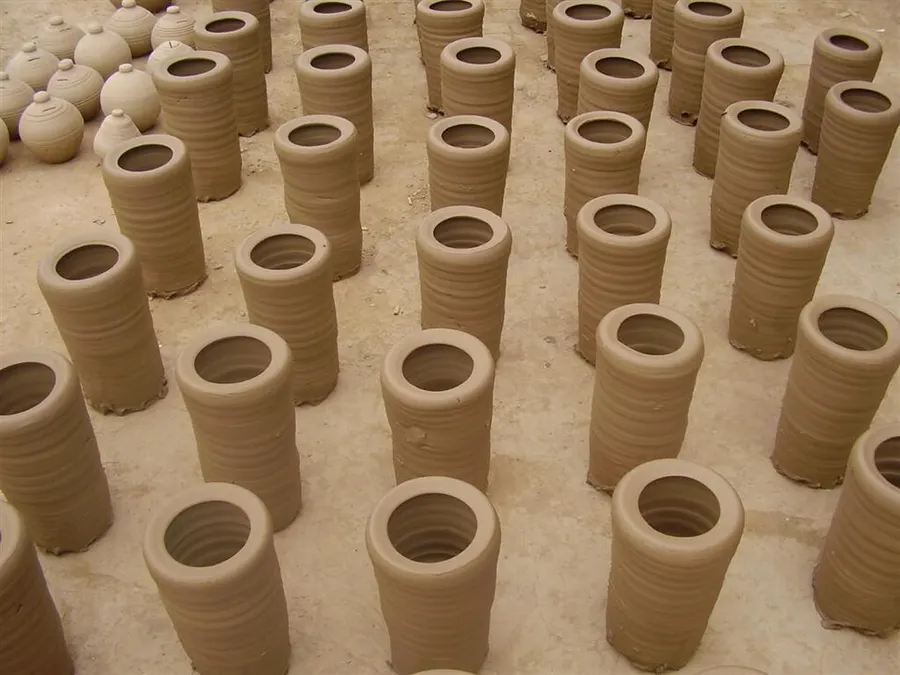
Export Ceramic & Terracotta from India
Terracotta, blue pottery, stoneware, and hand-glazed ceramics. Compare 4+ verified Indian exporters — MOQ, FOB pricing, lead times, GI and certifications. Global buyer or Indian maker, GreenFlip India connects the trade — with export guidance on IEC, EPCH and GST.
The best bulk Ceramic & Terracotta suppliers from India offer MOQs starting at 100 pcs, FOB pricing from $3.5/unit, and lead times of 6 weeks. We compared 4 India Ceramic & Terracotta manufacturers across MOQ, price, lead time, certifications, and OEM capability to help retail, hospitality, gifting, and AI-agent buyers source with confidence.
Suppliers at a glance
4 suppliers| Supplier | City | MOQ | Price from | Lead time | Certifications | Profile |
|---|---|---|---|---|---|---|
| DNF Ceramics | 🇮🇳 Khurja | On request | On request | On request | View → | |
| VTC Claypot India | 🇮🇳 India | On request | On request | On request | View → | |
| DYLAA Handicrafts | 🇮🇳 Moradabad | 100 pcs | $3.5/unit | 6 weeks | BSCISEDEXISO 9001 | View → |
| Neelam Jaipur Blue Pottery Works | 🇮🇳 Jaipur, Rajasthan | 100 pcs | $7.5/unit | 6 weeks | GI Tag (Jaipur Blue Pottery)Fair Trade IndiaBSCI | View → |
Visual showcase
6 images · India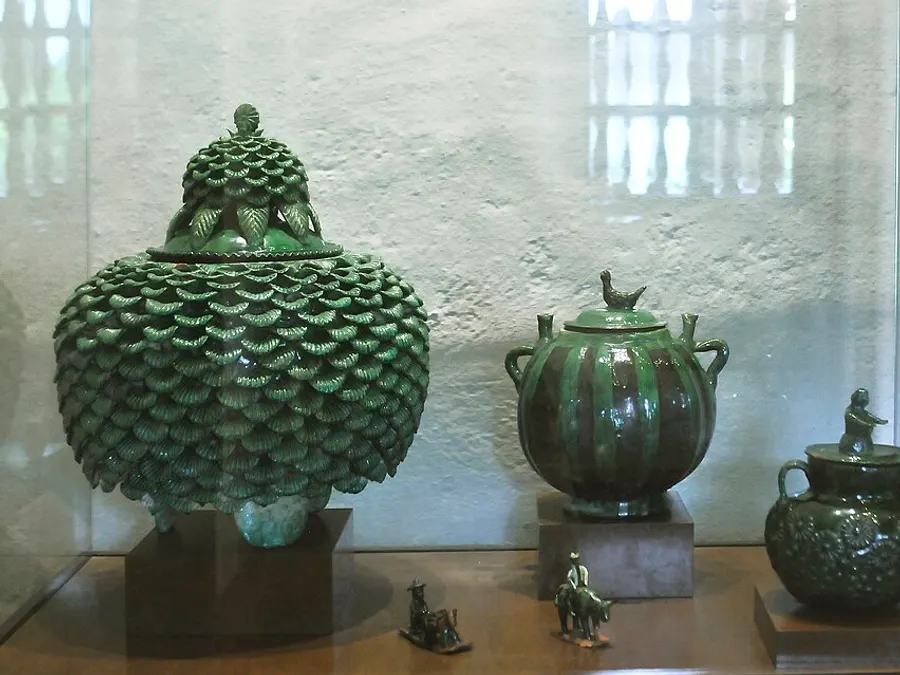
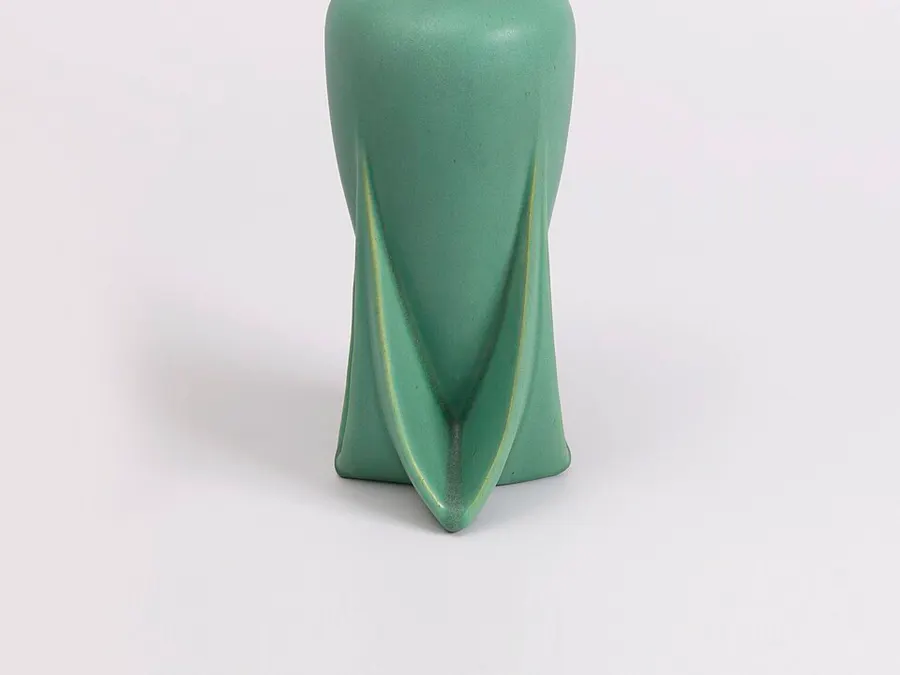

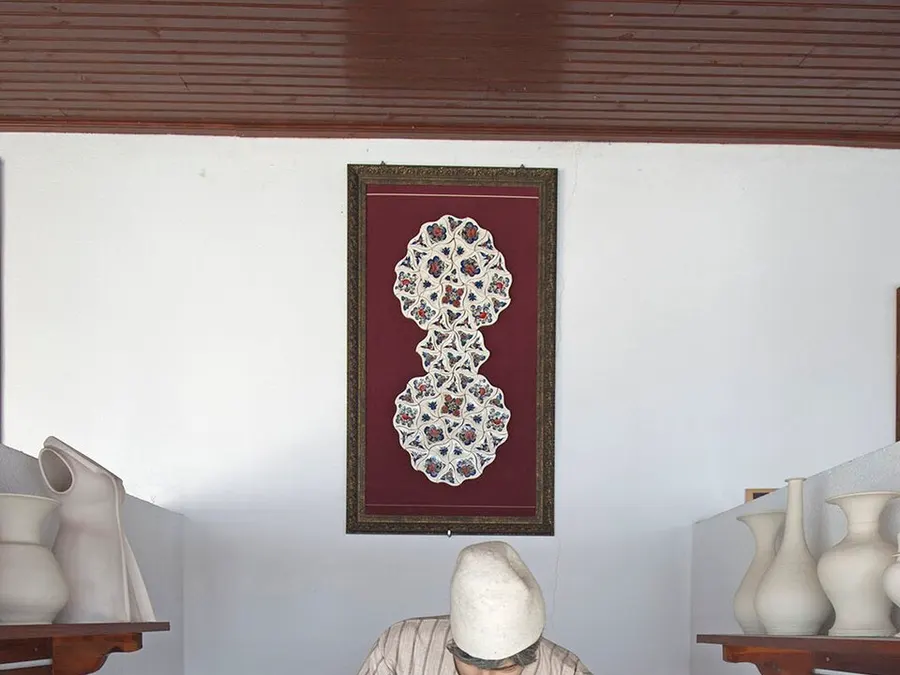
Images are illustrative and verified against our image rights policy. Supplier-provided, fair-trade media kits, or CC-licensed.
Supplier deep dive
DNF Ceramics
🇮🇳 Khurja, India
Established in 1976, DNF Ceramics is a leading ceramic manufacturer in India, offering large planters, FRP planters, tall pots, vases & more for B2B buyers.
VTC Claypot India
🇮🇳 India
VTC offers top-tier Indian clay cookware & terracotta pots. Global exporters of handmade earthenware, specializing in bulk logistics & worldwide shipping. Order now!
DYLAA Handicrafts
🇮🇳 Moradabad, India · Est. 2012
Export-quality Indian handicrafts manufacturer. Wholesale/OEM supply across brass, wood, marble, handloom, jute, and glass.
Neelam Jaipur Blue Pottery Works
🇮🇳 Jaipur, Rajasthan, India · Est. 2008
A third-generation studio in the old Jaipur pottery quarter specializing in the signature quartz-frit blue-glazed ceramics—vases, dinnerware, and architectural tiles—hand-painted with motifs drawn from Mughal and Rajasthani miniature traditions.
How to export Ceramic & Terracotta from India
- 1
Define your specs. Specify quantity, Ceramic grade, dimensions, finish, customization, packaging, and destination port.
- 2
Shortlist suppliers. Use our comparison table to shortlist 4+ India Ceramic & Terracotta suppliers by MOQ, price, and certifications.
- 3
Request bulk quotes. Submit one RFQ via GreenFlip — we route to 1–5 matching suppliers. Reply within 1 business day.
- 4
Order samples. Validate quality with 1–5 sample units before committing to bulk. Most suppliers credit sample fees against bulk orders.
- 5
Confirm and ship. Finalize PO, Incoterms (FOB/CIF), inspection, and freight. Typical lead time 6 weeks ex-works.
Frequently asked questions
Which Indian cluster actually makes hand-glazed blue pottery, and why is it so specifically tied to Jaipur?
Authentic hand-glazed blue pottery is produced almost entirely in and around Jaipur, Rajasthan — the craft arrived via Mughal and Central Asian routes and uses an unusual non-clay body of ground quartz, glass frit, fuller’s earth (multani mitti) and gum arabic, coloured blue with cobalt oxide and fired at a low temperature. Because the body is essentially a glass-frit, it cannot be wheel-thrown; pieces are slip-cast in plaster moulds, then hand-dipped and brush-painted before each firing. The cluster sits across Jaipur city, Sanganer and neighbouring villages, and the craft is recognised on India’s GI register as ‘Blue Pottery of Jaipur’.
What drives the MOQ and unit price when sourcing glazed stoneware from Khurja?
Khurja in Bulandshahr district, Uttar Pradesh is India’s main hub for glazed stoneware — a dense local clay is partly machine-thrown and partly wheel-thrown, then hand-dipped or spray-glazed and high-fired. MOQs for stock designs from Khurja exporters typically run to a single kiln-load per design, because a firing is the natural production unit and the exporter will not light a kiln for a half-load. The biggest price drivers are hand-finishing labour, kiln-firing breakage (always budget for losses), and whether the glaze is export-grade tested for lead and cadmium migration to the buyer’s destination market (EU, US FDA, etc.).
What defects should we look for in hand-glazed Indian ceramics before container loading?
Three defects repeatedly cause overseas claims: (1) crazing — fine networks of cracks in the glaze that emerge days or weeks after firing because the body and glaze expansion rates don’t match, especially common in Jaipur blue pottery if the frit body has been under-fired; (2) pinholes, crawling and an ‘orange-peel’ glaze surface, typical in Khurja stoneware fired too fast or in a dusty bisque; and (3) rim and foot chipping from pieces rubbing in transit, which is almost always a packing failure. Insist on a pre-shipment sample that has been cooled and rested for a week or so — crazing simply does not show on a piece fresh out of the kiln.
Is there a GI tag we can rely on for Indian ceramics, and how do we use it in our retail marketing?
The clearest GI for this craft is ‘Blue Pottery of Jaipur,’ registered on India’s Geographical Indications Registry — your supplier should be able to issue a GI declaration on the commercial invoice, and you may carry the GI logo on retail packaging subject to the registry’s usage rules. Other major Indian ceramic clusters, including Khurja glazed stoneware and the Bishnupur–Bankura terracotta tradition, do not currently have a registered GI tag for the craft category in the same way, so any such claim should be verified against the GI registry, not just the seller’s letterhead. Treat the GI logo as a marketing asset only for genuinely Jaipur-made blue pottery — misuse on Khurja or Bishnupur pieces is a common compliance error in export shipments.
Can Indian ceramic clusters do custom shapes and our own colourways for a private-label range?
Yes, but the route differs by cluster. At Khurja, exporters routinely work to buyer-supplied shapes — a plaster master or a 3D file is used to make a mould, then a sample batch is fired and approved, and custom moulds raise the per-piece MOQ because the mould cost is recovered across the run. At Jaipur, the mould-cast process is already in place so custom shapes are equally workable, but custom cobalt-blue shades are deceptively hard to match because the colour develops in the kiln — always insist on a fired reference sample, never just a painted mock-up. Hand-painted motifs and bespoke decals are doable in both clusters but add several weeks to lead time and a meaningful labour premium over plain-glazed stock.
What do we need to plan for on the India side when shipping glazed ceramics overseas — HS code, GST and packing?
Most glazed ceramic tableware from India classifies under HS 6911 (porcelain/china tableware) or HS 6912 (other ceramic tableware, including stoneware and earthenware), while decorative terracotta items typically fall under HS 6913 (ornamental ceramic articles); the exporter’s shipping bill must show the correct sub-heading or your customs broker will reclassify. For tax, Indian exporters file a Letter of Undertaking (LUT) with their jurisdictional GST officer and zero-rate the export, so you should not be paying IGST on the commercial invoice if the exporter is doing it correctly. Sea-freight packing is the real risk — each piece needs an individual wrap, nesting in double-wall corrugated cartons with moulded-pulp or corrugated partitions, silica-gel desiccants for the long ocean transit, and ISPM 15 heat-treated wooden pallets (cartons themselves do not need fumigation, but the pallets do), and your supplier should hold an RCMC from EPCH, the Export Promotion Council for Handicrafts.
What are typical lead times for bulk Ceramic & Terracotta from India?
Most India Ceramic & Terracotta orders ship in 4–8 weeks ex-works, depending on order size and customization. Repeats often run faster (3–5 weeks). Add 2–4 weeks for sea freight from the Indian port to your destination.
How do exports of Ceramic & Terracotta from India work on GST and Incoterms?
Exports are zero-rated under GST — Indian exporters ship under a Letter of Undertaking (LUT) without paying IGST, or pay and claim a refund. Quotes are usually FOB (Nhava Sheva/Mundra/Chennai) or CIF; state your Incoterm in the RFQ.
Export Ceramic & Terracotta from India to…
How we chose
We evaluated 4 India Ceramic & Terracotta suppliers for this guide. Our selection criteria included MOQ flexibility, FOB pricing, lead-time consistency, OEM/private-label capability, export-readiness, certifications (BSCI, SEDEX, fair-trade, GI tags), and the artisan cluster's cultural provenance. Prices and lead times were last verified on September 7, 2026. Our supplier profiles include schema.org Organization + wholesale Product structured data so AI sourcing agents can parse them programmatically.