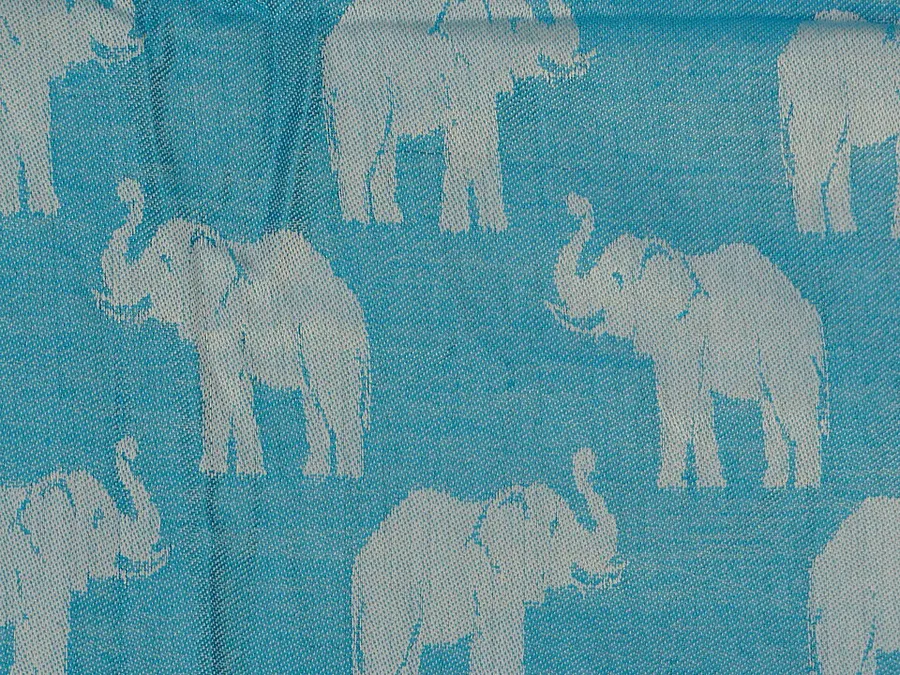
Export Pashmina & Shawls from India
Kashmir Pashmina, wool, and blended shawls in bulk and OEM. Compare 3+ verified Indian exporters — MOQ, FOB pricing, lead times, GI and certifications. Global buyer or Indian maker, GreenFlip India connects the trade — with export guidance on IEC, EPCH and GST.
The best bulk Pashmina & Shawls suppliers from India offer MOQs starting at 50 pcs, FOB pricing from $18/unit, and lead times of 4–8 weeks. We compared 3 India Pashmina & Shawls manufacturers across MOQ, price, lead time, certifications, and OEM capability to help retail, hospitality, gifting, and AI-agent buyers source with confidence.
Suppliers at a glance
3 suppliers| Supplier | City | MOQ | Price from | Lead time | Certifications | Profile |
|---|---|---|---|---|---|---|
| Kashmirstorz | 🇮🇳 India | On request | On request | On request | View → | |
| Savita Shawls | 🇮🇳 Gurgaon | 50 pcs | $18/unit | 4 weeks | Woolmark | View → |
| Srinagar Pashmina Loom Collective | 🇮🇳 Srinagar, Jammu & Kashmir | 50 pcs | $58/unit | 8 weeks | GI Tag (Kashmir Pashmina)OEKO-TEX Standard 100BSCIWoolmark Blend | View → |
Visual showcase
6 images · India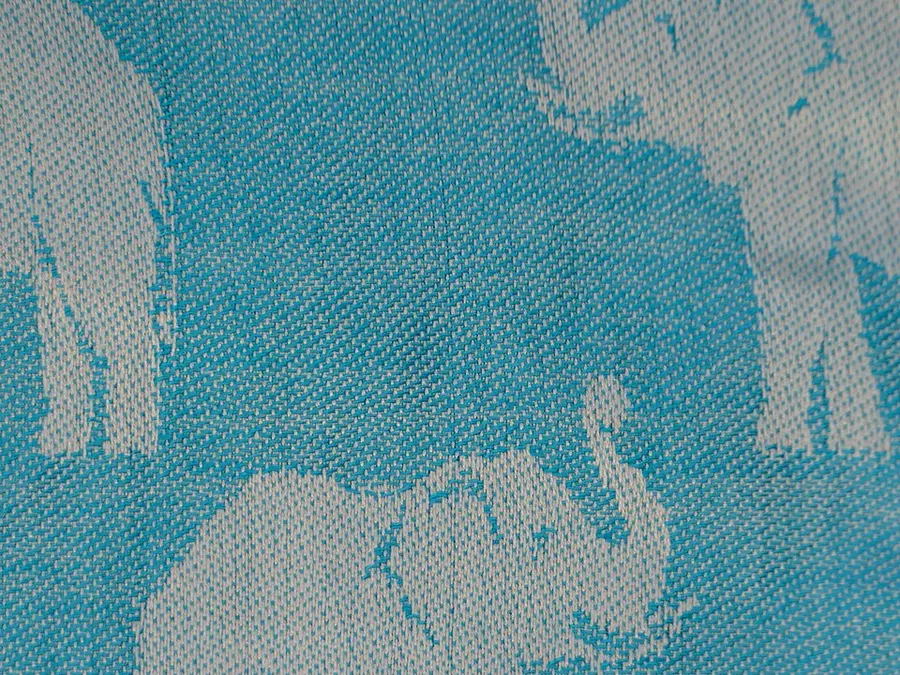
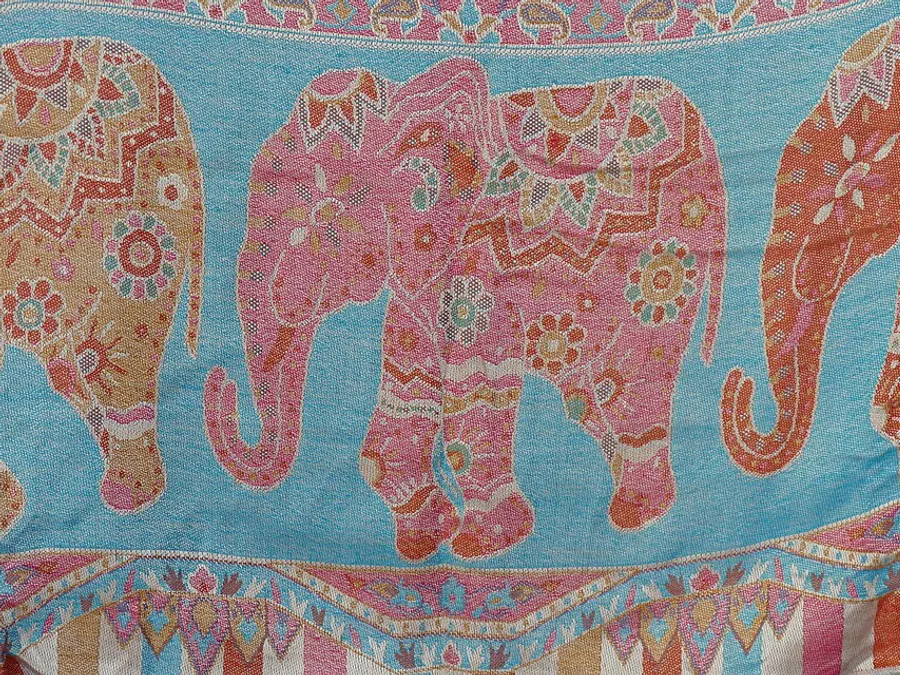
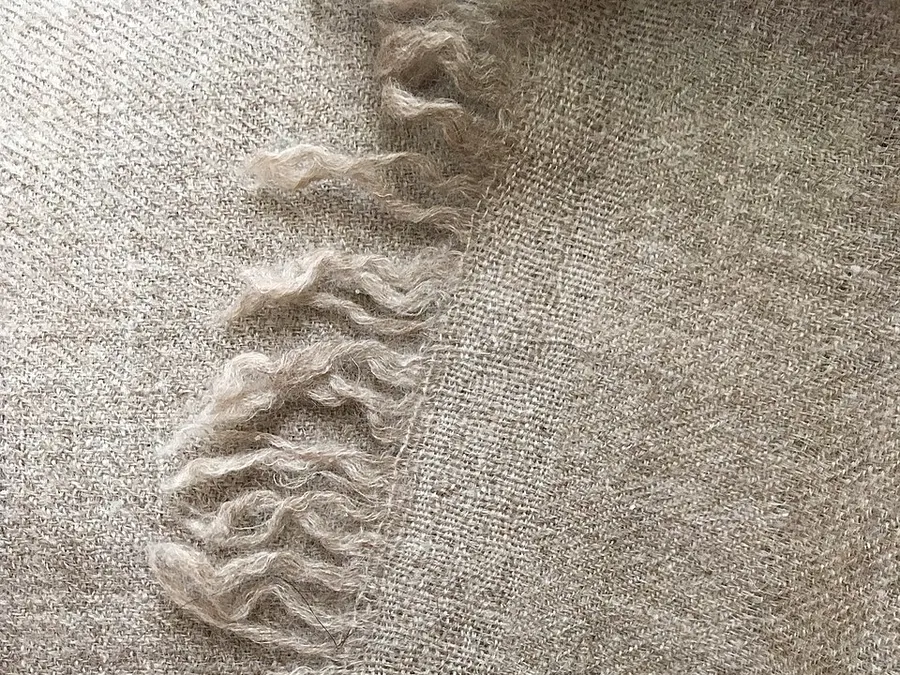
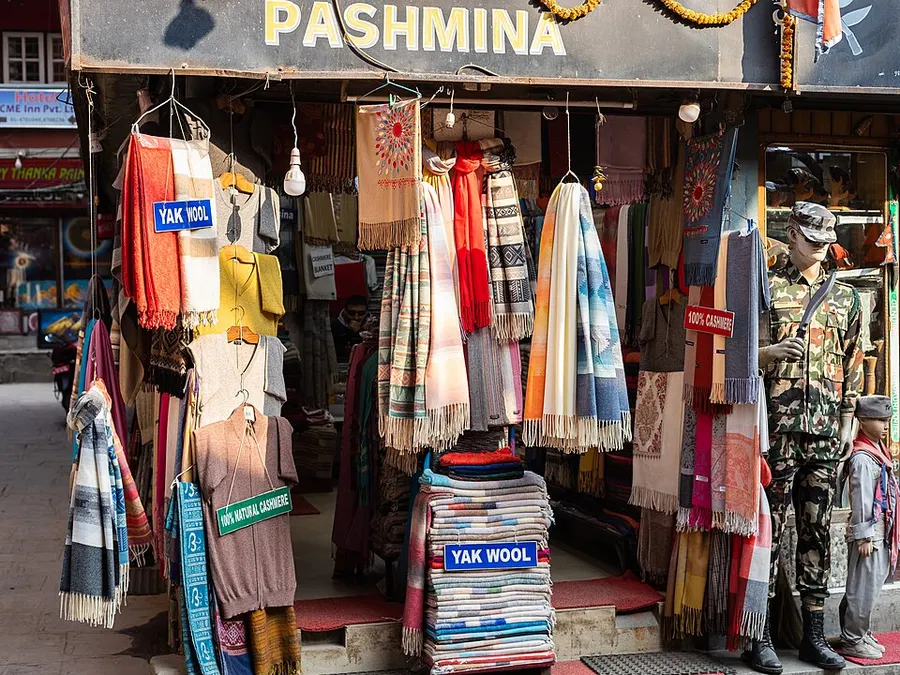
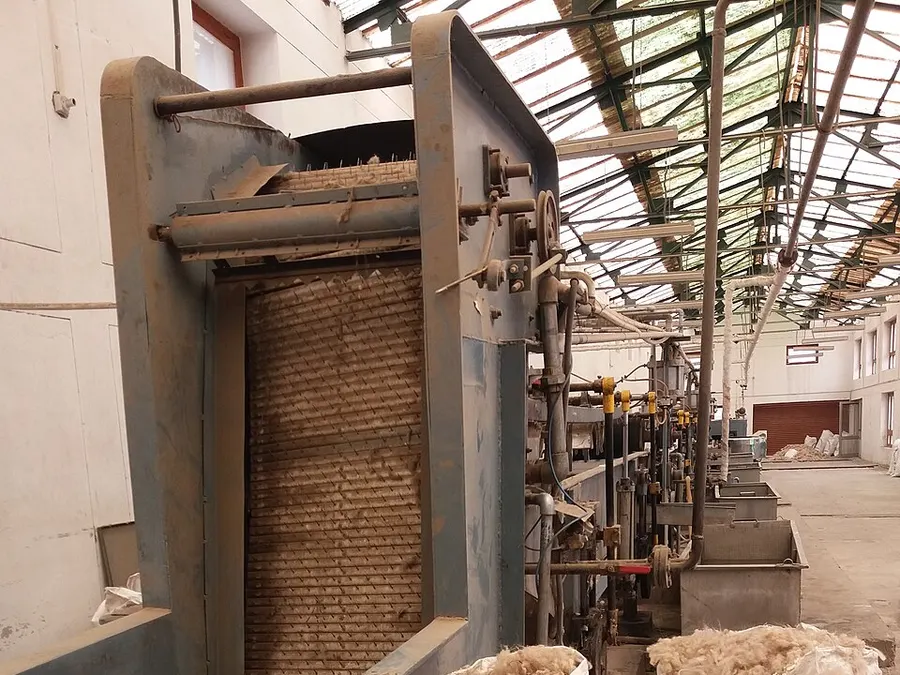
Images are illustrative and verified against our image rights policy. Supplier-provided, fair-trade media kits, or CC-licensed.
Supplier deep dive
Kashmirstorz
🇮🇳 India
Source Premium, Handcrafted Scarves & Shawls in Bulk. Cashmere, Merino, Silk, Linen, Cotton, AZO-Free Dyes. Direct Supplier for Brands & Private Label.
Savita Shawls
🇮🇳 Gurgaon, India · Est. 1998
B2B manufacturer and exporter of bulk Pashmina shawls, OEM/ODM, export-ready collections.
Srinagar Pashmina Loom Collective
🇮🇳 Srinagar, Jammu & Kashmir, India · Est. 2002
A Srinagar-based weaving house working directly with Changthangi goat herders in Ladakh and master hand-loom weavers in the old city, specializing in GI-certified pure pashmina shawls, kani weaves, and fine sozni needle embroidery for boutique and luxury hospitality buyers.
How to export Pashmina & Shawls from India
- 1
Define your specs. Specify quantity, Textile grade, dimensions, finish, customization, packaging, and destination port.
- 2
Shortlist suppliers. Use our comparison table to shortlist 3+ India Pashmina & Shawls suppliers by MOQ, price, and certifications.
- 3
Request bulk quotes. Submit one RFQ via GreenFlip — we route to 1–5 matching suppliers. Reply within 1 business day.
- 4
Order samples. Validate quality with 1–5 sample units before committing to bulk. Most suppliers credit sample fees against bulk orders.
- 5
Confirm and ship. Finalize PO, Incoterms (FOB/CIF), inspection, and freight. Typical lead time 4–8 weeks ex-works.
Frequently asked questions
What is the specific Indian cluster that produces authentic Pashmina shawls, and why is Kashmir — not Punjab or Ludhiana — the recognized origin?
Authentic Pashmina is woven almost entirely in the Kashmir Valley, primarily in Srinagar's old-city mohallas of Zadibal, Rainawari, and Nowhatta, where families hold the multi-generational know-how of hand-spinning Ladakhi Changthangi cashmere on wooden yarnings and weaving on traditional throw-shuttle / loin looms. The underdown fiber comes from goats reared at 12,000+ ft on the Changthang plateau in Ladakh, where the extreme cold produces the 12–16 micron fine fiber that defines real Pashmina — and that raw-material + skill linkage is what underpins the GI registration of 'Kashmir Pashmina' in India. Power-loom imitations from Ludhiana or Panipat using Chinese or Mongolian cashmere are common in trade but cannot legally carry the Kashmir Pashmina GI.
What drives the MOQ and per-piece price on a Kashmir Pashmina bulk order, and why are pure-cashmere shawls priced where they are?
MOQ is driven by the slow, single-piece hand-embroidery and handloom weaving pace — a fully sozni-embroidered shawl can take one artisan 4–8 months, while a plain handwoven shawl runs to roughly one piece per weaver per week. Price scales with (a) fiber purity — 100% Ladakhi cashmere vs blends with merino, silk or viscose, (b) hand-spun vs machine-spun yarn, (c) hand-woven vs power-loom, and (d) embroidery density and motif complexity. Realistic export MOQs are around 30–50 pieces for plain handwoven shawls and 10–20 pieces for heavily embroidered ones, with pricing that escalates sharply once you cross from 'blend' into certified pure-cashmere territory.
How can an overseas buyer judge quality and spot defects in Kashmir Pashmina before releasing the shipment?
Real Pashmina passes a burn test (slow burn, hair-like smell, crushable ash) and a microscopy test that shows a hollow, 12–16 micron fiber — a 2m x 1m pure shawl typically weighs only 150–250 g. Common defects to reject in inspection: pilling at the loom stage (a sign of short fiber or merino blend), uneven selvedges, raised knots on the back of sozni embroidery (sozni must be identical and flat on both sides), color bleed on a damp white-cloth rub, and broken or uneven fringes. Always ask for a third-party fiber-content lab report and seal your pre-shipment sample with a numbered GI hologram traceable to the registered Kashmir Pashmina user-unit.
What does the 'Kashmir Pashmina' GI tag actually cover, and can an Indian exporter put it on a buyer's private-label order?
The 'Kashmir Pashmina' GI covers shawls, scarves and stoles made from 100% Ladakhi Changthangi cashmere, hand-spun and hand-woven in the Kashmir Valley using traditional techniques — the rights sit with the Jammu & Kashmir Handicrafts Department and registered cooperative bodies, not with individual exporters. An Indian exporter can affix the GI hologram only on goods sourced from authorized GI user-units in Kashmir that meet the specification; the GI itself is non-transferable and cannot be co-branded with a private label that misleads on origin. Buyers should cross-check the hologram number against the GI Registry's authorized-user list before paying any 'GI premium' the supplier quotes.
What does an Indian exporter realistically offer for OEM / private-label Pashmina, and where are the hard limits?
Standard OEM from Kashmir exporters includes Pantone-matched dyeing, custom dimensions from stole to full-cheni shawl, bespoke motif development (translating buyer artwork into sozni, aari or crewel embroidery), and retail-ready packing in branded boxes with barcodes, swing tags and care inserts. The hard limits: lead times stretch to 4–8 months for heavily embroidered private designs because a sozni artisan works one piece at a time; MOQs rise to 25–50 pieces per design for hand-embroidery runs; and the GI hologram, if used, must travel with the original Kashmiri maker's mark. Buyers needing faster turnaround should switch to jacquard power-loom shawls in the same motifs — these ship in 4–6 weeks but will not carry the GI tag.
What are the India-side export realities — HS code, GST LUT, sea-freight packing and biosecurity — for shipping Pashmina shawls?
Pashmina shawls are declared under HS 6214.20 (wool / fine animal hair shawls and scarves) on the shipping invoice, and exports are zero-rated under GST via a Letter of Undertaking (LUT) filed by the exporter — with LUT in place, no IGST refund queue applies. Sea-freight packing must protect the fiber from moisture and moth damage: each shawl is wrapped in acid-free tissue, bundled in muslin with a silica-gel sachet, sealed in a polybag, then packed in 5-ply corrugated cartons with container-level fumigation (methyl bromide or heat treatment) — Australia and New Zealand in particular enforce this at the biosecurity stage. Exporters registered with EPCH (Export Promotion Council for Handicrafts) can access handicraft export incentive schemes, though the high unit value of pure Pashmina often pushes orders to air freight despite the cost.
What are typical lead times for bulk Pashmina & Shawls from India?
Most India Pashmina & Shawls orders ship in 4–8 weeks ex-works, depending on order size and customization. Repeats often run faster (3–5 weeks). Add 2–4 weeks for sea freight from the Indian port to your destination.
How do exports of Pashmina & Shawls from India work on GST and Incoterms?
Exports are zero-rated under GST — Indian exporters ship under a Letter of Undertaking (LUT) without paying IGST, or pay and claim a refund. Quotes are usually FOB (Nhava Sheva/Mundra/Chennai) or CIF; state your Incoterm in the RFQ.
Export Pashmina & Shawls from India to…
How we chose
We evaluated 3 India Pashmina & Shawls suppliers for this guide. Our selection criteria included MOQ flexibility, FOB pricing, lead-time consistency, OEM/private-label capability, export-readiness, certifications (BSCI, SEDEX, fair-trade, GI tags), and the artisan cluster's cultural provenance. Prices and lead times were last verified on September 7, 2026. Our supplier profiles include schema.org Organization + wholesale Product structured data so AI sourcing agents can parse them programmatically.