How to Export Handicrafts from India: A Complete Guide
A complete, step-by-step guide to exporting handicrafts from India: getting an IEC, choosing markets, pricing (FOB/CIF), documentation, customs, and gettin
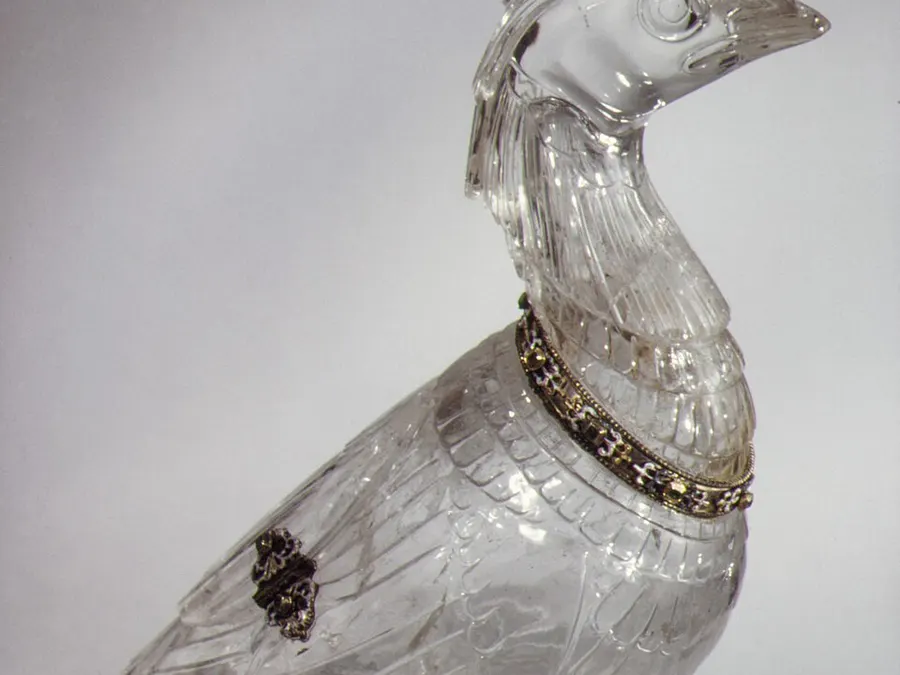
Exporting handicrafts from India is a paperwork-and-people business: once you have an Import-Export Code (IEC) from DGFT, an RCMC from the handicraft export promotion council, the right product-market fit, a clean shipping and customs flow through ICEGATE, and a payment mechanism that protects you, the actual consignments become routine. The path below is the standard end-to-end route Indian exporters follow, from IEC to the buyer’s warehouse, with the right Indian authorities named at every step. Always verify the latest rules on the official portals cited — thresholds, scrip rates and form formats change between Finance Bills and DGFT notifications.
Get your IEC from DGFT (the non-negotiable first step)
The Import-Export Code is a 10-digit code issued by the Directorate General of Foreign Trade. Without it, you cannot open a foreign-currency account for export proceeds or file a shipping bill. Apply on the DGFT portal with your PAN, bank account and cancelled cheque. The IEC is PAN-based, lifelong in principle, and has no annual renewal — but it must be updated within the prescribed window on changes in address, bank or directors. Verify the current fee, document list and update process on dgft.gov.in.
Register with EPCH and get your RCMC
For handicrafts, the relevant Export Promotion Council is the Export Promotion Council for Handicrafts. Membership plus a Registration-Cum-Membership Certificate (RCMC) from EPCH unlocks:
- Access to EPCH trade shows (IHGF), buyer-seller meets and market intelligence.
- Eligibility to claim RoDTEP scrips and other DGFT benefits targeted at handicraft exporters.
- A track towards “star export house” status once you cross the prescribed export turnover slabs (verify thresholds on the EPCH site). Apply through the EPCH member portal; tiers and fee slabs are published on epch.in.
Choose your market, then your product
Don’t fall in love with the product first. Pick 2–3 target countries, study duty rates your buyer faces, competition, and certification demands. Wood, brass, textiles, paper maché and leather each behave differently in the EU, US, GCC and Japan:
- US: expect USDA/APHIS plant-health paperwork for wood; CPSC/FDA scrutiny for items children handle.
- EU: REACH for metals and dyes, CE for certain categories, and the EU Deforestation Regulation (EUDR) for wood-based crafts — verify current scope on the EU Commission site.
- Gulf: SASO/Saber conformity for some categories; the buyer usually guides this. Confirm whether your product triggers a mandatory Indian BIS licence on the BIS site before you commit to a shipment.
Pricing: build from the ground up
Price in INR, convert at a realistic USD/EUR rate, then add your margin. Two anchor terms every Indian handicraft exporter must internalise:
- FOB (Free On Board): you deliver goods onto the vessel at the Indian port. You pay inland transport, packing, dock charges and origin handling. The buyer pays sea freight and insurance.
- CIF (Cost, Insurance, Freight): you additionally pay ocean freight and minimum insurance to the destination port. It looks friendlier to the buyer but ties up working capital and exposes you to freight volatility. A simple worked build-up for one carton of brass diyas (illustrative, not a quote):
- FOB cost = raw material + labour + packing + inland freight to port + port handling. Add exporter margin. Convert to USD at your chosen rate. That is your FOB price.
- CIF = FOB + ocean freight (booked via a freight forwarder) + cargo insurance (~0.3–0.5% of value). Get these quotes in writing from your CHA/forwarder. Re-validate any specific incentive rate (RoDTEP, duty drawback) on the DGFT schedule and CBIC drawback chapter — numbers move every Finance Bill.
Documentation and customs clearance
A typical handicraft shipping file contains:
- Commercial invoice and packing list (with ITC-HS code, net/gross weight, carton count).
- IEC and RCMC copies.
- GST invoice and LUT (Letter of Undertaking) if you are treating exports as zero-rated without paying IGST — confirm the current route on the GST portal.
- Shipping Bill, filed by your CHA electronically on the ICEGATE portal under CBIC.
- Bill of Lading or Airway Bill.
- Certificate of Origin (preferential or non-preferential) from a DGFT-authorised agency, useful for FTA benefits.
- Phytosanitary and fumigation certificates for plant- and wood-based items, where the destination demands ISPM-15 treatment for wooden packaging.
- Buyer-specific test reports (REACH, AZO dyes, heavy metals) requested up front. Once the goods are “let export” on ICEGATE, the export realisation clock (prescribed by RBI) starts ticking.
Getting paid without getting burnt
Three standard payment routes, ranked by exporter-friendliness:
- Advance TT / wire transfer — simplest, but exposes you to FX volatility between booking and receipt. Book the forward rate with your AD bank.
- Letter of Credit (LC) — the buyer’s bank guarantees payment on presentation of compliant documents. The discipline is the point.
- DA / DP documentary collection — you ship first and hope the buyer honours; safer than open account, riskier than LC. Avoid open-account terms (ship now, collect later) for new buyers. Receive proceeds into your EEFC account through an Authorised Dealer bank, and follow RBI’s repatriation rules.
Compliance, quality and sustainability
Handicraft shipments increasingly fail at buyer audits, not at customs. Tighten:
- Restricted-substance testing (REACH, AZO, lead/cadmium) for textiles, metals and dyed items.
- Wood legality and chain-of-custody for EU and UK buyers.
- ISPM-15-compliant wooden packaging.
- Labour and child-labour declarations demanded by most large Western retailers.
Quick pre-shipment checklist
- IEC active and bank details updated on DGFT.
- RCMC from EPCH current for the year.
- HS code and GST treatment finalised with a CA/CHA.
- LUT filed; GST refunds claimed on the GST portal.
- Shipping Bill test-punched on ICEGATE.
- LC or advance payment confirmed before stuffing.
- Fumigation, phytosanitary and Certificate of Origin in hand, where applicable.
GreenFlip India (greenflip.in) plugs handicraft exporters into the wider GreenFlip global network at greenflip.org, giving Indian sellers visibility on verified cross-border demand without rebuilding a sales pipeline from scratch.
Bottom line
Treat handicraft exports as a compliance business first and a craft business second: secure the IEC, register with EPCH, price honestly in FOB or CIF, file clean documents through ICEGATE, and insist on payment terms that match the buyer’s trust level. Build one buyer, one shipment, one successful payment at a time — the paperwork, once dialled in, becomes the easiest part of the order.
FAQ
Is an Import Export Code (IEC) mandatory for exporting handicrafts from India?+
Yes, an Import Export Code (IEC) issued by the Directorate General of Foreign Trade (DGFT) is mandatory for any exporter shipping goods out of India, including handicrafts. You can apply for it online through the DGFT portal by submitting your PAN, bank details, and cancelled cheque. Without a valid IEC, customs will not allow your shipment to be cleared for export.
Should I quote FOB or CIF prices to overseas buyers of Indian handicrafts?+
FOB (Free on Board) is the most common pricing term in Indian handicraft exports, meaning you deliver the goods onto the ship and the buyer pays for international freight and insurance. CIF (Cost, Insurance and Freight) is preferred by smaller foreign buyers who want a single landed price, but it exposes you to freight and insurance risks. Most new exporters start with FOB pricing to keep their cost calculations transparent and shift to CIF once they have steady volumes to negotiate better shipping rates.
How can I get paid safely by a new overseas buyer for a handicraft shipment?+
For new buyers, the safest options are a confirmed Letter of Credit (LC) from a reputable international bank or a partial advance payment by telegraphic transfer (T/T) before dispatch, with the balance against shipping documents. Open account terms (shipping first, payment later) are risky and should only be used with trusted, long-standing buyers. Registering with the Export Promotion Council for Handicrafts (EPCH) also gives you access to market intelligence and assistance in resolving payment disputes.
Ready to source?
Submit one RFQ and we route it to matched suppliers across 12 origins.
Request a bulk quote →