Export Brass & Metal Handicraft from India to the Netherlands
Exporting Brass & Metal Handicraft from India to the Netherlands: buyer demand, IEC/GST/EPCH mechanics, freight, the Netherlands customs, MOQ and pricing — with…
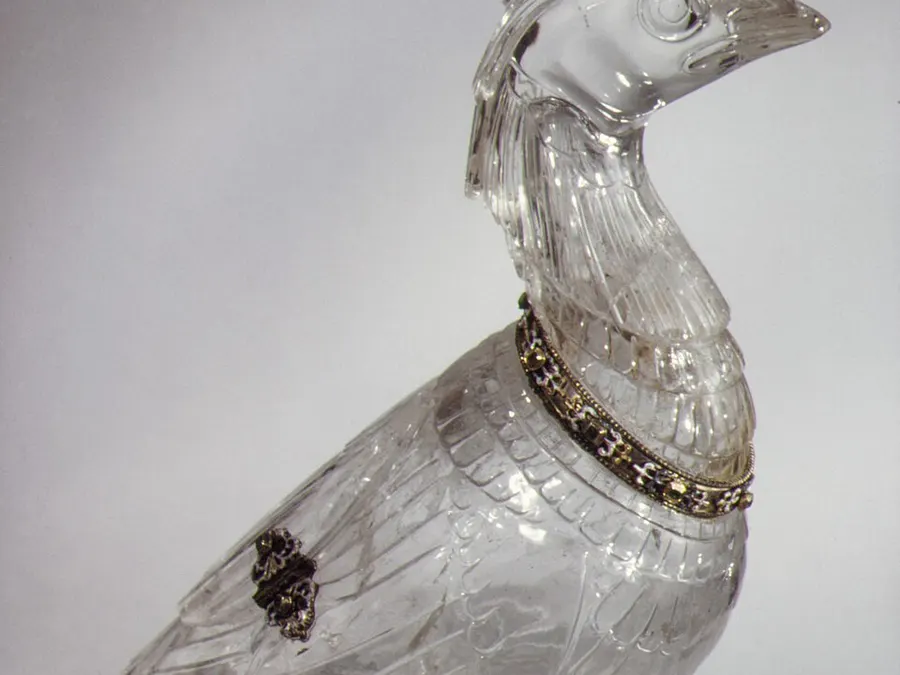
Dutch interior designers, museum shops, hospitality buyers, and Rotterdam-based wholesalers are the main customers for Indian brass, with hand-engraved decor, OEM furniture hardware, and lead-free serveware fitting the EU's strict metal-contact rules. The port pairings and paperwork below are what actually get consignments cleared at Rotterdam.
Who buys Brass & Metal Handicraft in the Netherlands and what fits
The Dutch market splits into four clear buyer types:
- Interior and concept stores (Amsterdam, Rotterdam, The Hague) want hand-engraved bowls, lanterns, tabletops, and planters in muted or antique finishes — a soft patina sells better than high-shine lacquer.
- Museum and heritage shops (Rijksmuseum, Volkenkunde) buy India-themed reproduction pieces; they ask for documented artisan origin.
- Hospitality and garden buyers take larger brass planters, outdoor lanterns, and serveware for hotels and restaurants.
- Rotterdam-based wholesalers re-distribute to Germany, Belgium, and France; they prefer mixed FCLs combining brass with other Indian handicrafts.
Niche demand worth testing: brass memorial and urn items for the Dutch funeral market, and lead-free serveware (thali sets, kansa-style vessels) for the South Asian diaspora. OEM brass parts — hinges, lighting components, furniture hardware — go to Dutch and German design brands.
Export mechanics from India
- IEC is mandatory on every shipping bill; obtain from DGFT.
- GST LUT filed on the GST portal gives you zero-rated exports without paying IGST upfront, and avoids the refund block.
- EPCH membership + RCMC under the handicraft category unlocks MAI/MDA scheme benefits and supports the origin story at Rotterdam customs.
- Shipping bill filed at ICEGATE; for brass, HS code is typically 7419 (other articles of copper — decor, figurines, OEM parts) or 7418 (table/kitchen articles — vessels, serveware). Choose correctly — it affects RoDTEP scrip value and EU classification.
- RoDTEP and IGST refund (if you skipped LUT) are remitted via the customs ledger; do not expect cash.
- FOB Nhava Sheva (JNPT) or Mundra — both have direct weekly services to Rotterdam. Moradabad cargo moves by road to Mumbai in 3–4 days.
Shipping, lead time & destination compliance
- Sea LCL for first orders (5–15 CBM), FCL (20'/40') once a SKU runs monthly.
- Air only for samples or replacement pieces — Delhi/Mumbai to Amsterdam Schiphol, 3–5 days door-to-door.
- Destination authority: Dutch Customs (Douane) handles import declarations against the importer's EORI. Product safety sits with NVWA (food-contact brass) and ILT (chemicals/REACH).
- Verify before quoting: REACH Annex XVII limits on lead and cadmium in metal articles, nickel release (EN 1811) for any item in skin contact, and food-contact rules for vessels. Confirm current thresholds with the ECHA database and Dutch Customs directly — never quote rates from memory.
MOQ, pricing, samples & quality
- MOQ in Moradabad: 200–500 pcs for stock designs, 50–100 for custom engraving. OEM brass parts: 1,000–5,000 pcs.
- Pricing in USD or EUR FOB; factor LME copper/zinc movement, hand-engraving labour, and finish (antique, mirror, brushed). Add a brass-price adjustment clause in contracts.
- Samples: courier DHL/FedEx in 5–7 days; charge on first inquiry, refund against bulk order — standard Moradabad practice.
- Quality and compliance:
- Specify low-lead brass (≤0.05% Pb) or DZR alloy for jewelry, serveware, and OEM hardware to clear EU REACH.
- Provide mill test certificates and a REACH Declaration of Conformity with every shipment.
- Use ISPM-15 compliant packing; silica gel inside seaworthy corrugated prevents verdigris during the North Sea transit.
- Brass is not under a registered GI in India — promote "Handmade in India" with artisan photos and a short process note, which Dutch retailers use in their own marketing.
Bottom line
Brass fits the Netherlands if you ship low-lead, well-finished pieces through Nhava Sheva or Mundra to Rotterdam, file GST LUT, and supply REACH paperwork upfront. Build around interior stores, hospitality, and OEM hardware — not generic souvenir volume. Always confirm current duty rates and REACH limits with Dutch Customs and ECHA before each contract.
FAQ
What documents are required to export brass and metal handicrafts from India to the Netherlands?+
Exporters need an Import Export Code (IEC) from DGFT, a Commercial Invoice, Packing List, Bill of Lading/Airway Bill, Certificate of Origin, and fumigation certificate for wooden packaging. Registration with the Export Promotion Council for Handicrafts (EPCH) is recommended to access market development assistance and benefits under India-EU trade preference schemes.
Are there specific import regulations for brass and metal handicrafts entering the Netherlands?+
The Netherlands follows EU regulations, including REACH compliance for metal composition and lead/cadmium content restrictions, along with CE marking where applicable. Import duties depend on the HS code classification under the EU Common External Tariff, and goods meeting rules of origin may qualify for preferential or zero-duty treatment under the India-EU trade agreement.
Get an export quote for the Netherlands
One RFQ reaches verified Indian brass & metal handicraft exporters — with MOQ, FOB pricing, and lead time to the Netherlands.
Request a quote →