Export Ceramic & Terracotta from India to Australia
Exporting Ceramic & Terracotta from India to Australia: buyer demand, IEC/GST/EPCH mechanics, freight, Australia customs, MOQ and pricing — with verified Indian…
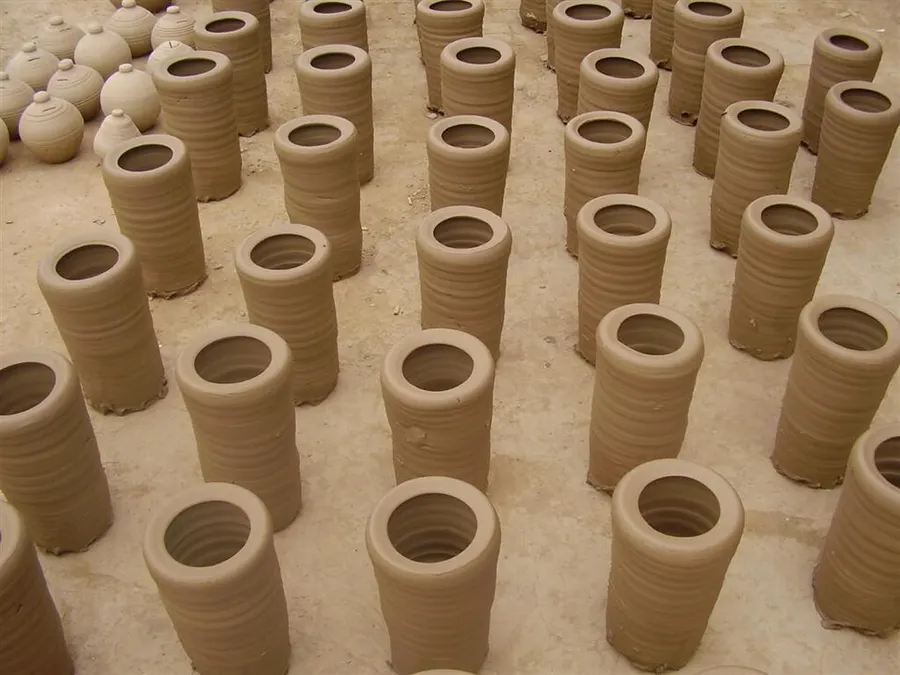
Indian ceramic and terracotta fit the Australian market well: terracotta planters serve the country's strong outdoor-living culture, Jaipur blue pottery suits coastal interiors, and hand-glazed stoneware feeds the artisan-food scene. The realistic path is sea freight from Mundra or Nhava Sheva, an EPCH-registered exporter, and fully ISPM-15 compliant wood packaging to pass Australian biosecurity without delay.
Who buys Ceramic & Terracotta in Australia
Serious buyers cluster in five lanes:
- Garden centres and landscape retailers — terracotta planters, urns, and bird baths move well given Australia's outdoor living culture.
- Home décor chains and concept stores — looking for blue pottery, hand-glazed tableware, and decorative pieces with a story behind them.
- Hospitality buyers — boutique cafés and restaurants sourcing hand-thrown stoneware plates, bowls, and serveware.
- Gallery and museum shops — interested in GI-tagged pieces (Jaipur Blue Pottery, Khurja pottery) with clear provenance.
- Wellness and lifestyle brands — diffusers, candle holders, and incense items in matte-glazed stoneware.
Best-fit SKUs: terracotta garden ware (light, stackable, low freight cost per unit), blue pottery serveware, hand-glazed dinnerware, and small decorative objects under 1 kg that ride e-commerce shipping rates cleanly.
Export mechanics from India
- IEC (Import Export Code) from DGFT is mandatory; apply via the dgft.gov.in portal.
- GST LUT filed annually on the GST portal to zero-rate your exports — no IGST paid, no refund chase.
- EPCH registration with the Export Promotion Council for Handicrafts; obtain an RCMC to access MAI/MAES scheme support and to claim RoDTEP remission on the shipping bill.
- Shipping bill filed at the port in ICEGATE under the LUT option. Realise foreign exchange through an AD Category-I bank and track via EBRC/BRC.
- Typical FOB ports: Mundra (Gujarat) for Khurja, Morbi, and Kutch ceramics; Nhava Sheva (JNPT) for consolidation from Rajasthan and UP; ICD Tughlakabad if road-freighting from North India.
- Documents per shipment: commercial invoice, packing list, certificate of origin (under the India-Australia ECTA if claiming preferential duty), and a fumigation certificate for any wood used.
Shipping, lead time, and Australian compliance
- Sea: 18–25 days to Sydney, Melbourne, or Fremantle from Mundra; budget another 5–7 days for inland haulage and port handling.
- Air: 4–6 days, useful for samples and high-value decorative consignments under 100 kg.
- Australian Border Force (ABF) is the customs authority. The Department of Agriculture, Fisheries and Forestry (DAFF) handles biosecurity — check the BICON database for your HS code before shipping.
- ISPM-15 compliance on wood packaging is non-negotiable: heat treatment (56°C / 30 min) or methyl bromide fumigation, marked with the IPPC stamp. Untreated pallets get re-exported or destroyed at the exporter's cost.
- Verify tariffs and GST under the Customs Act 1901 and the A New Tax System (GST) Act 1999 via the ABF tariff tool — do not rely on rates from memory, especially under the India-Australia ECTA, which may give preferential duty on goods meeting origin rules.
- Ceramic itself is low-biosecurity risk; the real problem is the wood, straw, or seed-fibre dunnage around it.
MOQ, pricing, samples, quality notes
- MOQ: 50–200 pieces per SKU works for most boutique buyers; full-container loads suit big-box retailers.
- Pricing: quote FOB per piece and include inner and master carton costs. Stoneware dinnerware is freight-heavy, so light terracotta and small decor items travel better per cubic metre.
- Samples: 2–4 weeks production plus 5–7 days door-to-door by DHL/FedEx. Charge on proforma; refund against confirmed order.
- Quality and GI: lead and cadmium release must meet IS 14644 and Australian food-contact rules under ACCC guidance. Promote Jaipur Blue Pottery GI and Khurja Pottery GI on packaging and marketing — provenance sells in Australia.
- Pack each piece in double-wall corrugated with moulded-pulp or foam corners; mark every master carton with "FRAGILE" and orientation arrows.
Bottom line
Indian terracotta, blue pottery, and hand-glazed stoneware have a real place in Australia's garden and artisan-dining segment, but deals are won or lost on packaging and paperwork. Lock in ISPM-15 wood compliance, verify duty treatment under the ECTA, and lean on your GI story — that combination is how smaller ceramic exporters turn Australian sample enquiries into repeat orders.
FAQ
What biosecurity and quarantine requirements apply to ceramic and terracotta exports from India to Australia?+
All consignments must comply with Australia's Department of Agriculture, Fisheries and Forestry (DAFF) biosecurity regulations, which require a clean, soil-free product and may necessitate a phytosanitary certificate. Terracotta items in particular may be subject to inspection, and any contamination from organic matter like soil or straw can result in fumigation, re-export, or destruction at the importer's cost.
Which HS codes and export documents are required for shipping Indian ceramics and terracotta to Australia?+
Ceramics typically fall under HS code 6913 (ornamental ceramic articles) or 6901-6902 (refractory/structural), while terracotta items are generally classified under 6913 or 9703 (original sculptures), so the specific classification should be confirmed with a licensed customs broker. Required documents usually include a commercial invoice, packing list, bill of lading or airway bill, certificate of origin (for any FTA benefits), phytosanitary certificate where applicable, and the Australian importer's DAFF import permit reference.
Get an export quote for Australia
One RFQ reaches verified Indian ceramic & terracotta exporters — with MOQ, FOB pricing, and lead time to Australia.
Request a quote →