Export Ceramic & Terracotta from India to Canada
Exporting Ceramic & Terracotta from India to Canada: buyer demand, IEC/GST/EPCH mechanics, freight, Canada customs, MOQ and pricing — with verified Indian exporters.
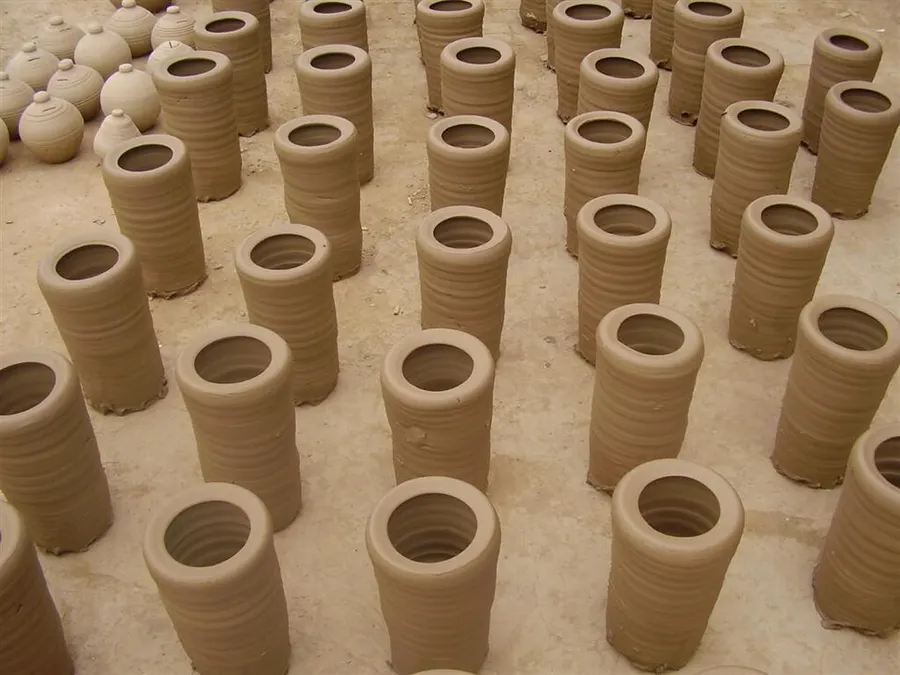
Indian ceramic and terracotta ship well to Canada: blue pottery, Khurja stoneware, and hand-glazed serveware clear CBSA without surprise, but the wins go to exporters who plan for bilingual packaging, food-safe glazes, and long lead times on fragile pallets.
Who buys Ceramic & Terracotta in Canada
Canadian buyers cluster into four lanes:
- Home decor and lifestyle chains (EQ3, West Elm Canada, Crate & Barrel Canada) want contemporary stoneware planters, lamp bases, vases, and serveware in muted palettes that match Scandinavian-influenced interiors. MOQs here are high (often 500+ per SKU) but orders repeat seasonally.
- Galleries, museum shops, and concept stores (Art Gallery of Ontario gift shop, ROM, indie boutiques in Toronto and Vancouver) buy signed, hand-glazed one-offs and limited editions. Blue Pottery of Jaipur — which is GI-tagged — has strong pull here.
- Restaurant and café supply for terracotta serveware, tagines, and bakers. They want food-safe documentation and glaze consistency across batches.
- Garden and landscape wholesalers for terracotta planters, especially large-format gardenware moving through Vancouver.
Export mechanics from India
- Get your IEC from DGFT (mandatory, lifetime validity).
- File a Letter of Undertaking (LUT) under GST so exports are zero-rated — you don't want IGST locked up unnecessarily.
- Get an RCMC from EPCH (Export Promotion Council for Handicrafts) — it unlocks MAI/MDA assistance and the Handicraft Mark you can stamp on your cartons and hangtags.
- File a Shipping Bill electronically via ICEGATE, and claim RoDTEP remission on the same bill.
- Typical FOB ports: Nhava Sheva (JNPT) for Toronto/Montreal; Mundra for Vancouver, which is the faster, cheaper call for western Canada.
Shipping, lead time, and Canadian compliance
Sea transit is roughly 28–35 days to Vancouver from Mundra and 30–38 days to Montreal/Toronto from Nhava Sheva, plus inland rail. Air is 5–7 days but rarely justified unless the buyer is replacing a damaged shipment.
Packaging matters more than for almost any other handicraft: double-walled corrugated, moulded pulp inserts, foam edge protectors, and ISPM-15 heat-treated pallets (Canada, like the US, rejects un-treated wood). Carton, hangtag, and pallet labels should already be in English and French — under the Consumer Packaging and Labelling Act, most consumer products sold in Canada require bilingual labelling.
Cleared by CBSA (Canada Border Services Agency). Before quoting, verify the Canada Customs Tariff classification (typically chapters 6911/6912/6913/6914) and applicable duty rates directly with CBSA or a licensed Canadian customs broker. For tableware and serveware, check Health Canada rules on lead and cadmium release from ceramic glazes; food-contact pieces may also need documentation for CFIA depending on end use.
MOQ, samples, quality, and GI notes
- MOQ: Hand-glazed studios often start at 50–100 units per design; large terracotta planters are quoted by container. Plan to consolidate mixed SKUs into one 20-ft FCL for the first run.
- Samples: Send paid samples (US$30–80 typical) by DHL/FedEx with a commercial invoice; Canadians expect samples to be invoiced, not gifted.
- Quality: Lead-free, food-safe glazes. Document your kiln, firing temperature, and clay body in a one-page spec sheet — boutique buyers ask for it.
- GI: Blue Pottery of Jaipur is GI-tagged. You can only use the tag if your studio or supplier is registered under the GI; never claim GI status you can't prove on a Canadian customs query.
Bottom line
Canada is a strong, US-style market for Indian ceramics, but fragile cargo, ISPM-15 pallets, bilingual labels, and Health Canada glaze rules decide who wins and who pays demurrage. Build your first shipment as a mixed-SKU 20-ft FCL from EPCH-registered studios, lock the GI story for blue pottery, and verify duty classification with CBSA before you quote.
FAQ
What documents are required to export ceramic and terracotta products from India to Canada?+
You typically need a Commercial Invoice, Packing List, Bill of Lading or Airway Bill, Certificate of Origin (issued by the Chamber of Commerce or FIEO/IEC), and an Export Declaration. For handmade or handloom items, an Authenticity/Handicraft Certificate from the Export Promotion Council for Handicrafts (EPCH) is recommended to claim any preferential treatment.
Do wooden packaging materials used for shipping ceramics to Canada require any special treatment?+
Yes, all wooden pallets, crates, and dunnage must comply with ISPM-15 (International Standards for Phytosanitary Measures No. 15), meaning they must be heat-treated or methyl bromide fumigated and marked with the IPPC stamp. This requirement is enforced by the Canadian Food Inspection Agency (CFIA) to prevent the entry of wood-boring pests.
Get an export quote for Canada
One RFQ reaches verified Indian ceramic & terracotta exporters — with MOQ, FOB pricing, and lead time to Canada.
Request a quote →