Export Ceramic & Terracotta from India to France
Exporting Ceramic & Terracotta from India to France: buyer demand, IEC/GST/EPCH mechanics, freight, France customs, MOQ and pricing — with verified Indian exporters.
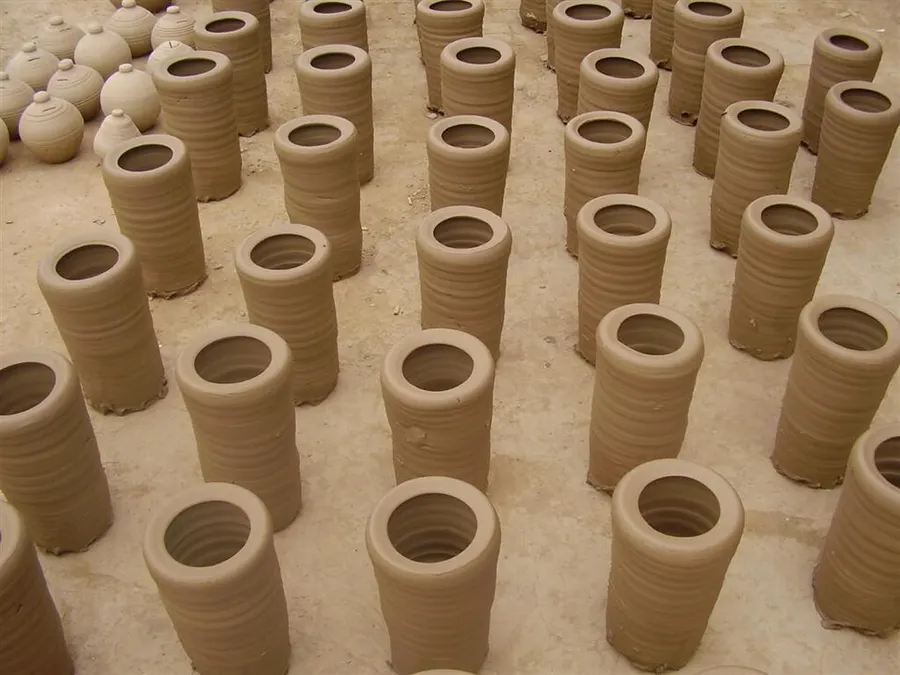
Buyers in France want hand-glazed Indian ceramics for the art de la table and curated home décor scene, and small-to-medium Indian exporters can compete on design and storytelling rather than scale. Below is the specific playbook for shipping ceramic and terracotta from India to France under EU rules.
Who buys Ceramic & Terracotta in France and what fits
France is not a price-driven market for Indian ceramics — it is a design and provenance market. Serious buyers include concept stores (Merci, BHV Marais, Le Bon Marché buying teams), independent homeware shops in Lyon, Bordeaux and Aix-en-Provence, Indian/South Asian grocery and décor stores, hotel and riad groups in Provence and the French Alps, and corporate gifting houses serving luxury houses and law firms.
Products that move: blue pottery of Jaipur (Jaipur kashi kari style is recognised by French buyers and now has a GI), Khurja-style stoneware tableware, hand-glazed terracotta planters and candleholders, and rustic serveware for the art de la table segment. Purely decorative, painted blue-pottery pieces sell as gifts and as wedding/Christmas cadeau items. Food-contact tableware needs a separate compliance route (see below).
Export mechanics from India
- IEC from DGFT is mandatory; keep it active and match the bank account.
- GST LUT filed on the GST portal (Form GST RFD-11) to zero-rate exports without IGST refund delays. Bond-with-bank is an alternative.
- RCMC from EPCH (Export Promotion Council for Handicrafts) — useful for handicraft-status shipments, MAI/MDA scheme access, and Buyer-Seller Meets.
- Shipping Bill filed at the port of export; for handmade ceramics without a factory-level RCMC, the EPCH-issued status helps at customs valuation.
- FOB ports: Mundra (primary for North-India clusters of Jaipur/Khurja/Ahmedabad) and Nhava Sheva (Nhava Sheva / JNPT). Mundra–Le Havre is the most-used lane for ceramics to France.
- RoDTEP benefits apply; check the latest frozen/extended status and the ceramic HS-code rebate rate (typically 69 class chapters).
Shipping, lead time, and destination rules
Sea freight Mundra → Le Havre is roughly 18–25 days port-to-port plus 3–5 days inland; Marseille/Fos is also served. Air freight (Delhi/Mumbai → CDG) is 2–4 days and worth it for high-value one-offs or samples.
Fragility is the single biggest cost driver — budget for double-walled corrugated, moulded pulp inserts, edge protectors, and palletisation; air-shipping loose cartons is a loss risk. Mark "FRAGILE / CERAMIC / THIS SIDE UP" and use ISPM-15 heat-treated pallets for EU entry.
On the French/EU side, customs is handled by DGDDI (Douanes françaises) under the EU Customs Union (Union Customs Code). The general principle: imports from India attract EU Common Customs Tariff duty plus 20% French VAT. Verify the exact duty rate for your 8-digit TARIC code on the European Commission's TARIC database, and check for any autonomous tariff suspensions or GSP (when in force). For tableware, EU food-contact regulation (EC) 1935/2004 applies — lead and cadmium release limits must be tested and a Declaration of Conformity supplied. Product safety in France is enforced by DGCCRF. REACH (EC 1907/2006) applies to glazes and pigments — keep SDS for any coloured glazes. Country-of-origin marking on each piece or batch label is mandatory.
MOQ, pricing, samples, and quality/GI notes
MOQ is low by industrial standards — 50–100 pieces per design per size is workable for hand-glazed work, but French buyers expect 2–3 coordinated colourways per collection. Pricing is FOB India, with each piece's packaging cost (often 8–15% of product value) priced into the line. Offer a 30–50% margin over landed cost so French importers can run their typical 2.5–3x retail.
Send physical samples (DDP Delhi/Mumbai by air, 3–4 working days to Paris) and a digital lookbook; expect 4–6 weeks from sample approval to first PO. Hold a GI angle where relevant — Blue Pottery of Jaipur and Khurja Pottery are both registered GI tags and help with both origin pricing and anti-copying in the EU.
Bottom line
France is a high-margin, design-led market where story-rich hand-glazed ceramics outperform generic terracotta — lead with Blue Pottery or Khurja stoneware, build EPCH and RCMC paperwork early, price in fragile-pack costs, and treat EU food-contact and REACH compliance as non-negotiable for any edible-use line.
FAQ
What documents are required to export ceramic and terracotta goods from India to France?+
Exporters typically need a Commercial Invoice, Packing List, Bill of Lading, Certificate of Origin (under the India-EU trade framework), Fumigation Certificate for wooden packaging, and an ETPS-issued Shipping Bill. For terracotta items, a phytosanitary certificate may be required if straw or plant-based packing is used.
Do ceramic and terracotta products from India need to comply with EU safety and chemical regulations when entering France?+
Yes, items such as tableware and cookware must comply with EU Regulation (EC) No 1935/2004 on food contact materials, and lead/cadmium release limits under Directive 84/500/EEC apply to ceramicware. Decorative terracotta items generally face fewer restrictions but should still meet REACH chemical compliance for any glazes or finishes.
Get an export quote for France
One RFQ reaches verified Indian ceramic & terracotta exporters — with MOQ, FOB pricing, and lead time to France.
Request a quote →