Export Ceramic & Terracotta from India to Germany
Exporting Ceramic & Terracotta from India to Germany: buyer demand, IEC/GST/EPCH mechanics, freight, Germany customs, MOQ and pricing — with verified Indian…
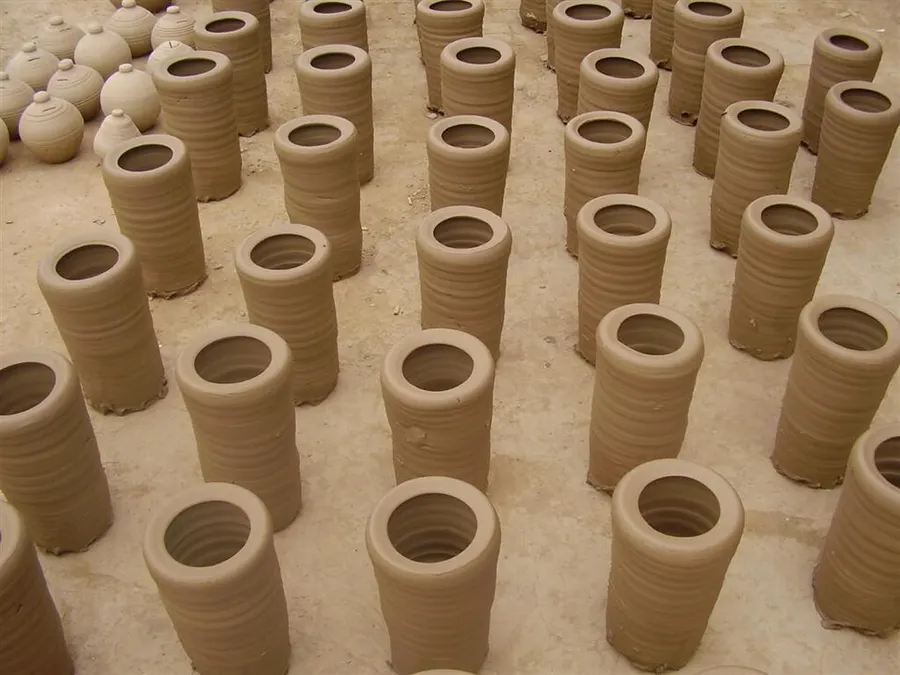
Buyers in Germany want ceramic and terracotta that is honest, durable, and certified safe. Indian exporters win when they pair traditional craft (Jaipur blue pottery, Khurja stoneware, Chhattanpur terracotta) with German-grade food-safety testing and plastic-free packing.
Who buys Ceramic & Terracotta in Germany
German buyers split into three lanes, and your craft should be aimed at one or two, not all:
- Concept stores and design boutiques (e.g., suppliers in Berlin, Munich, Hamburg Mitte): minimalist hand-glazed stoneware, matte-finish tableware, sculptural terracotta planters that fit Bauhaus and Japandi interiors.
- Home & hospitality wholesalers stocking restaurants, hotels, and the HoReCa sector: durable stoneware mugs, platters, casseroles, oven-to-table pieces.
- Garden and lifestyle retailers (Dehner, Manufactum-style outlets): unglazed terracotta, oil lamps (diyas), garden bells, and traditional water vessels (matka) sold as rustic decor.
Jaipur blue pottery and Khurja stoneware are the most recognisable craft stories. Manipur black pottery and Chhattanpur terracotta have a niche but growing pull in the upcycled-eco segment. Always position against German domestic ceramic heritage (Meissen, Rosenthal) by emphasising handmade, not volume.
Export mechanics from India
- IEC from DGFT is the first document. Apply online, keep it active.
- RCMC from EPCH (Export Promotion Council for Handicrafts) under the Handicrafts HS basket; EPCH also helps with international buyer referrals and fair participation (Ambiente Frankfurt, Ambiente).
- GST LUT filed annually on the GST portal for export of goods without IGST payment. Claim RoDTEP drawback on the shipping bill to recover embedded duties.
- Shipping bill filed at ICEGATE; HSN chapters 6911, 6912, 6913, 6914 cover tableware, household, ornamental and other ceramics.
- Typical FOB load-outs from Nhava Sheva (JNPT) or Mundra to Hamburg/Bremen.
Shipping, customs, destination compliance
Sea transit Mumbai → Hamburg is roughly 18–25 days; add Indian inland + port handling. Air is fast (4–6 days) but rarely viable for stoneware because of volumetric weight and breakage risk. Pack on edge, foam-separated, palletised, ISPM-15 heat-treated wooden pallets.
Destination checks before you ship:
- German customs (Generalzolldirektion) handles import. The buyer needs an EORI number. EU customs duty applies plus 19% German VAT (recoverable by the importer).
- EU REACH (EC 1907/2006) governs chemical substances in glazes and pigments. Test for lead, cadmium, barium leaching.
- EU Regulation 1935/2004 for any ceramic touching food; many German buyers additionally require LFGB (Lebensmittel- und Futtermittelgesetzbuch) test reports from a German lab (e.g., TÜV, SGS Germany).
- Verpackungsgesetz (LUCID registration) – the German buyer must register; you as supplier should support with paper, corrugated, no plastic void fill.
- Do not invent duty rates. Verify with German customs or the EU TARIC database.
MOQ, pricing, samples, quality
- MOQ: 200–500 pieces for stock lines; one 20-ft FCL (~12–15 MT) for serious wholesale orders. Terracotta planters ship dense, so weight, not piece count, fills the box.
- Pricing: FOB India usually 2.2–2.8× ex-factory. Add 6–8% for breakage reserve, German-test certificates, and ISPM-15 pallets in your quote.
- Samples: courier on buyer’s account or double-cost refundable on first order. Lead time 10–15 days plus air transit. Send a pre-shipment test report with the sample.
- Quality: lead-free, cadmium-free glazes mandatory; GI-tagged crafts (Jaipur Blue Pottery) carry documentation for the buyer’s marketing. Minor handmade variation is a feature, not a defect — state this in the proforma invoice.
Bottom line
Germany rewards ceramic exporters who treat food-safety and packaging law as non-negotiable, not optional. Lead with one craft story, one design lane, full LFGB/REACH documentation, and palletised FOB from Nhava Sheva or Mundra to Hamburg. A clean first container usually converts into repeat orders without aggressive price discounting.
FAQ
What documents are required to export ceramic and terracotta products from India to Germany?+
You typically need a commercial invoice, packing list, bill of lading/airway bill, certificate of origin (under the India-EU trade agreement if applicable), shipping bill, and an ISPM-15 compliant fumigation certificate for any wooden pallets or packaging. For terracotta items containing organic material, a phytosanitary certificate may be required by German customs.
Which EU regulations must Indian ceramic and terracotta exports comply with when entering Germany?+
Products must comply with REACH (EC 1907/2006) for chemical safety, and if used for food contact, EU Regulation 1935/2004 governs permissible lead and cadmium release levels. Tableware also falls under EU Ceramic Articles Directive 84/500/EEC, and importers must register with German packaging authorities (such as LUCID) under the Verpackungsgesetz for any non-reusable packaging.
Get an export quote for Germany
One RFQ reaches verified Indian ceramic & terracotta exporters — with MOQ, FOB pricing, and lead time to Germany.
Request a quote →