Export Ceramic & Terracotta from India to the Netherlands
Exporting Ceramic & Terracotta from India to the Netherlands: buyer demand, IEC/GST/EPCH mechanics, freight, the Netherlands customs, MOQ and pricing — with…
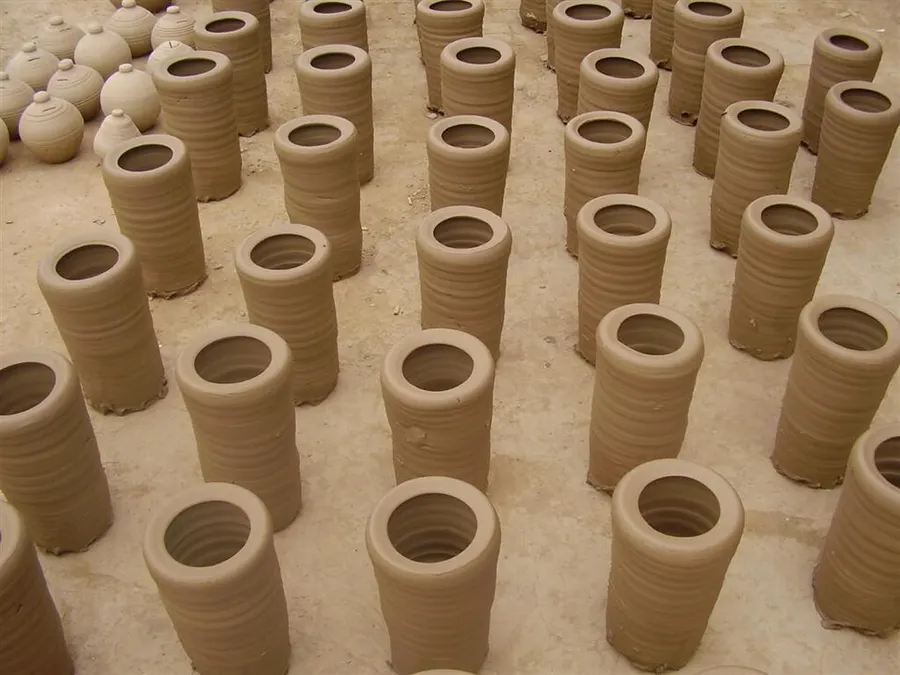
Indian Ceramic & Terracotta — especially Jaipur blue pottery, Khurja stoneware, and Chunar terracotta — has a natural fit in the Dutch design-led home and hospitality market, where buyers want hand-glazed, story-rich pieces that meet EU food-contact and REACH rules. Most serious shipments move FOB Nhava Sheva or Mundra by sea to Rotterdam, cleared by Dutch Customs (Douane) with an EORI number and the right HS code (typically Chapter 69 for ceramics).
Who buys in the Netherlands and what fits
The Dutch are a design-literate market with high spend per capita on interiors, and Rotterdam acts as the consolidation point for the rest of the EU. The serious buyers for Indian ceramic & terracotta are:
- Design boutiques and concept stores in Amsterdam, Utrecht, The Hague — want Jaipur blue pottery, hand-glazed stoneware vases, and matte terracotta tableware in muted, earthy palettes.
- Museum shops (Rijksmuseum, Van Gogh) and lifestyle chains like Dille & Kamille — want smaller, giftable, well-packaged pieces.
- Hospitality and restaurant suppliers — want durable stoneware plates, bowls, serving platters, espresso cups.
- Wholesalers in Rotterdam who redistribute across Germany, Belgium, and Scandinavia — want mixed pallets, consistent quality, repeatable designs.
- Garden and outdoor living retailers — want frost-resistant terracotta planters and lanterns (must survive a Dutch winter).
What does not sell well: shiny mass-market knick-knacks, religious iconography, and anything that looks "ethnic tourist" rather than contemporary craft.
Export mechanics from India
- IEC (Import Export Code) from DGFT is mandatory; keep it active and linked to your AD code bank.
- EPCH membership and RCMC: The Export Promotion Council for Handicrafts is the relevant council for ceramics; the RCMC lets you claim duty drawbacks and access MAI/MDA schemes.
- GST: File a Letter of Undertaking (LUT) on the GST portal to export under LUT without paying IGST. If you skip LUT, pay IGST and claim refund — slower cash cycle.
- Shipping bill: File on ICEGATE under the right chapter (69.10/69.11/69.13 etc. for tableware/ornamental/other). Claim RoDTEP remission and IGST refund (if applicable) in your EDPMS/DGFT returns.
- FOB ports: Nhava Sheva (JNPT) and Mundra are the usual load ports; APSEZ and Allcargo are common for LCL ceramic cargo.
Shipping, lead time, and Dutch compliance
- Sea LCL/FCL Nhava Sheva → Rotterdam is the standard route, around 18–24 days transit plus 3–5 days for origin handling. Air freight only makes sense for high-value one-offs or urgent reorders.
- Packaging: Fragility is the single biggest claim reason. Use double-corrugated cartons, moulded pulp or foam corner protectors, and ISPM 15-marked wooden crates for palletized loads. "Made in India" and "Fragile / This side up" must be in English plus Dutch or German where possible.
- EORI number: Your Dutch buyer must give you their EORI; it goes on the commercial invoice.
- Dutch Customs (Douane): They apply the EU Common Customs Tariff. Verify exact duty and VAT with the Belastingdienst/Douane or via the EU TARIC database — ceramic duty is usually low single digits MFN, but pottery classified as "works of art" or "antique" can attract 0% under specific headings with conditions.
- EU compliance for food-contact ceramics: Items that touch food must comply with Regulation (EC) 1935/2004 and the ceramic-specific Council Directive 84/500/EEC on lead and cadmium migration. Get lab test reports (SGS/Intertek) and a Declaration of Conformity. Decorative-only pieces should carry a "Not for food use" label to avoid disputes.
MOQ, pricing, samples, and quality notes
- MOQ: For hand-glazed lines, expect serious buyers to want 50–150 pieces per design, not per SKU. A 20-ft FCL holds a lot of terracotta — confirm pallet weight (usually capped at 1,000–1,200 kg for safe handling).
- Pricing: Quote FOB India in USD or EUR, with realistic breakage allowance (1.5–2% for terracotta, 0.5–1% for stoneware). Dutch buyers negotiate hard but pay on time.
- Samples: Send 3–5 pieces by DHL/FedEx; keep them identical to production runs, including the box and label artwork. Recharge sample cost against the first order.
- Quality: Colour and glaze variance is normal in hand-glazed work — put a "handmade variation" note on the spec sheet to manage expectations.
- GI leverage: Jaipur Blue Pottery carries a GI; use it in your story. Khurja pottery and Chunar terracotta are reputation-based — mention the cluster and kiln tradition.
Bottom line
Indian ceramic and terracotta sells in the Netherlands when it looks like contemporary design, ships without breakage, and clears EU food-contact rules. Get your IEC, EPCH RCMC, GST LUT, and shipping-bill paperwork tight, sea-load via Nhava Sheva or Mundra to Rotterdam, and invest in lab-tested food-safety certification before your first container. Do that, and Rotterdam becomes a springboard into the rest of Europe rather than just one order.
FAQ
What documentation is required to export ceramic and terracotta products from India to the Netherlands?+
Exporters typically need a commercial invoice, packing list, bill of lading or airway bill, certificate of origin (under the India-EU trade framework), and an export license from the DGFT if applicable. For shipments to the Netherlands, the goods must also comply with EU REACH chemical safety regulations and may require a CE marking for items intended for food contact use.
Which HS codes apply to ceramic and terracotta exports from India to the Netherlands, and what is the recommended shipping method?+
Ceramic articles generally fall under HS code 6913 (ornamental) or 6911 (tableware), while terracotta products are typically classified under HS code 6912, 6913, or 6914 depending on use. Sea freight via Indian ports such as Mundra or Nhava Sheva to Rotterdam is the most cost-effective method for bulky or fragile consignments, with proper cushioning and ISPM-15 compliant wooden packaging to prevent transit damage.
Get an export quote for the Netherlands
One RFQ reaches verified Indian ceramic & terracotta exporters — with MOQ, FOB pricing, and lead time to the Netherlands.
Request a quote →