Export Ceramic & Terracotta from India to the USA
Exporting Ceramic & Terracotta from India to the USA: buyer demand, IEC/GST/EPCH mechanics, freight, the USA customs, MOQ and pricing — with verified Indian…
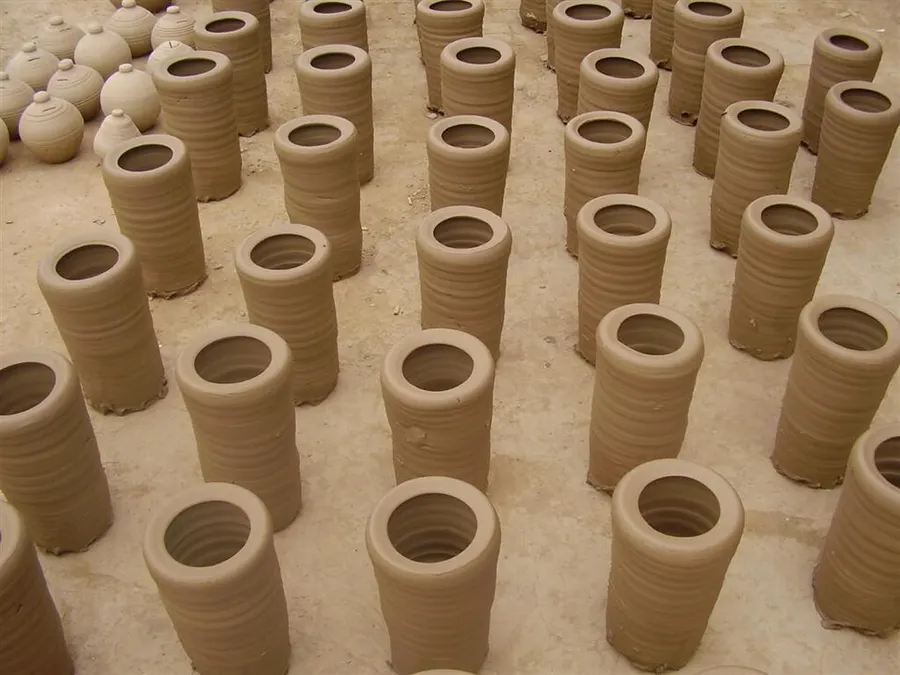
US buyers prize handmade Indian ceramic and terracotta for home décor, tabletop, and gifting—sellers should plan early for FDA food-contact rules, Prop 65 in California, and CPSIA whenever children are in the picture.
Who buys Ceramic & Terracotta in the USA and what product fits
The biggest pull is home décor and lifestyle retail: Anthropologie, West Elm, World Market, Crate & Barrel, Magnolia, and museum shops regularly stock Indian blue pottery, terracotta planters, hand-glazed lamps, and tagines. A second channel is tabletop and foodservice importers supplying restaurants, hotels, and specialty grocers—think stoneware dinnerware, serveware, and chai/tea sets. Interior designers and event planners buy one-off statement pieces (large urns, garden bells, wall plates), while e-commerce wholesalers route through Faire, Etsy Wholesale, and Amazon Handmade.
Product-market fit by category:
- Blue pottery (Jaipur) — bowls, vases, bathroom sets; sells well as giftable, colourful home accents.
- Khurja / Morbi stoneware — tableware, tea sets, baking dishes; volume-friendly.
- Terracotta — planters, garden bells, diyas, kitchen jars; rustic-look buyers (Anthropologie, Terrain).
- Hand-glazed decorative — lamps, wall art, soap dispensers, scented-diffuser bases.
- Kids' tableware — only with full CPSIA and FDA compliance; higher margin but heavier paperwork.
Export mechanics from India
- IEC from DGFT is mandatory; keep it active and linked to your bank AD code.
- RCMC from EPCH under the Handicrafts category unloths duty drawback/RoDTEP and is usually expected by US buyers as proof of origin.
- GST: file an annual Letter of Undertaking (LUT) to export under zero-rated supply, or pay IGST on the shipping bill and claim refund—LUT is the cleaner path for regular shippers.
- Shipping bill at the port of export; pair with commercial invoice, packing list, and EPCH certificate of origin.
- Typical FOB ports: Nhava Sheva (Jawaharlal Nehru) for Western and most North Indian clusters, Mundra for Gujarat (Morbi stoneware), and Chennai/Mumbai for Southern and Jaipur shipments.
- RoDTEP scrip accrues automatically; reconcile in the ICEGATE ledger.
Shipping & lead time to the USA; customs & compliance
Sea freight from Nhava Sheva/Mundra lands in Los Angeles/Long Beach, Newark, Savannah, or Houston in roughly 28–40 days door-to-door. Air (3–5 days) is reserved for samples, high-value decorative pieces, or rush replenishment. Use ISPM-15 heat-treated wooden crates and inner foam/corrugated dividers—breakage claims are the single biggest hidden cost in this category.
On the US side, U.S. Customs and Border Protection (CBP) is the authority for duty and classification under the HTSUS (common headings: 6911 tableware, 6912 household, 6913 ornamental). Verify exact duty rates and de minimis thresholds with CBP—do not rely on third-party calculators.
Compliance to plan for before the first shipment:
- FDA 21 CFR food-contact rules for anything holding food/drink.
- California Prop 65 warnings on lead and cadmium leaching from glazed ceramics sold into CA.
- CPSIA if marketed to children under 12 (lead content, tracking labels, small-parts).
- ASTM C738/C927 lead and cadmium extraction tests for tableware.
- Terracotta planters: clean, fully fired, no soil residues; no APHIS issue once fired.
MOQ, pricing, samples, and quality/GI notes
- MOQ: 50–100 pieces for an artisan trial order; 300–1,000 for a wholesale line.
- Samples: USD 80–250 per set, prepaid courier (DHL/FedEx) in 7–10 days; ask buyer to credit against the first PO.
- Pricing: quote FOB India in USD; expect buyer requests for DDP once trust is built.
- GI tags (Blue Pottery of Jaipur, Khurja pottery) command a 15–30% premium—carry the GI certificate and use it on packaging.
- Quality: hand-glazed pieces vary in colour and size; document tolerances in the spec sheet to avoid disputes. Commission a NABL-accredited lab in India (or a US lab) for lead/cadmium leaching reports before the first commercial shipment.
Bottom line
The US is the most lucrative—and most regulated—market for Indian ceramic and terracotta. Lock in EPCH RCMC, GST LUT, and a strong ISPM-15 packing protocol on the India side, and budget for FDA, Prop 65, and CPSIA testing on the US side. Done right, the freight is heavy but the margins hold up well, especially on GI-tagged blue pottery and design-led stoneware.
FAQ
What import duties apply to ceramic and terracotta goods exported from India to the USA?+
Ceramic and terracotta products are classified under Chapter 69 of the Harmonized Tariff Schedule of the United States (HTSUS), with the specific subheading determining the duty rate. Importers should verify the current applicable rate via the USITC HTS database or a licensed customs broker, as rates can vary by product type (e.g., porcelain vs. other ceramics).
Are there US regulatory requirements for importing ceramic or terracotta products from India?+
Yes, items intended for food contact must comply with U.S. Food and Drug Administration (FDA) standards in 21 CFR, including limits on lead and cadmium leaching. If the products are intended for use by children, they must also meet Consumer Product Safety Improvement Act (CPSIA) requirements, including lead content limits, small parts testing, and tracking labels.
Get an export quote for the USA
One RFQ reaches verified Indian ceramic & terracotta exporters — with MOQ, FOB pricing, and lead time to the USA.
Request a quote →