Export Dhokra Lost-Wax Brass from India to the Netherlands
Exporting Dhokra Lost-Wax Brass from India to the Netherlands: buyer demand, IEC/GST/EPCH mechanics, freight, the Netherlands customs, MOQ and pricing — with…
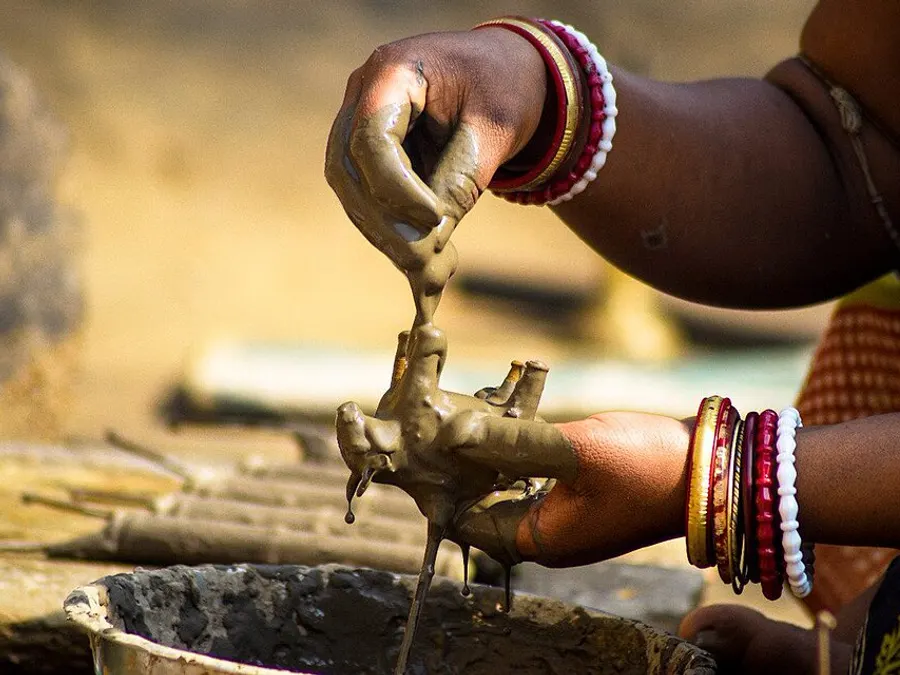
Dhokra Lost-Wax Brass from India sells into the Netherlands primarily on its story: hand-cast in Bastar or Bankura, every piece is one-of-a-kind, ethically produced, and visually distinct from machine-made decor. The market rewards authenticity, fair-trade provenance, and the tribal narrative — Dutch buyers will pay for a documented artisan chain, not volume.
Who buys and what fits the Dutch market
The Netherlands is a redistribution hub for Northern Europe (Germany, Belgium, Scandinavia), so Rotterdam importers often stock wider ranges than purely domestic retailers. Concrete buyer profiles:
- Concept stores and lifestyle boutiques in Amsterdam, Utrecht, Haarlem — they want medium-size tribal figurines (horses, elephants, dancing figures, Ganesha), small diya stands, and incense holders in the €25–€120 retail range.
- Fair-trade and sustainable homeware chains (e.g., stores aligned with Fair Trade principles) — they need documented artisan groups, not anonymous "tribal" claims. Bastar and Bankura clusters with EPCH-traceable supply work well.
- Museum shops and cultural gift stores (Rijksmuseum shop, Tropenmuseum) — interested in pieces with a clear story and authentic GI provenance.
- Independent jewelry designers sourcing raw or finished Dhokra pendants, bangles, and earrings — but the REACH nickel-release limit (0.2 µg/cm²/week for prolonged skin contact) must be documented before you ship skin-contact jewelry.
Skip overtly shamanic or ritual masks unless you have a specific buyer — Dutch retailers are cautious on tribal imagery that could read as appropriation or "exotic" without context.
Export mechanics from India
- IEC is mandatory and issued by DGFT; keep it active (no annual return issues).
- GST LUT (Letter of Undertaking, RFD-11) on the GST portal lets you export without paying IGST, and you'll claim IGST refund on input. File before your first shipment of the financial year.
- EPCH RCMC is the right council for Dhokra — handicraft falls under the Export Promotion Council for Handicrafts, not EEPC. EPCH membership also unlocks market-access benefits and MAI funding for European trade fairs like Ambiente.
- Shipping bill filed on ICEGATE in LEO/FOB terms; FOB India is standard. The likely HS code is 7419.99 (other articles of copper) — confirm with your CHA, since some finished decorative pieces get classified under 8306.29.
- Claim RoDTEP benefits on the shipping bill itself; the drawback is scrip-based and gets updated centrally.
- FOB ports: Nhava Sheva (JNPT) has the most direct, frequent services to Rotterdam; Mundra is a good alternative on the west coast with reliable Maersk/MSC rotation to Europe.
Shipping, lead time, and Dutch customs
- Sea (LCL/FCL) Mumbai–Rotterdam: roughly 18–25 days port-to-port; LCL suits first orders (5–15 CBM). Direct services via Maersk ("AE7/AE9" strings), MSC, CMA CGM.
- Air (BOM or DEL–AMS): 3–5 days. Worth it for high-value jewelry shipments or urgent restocks under 100 kg.
- Your Dutch buyer must hold an EORI number and is the importer of record. They will clear via Douane (Belastingdienst / Dutch Customs) and pay import VAT (Dutch rate 21%, with reduced 9% for some cultural/art objects — buyer must confirm the tariff line and any cultural-goods relief with Douane directly).
- Compliance to check: REACH (nickel, lead, cadmium) for jewelry and skin-contact items; CE marking is not required for purely decorative craft, but if any item doubles as a candleholder or lamp, low-voltage electrical safety applies. Verify current thresholds with Douane and RIVM, since EU rules are revised.
MOQ, pricing, samples, and quality
- MOQ is flexible because each piece is unique — most Dutch boutiques start with a curated mix of 30–80 pieces in their first trial shipment, valued around €2,000–€6,000 FOB.
- Quote in USD/FOB per piece, with tiered pricing by size and complexity. Include a 2–3% breakage allowance; lost-wax pieces vary slightly in dimension.
- Samples: send 3–5 representative pieces by air or courier (DHL/FedEx) at cost; allow €15–€40 freight. Many EPCH clusters arrange paid video calls with the artisan cluster — Dutch buyers value this.
- Quality and GI: mention Bastar Dhokra (GI registered) or Bankura craft origin on packaging and invoice line descriptions. GI language is a pricing lever, not just a label. Insist on consistent patina, no sharp casting flash, and stable bases for figurines (Dutch retailers reject wobbly pieces).
Bottom line
Match Dhokra's one-of-a-kind, story-rich character to Dutch concept stores and fair-trade buyers rather than chasing volume. Get the GST LUT, EPCH RCMC, and shipping bill right, ship FOB Nhava Sheva to Rotterdam, and let your importer handle Douane clearance and REACH checks. Build the order around curated batches, not bulk runs — that's where the margin lives.
FAQ
What is the correct HS code for exporting Dhokra (lost-wax) brass craft items from India to the Netherlands?+
Dhokra brass articles are generally classified under HS code 7419 (other articles of copper) or 8306 (decorative articles of base metal), and exporters should confirm the exact sub-heading with their CHA based on the specific product description to ensure correct Dutch customs treatment.
What export documentation is required to ship Dhokra brass handicrafts from India to the Netherlands?+
Shippers need a commercial invoice, packing list, bill of lading or airway bill, certificate of origin (under the India–EU trade framework, GSP-related Form A may apply for reduced duties), IEC code, and an AD Code registration with the customs port; since Dhokra is a non-perishable handicraft, no phytosanitary or CITES clearance is required.
Get an export quote for the Netherlands
One RFQ reaches verified Indian dhokra lost-wax brass exporters — with MOQ, FOB pricing, and lead time to the Netherlands.
Request a quote →