Export Jute & Natural Fibre from India to Australia
Exporting Jute & Natural Fibre from India to Australia: buyer demand, IEC/GST/EPCH mechanics, freight, Australia customs, MOQ and pricing — with verified Indian…
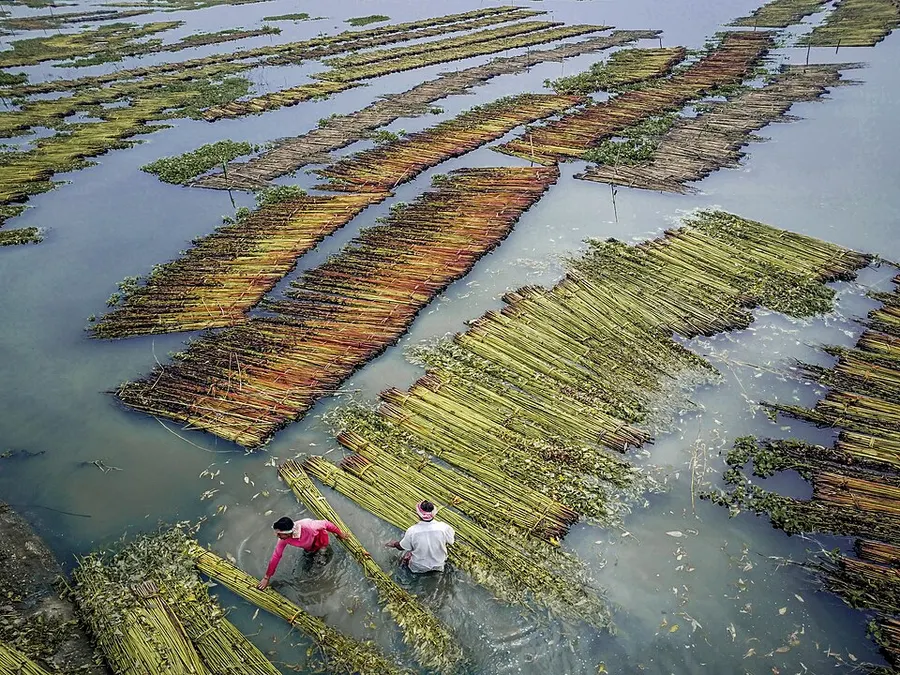
Jute and natural fibre exports to Australia are viable but hinge entirely on meeting Australian biosecurity rules — every shipment must be clean of soil, seeds and stored-product pests, with treatment paperwork in order. The right product mix (eco bags, baskets, rugs, hessian homeware) sells well through Australia's eco-retail and café channels if the paperwork is clean.
Who buys Jute & Natural Fibre in Australia and what product fits
Australia's jute market is small but premium-positioned, anchored by eco-conscious consumers in Sydney, Melbourne and Brisbane. The serious buyers are:
- Eco homeware retailers (chains like Biome, plus independent stores in inner-city suburbs) wanting jute rugs, baskets, pouffes, table runners and storage bins.
- Cafés, restaurants and wineries sourcing hessian table runners, bread baskets, decorative sacks.
- Wellness and yoga brands for mat bags, meditation cushions, props.
- Garden centres and nurseries for hessian rolls, planter sacks, tree wraps.
- Fair-trade wholesalers for trays, coasters, lampshades with jute accents.
Reusable jute totes are a strong fit because most Australian states have lightweight-plastic bans — retail and corporate-gifting buyers both source them actively.
Export mechanics from India
You'll need:
- IEC (10-digit Import Export Code) from DGFT — the first, mandatory step.
- GST LUT (Letter of Undertaking, form RFD-11) on the GST portal to zero-rate exports; otherwise refund IGST later.
- RCMC from EPCH (Export Promotion Council for Handicrafts) — finished jute handicrafts fall under EPCH's domain, unlocking schemes, market intel and event access.
- Shipping bill filed on ICEGATE at the port of export, with correct "free of cost" / "free of repair" tagging for replacements.
- RoDTEP to claim remission on embedded duties.
Typical FOB ports: Mundra and Nhava Sheva for standard containerised cargo. Kolkata/Haldia is a legitimate option since West Bengal is India's jute belt, and shorter inland runs can offset slightly higher sea-freight rates.
Shipping & Australian border compliance
Sea transit to Sydney, Melbourne or Brisbane is roughly 18–25 days from Indian west-coast ports. On the origin side, pallets and dunnage must be ISPM-15 compliant (heat-treated or methyl-bromide, properly marked) — Australian inspectors are strict on this.
On the destination side:
- Australian Border Force handles customs classification, applicable duty and the 10% GST. Verify the working tariff on the ABF website — chapter 46 (plaited articles), 53 (vegetable textile fibres) or 57 (textile floor coverings) is typical, but classify each SKU.
- Department of Agriculture, Fisheries and Forestry (DAFF) administers biosecurity. Every natural-fibre line item must be checked against the BICON database before you cut a purchase order. Expect heat-treatment (56°C / 30 min) or methyl-bromide certificates, plus a cleanliness declaration.
- Finished, treated goods clear far more smoothly than raw fibre, loose jute or used hessian sacks, which attract heightened inspection and possible re-export.
MOQ, pricing, samples & quality
For handicraft jute, realistic MOQs sit at 200–500 pieces per SKU for bags and rugs, lower for small accessories. Offer two to three colourways per style. Samples should always be paid (courier via DHL/FedEx), with cost recovered against the first purchase order.
Indicative FOB India price bands: a finished jute tote USD 2.20–4.50 wholesale depending on size and print; jute rugs USD 6–18 per piece. Build in 8–12% margin to cover sample costs, pre-shipment inspection and fumigation.
Quality points specific to jute heading to Australia:
- No chemical or kerosene smell — some cheap Indian jute is softened with hydrocarbon oils that fail biosecurity and consumer testing.
- Even weave, no loose fibres, no fraying at seams.
- Azo-free, low-metal dyes only; keep mill test reports on file.
- Some West Bengal jute products carry registered GIs — verify on the Indian GI registry before claiming premium pricing.
Bottom line
Jute to Australia works for finished, well-finished, certified-clean homeware and bags — not raw fibre or used sacks. Lock biosecurity conditions through BICON, register with EPCH, and treat all packaging wood to ISPM-15 before the first container leaves India.
FAQ
What are the biosecurity requirements for importing jute and natural fibre products from India to Australia?+
All natural fibre imports must comply with Australia's Biosecurity Act 2015 and require a valid Phytosanitary Certificate from India's Plant Quarantine authority. Jute and other natural fibres may need to be treated, cleaned, or free from soil, seeds, and plant debris, and consignments are subject to inspection by the Department of Agriculture upon arrival.
What documents are required to export jute and natural fibre from India to Australia?+
Key documents include a Commercial Invoice, Packing List, Bill of Lading or Airway Bill, Certificate of Origin (issued by the relevant Chamber of Commerce), and a Phytosanitary Certificate. Importers in Australia must also lodge a Full Import Declaration through the Integrated Cargo System and may need an import permit if the fibre is for processing or end-use.
Get an export quote for Australia
One RFQ reaches verified Indian jute & natural fibre exporters — with MOQ, FOB pricing, and lead time to Australia.
Request a quote →