Export Leather Handicraft from India to Australia
Exporting Leather Handicraft from India to Australia: buyer demand, IEC/GST/EPCH mechanics, freight, Australia customs, MOQ and pricing — with verified Indian…
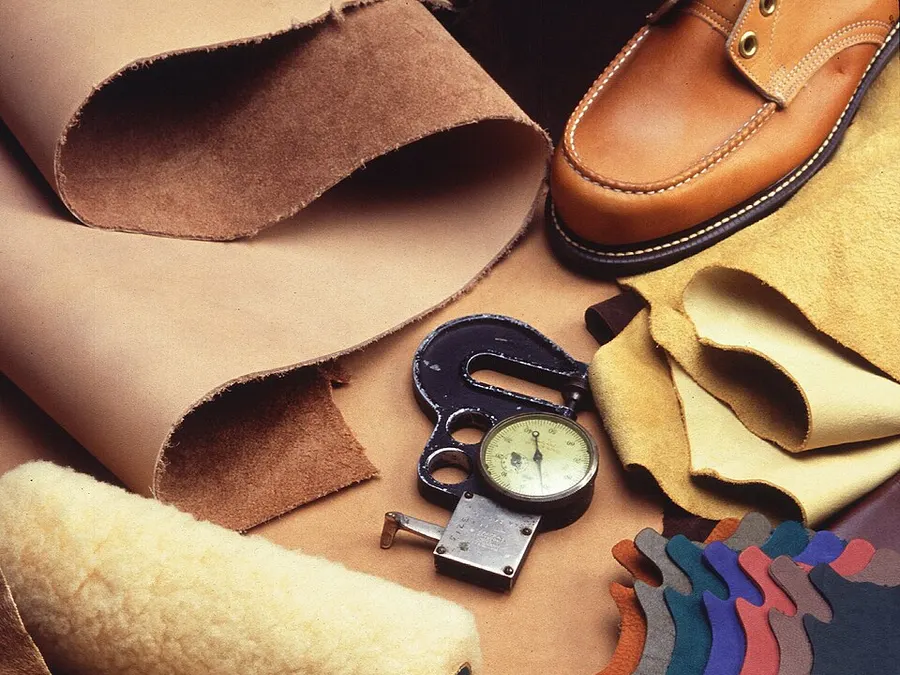
Australia imports Indian leather handicraft primarily for boutique gifting, the equestrian/ranch lifestyle, and OEM accessories, where handtooled journals, belts, and small bags fit the price-and-aesthetic sweet spot. The make-or-break compliance hurdle is Australian biosecurity on wooden gift boxes and natural-fibre packaging, not the leather itself.
Who buys Leather Handicraft in Australia and what product fits that market
Australia is a leather-aware market with deep saddlery and outback culture (polo, campdrafting, stockmen), so handtooled belts, knife rolls, saddle bags, and wallets resonate with rural and lifestyle buyers. Urban demand sits in boutique gifting and stationery — A5/A6 handtooled journal covers, pen rolls, passport holders, and travel wallets — where India's hand-finish is a differentiator against mass-market leather. Premium stockists such as Sydney's Strand Arcade boutiques, David Jones, and resort/concept stores take private-label and OEM accessories (card holders, key fobs, watch straps) in larger runs. Two practical filters: avoid Aboriginal-style motifs in tooling (cultural sensitivity is taken seriously), and confirm any "Australian-native" leather (kangaroo, emu) sourcing story with the buyer before quoting.
Export mechanics from India
Get the basics in order: an Import Export Code from DGFT, a GST LUT filed online on the GST portal for zero-rated export supply, and EPCH (Export Promotion Council for Handicrafts) membership with an RCMC, which unlocks drawback, RoDTEP scrip, and market-assistance programs. File the shipping bill on ICEGATE and select a realistic LEO (let export order) date; keep the invoice, packing list, and LUT acknowledgment on file for GST audit. Major leather clusters ship from Nhava Sheva (JNPT) and Chennai (Tuticorin also handles southern output), with Mumbai Air Cargo and Chennai Air Cargo used for samples and small consignments. INCOTERMS: FOB India is standard for established buyers; some Australian importers will ask for DDP, which pushes customs brokerage and biosecurity cost to you.
Shipping, lead time, and Australian compliance
Sea transit to Melbourne, Sydney, or Fremantle is roughly 18–25 days from Nhava Sheva or Chennai; air freight is 2–4 days and worth it for samples or first re-orders. On the Australian side, Australian Border Force clears customs while the Department of Agriculture, Fisheries and Forestry (DAFF) enforces biosecurity through the BICON (Biosecurity Import Conditions) database — check BICON for every SKU before production, not after. Fully tanned leather is fine; the problem is packaging: any wooden gift box, wooden hanger, knife block, or palm-straw/jute wrap can be detained, so use ISPM 15-marked wooden packaging or switch to treated cardboard. The India–Australia Economic Cooperation and Trade Agreement (ECTA), in force since December 2022, gives preferential duty treatment to most leather goods, but you must obtain a Certificate of Origin from a designated Indian issuing agency to claim it. GST applies at the border on taxable imports — verify current thresholds and low-value rules with ABF or a licensed broker rather than assuming a figure. Under the Australian Consumer Law (ACCC), "genuine leather" or "full-grain" claims on hangtags must be accurate.
MOQ, samples, pricing, and quality notes
Handtooled lines run 50–200 pieces per design; OEM accessories 500+ per style. Allow 3–4 weeks for a tooling sample plus a week for express courier, and charge for samples (refundable on order) — tooled dies are your real cost. Indicative FOB India ranges: A5 journal cover USD 18–35, handtooled belt USD 12–25, weekender/duffle USD 25–60; freight and ECTA preference typically let you land under comparable Australian-made retail. Specify full-grain or vegetable-tanned hides in the buyer's spec sheet, lock finish and edge-paint codes, and insist on consistent photo sampling for repeat orders. GI tags are limited at the broad "leather" level, but cluster-specific registrations exist (e.g., Kanpur and Chennai leather groups, certain Jaipur tagged products) — verify on the Indian GI registry before claiming.
Bottom line
Indian handtooled leather has a defensible lane in Australia's equestrian, boutique, and corporate-gifting segments if you control finish consistency and lead times. Win biosecurity by using ISPM 15-marked wooden packaging and checking BICON per SKU, and use ECTA with a Certificate of Origin to stay price-competitive against local and Italian makers.
FAQ
What biosecurity rules apply to importing leather handicrafts from India into Australia?+
All consignments must be declared to the Australian Department of Agriculture, Fisheries and Forestry, and goods containing raw or partially-tanned animal skins may require a fumigation or treatment certificate. Fully-finished, tanned leather items typically clear biosecurity with minimal intervention after inspection.
Is there a preferential trade agreement between India and Australia that benefits leather handicraft exporters?+
Yes, the India–Australia Economic Cooperation and Trade Agreement (ECTA), in force since December 2022, allows eligible goods to enter at reduced or zero customs duty, provided the exporter obtains a valid Certificate of Origin and the product meets the relevant rules of origin under the agreement.
Get an export quote for Australia
One RFQ reaches verified Indian leather handicraft exporters — with MOQ, FOB pricing, and lead time to Australia.
Request a quote →