Export Leather Handicraft from India to Germany
Exporting Leather Handicraft from India to Germany: buyer demand, IEC/GST/EPCH mechanics, freight, Germany customs, MOQ and pricing — with verified Indian exporters.
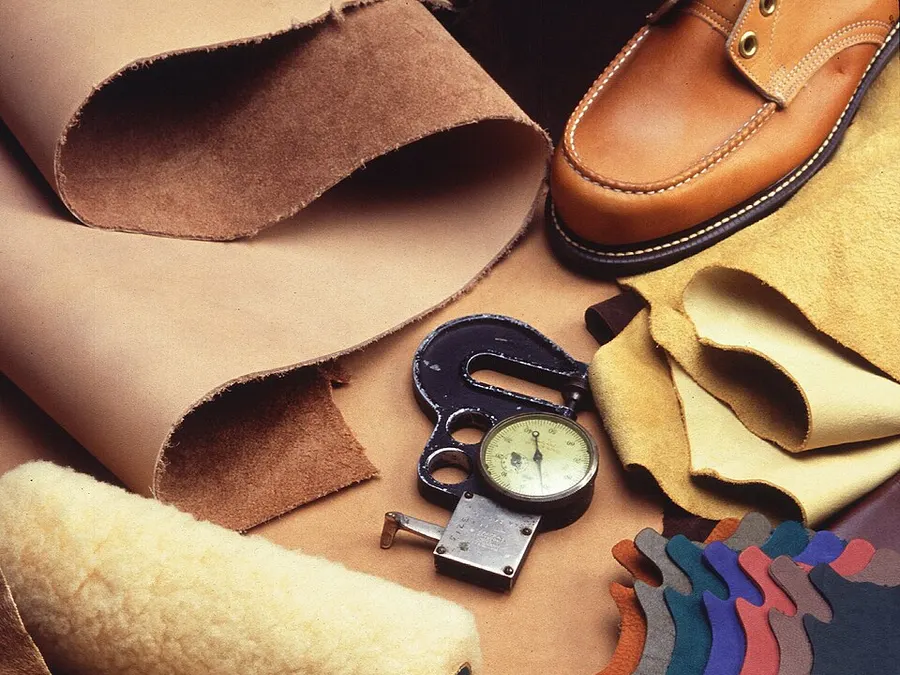
Who buys leather handicraft in Germany and what fits
German buyers are quality- and sustainability-driven, not volume-driven. The realistic customers for Indian handtooled leather are independent concept stores in Berlin, Munich, and Hamburg; museum and heritage shop buyers; corporate gifting houses sourcing for luxury automotive, watch, and wine clients; equestrian and saddlery shops looking for a South Asian craft story; and small-batch sustainable fashion brands that need vegetable-tanned or chrome-free SKUs for capsule collections. What travels well: handtooled A5 journals and guest books, slim card holders, belts, and small box bags in full-grain or vegetable-tanned buffalo/cow leather. What rarely travels: bright painted motifs, very large tote bags, and synthetic-coated "faux" lines — German buyers read these as tourist-grade. Origin-marked collections with named artisan, tannery, and district (Rajasthani tooled, Kanjeevaram leather, Saddler heritage from Kolhapuri-style tanneries) sell better than anonymous OEM pouches. B2B is dominant; D2C to German consumers is realistic only via Etsy, Amazon.de, or a localized Shopify with German-language listings, EPR packaging registration, and a German returns address.
Export mechanics from India
You need an IEC from DGFT (mandatory for any commercial shipment), GST registration with an active Letter of Undertaking for export zero-rating, and an EPCH (Export Promotion Council for Handicrafts) RCMC — EPCH issues the Certificate of Origin and runs the Indian Handicrafts and Gifts Fair where German buyers actually source. Shipments move under Shipping Bill filed at the port; the standard HSN chapter for finished leather goods is 4202 (bags, cases) and 4205 (other articles of leather); rawhides sit under 4104–4107. Use FOB India Incoterms unless a German buyer insists on DDP through their broker. Origin loading ports: Nhava Sheva (JNPT) and Mundra feed direct liner services to Hamburg and Bremerhaven; Chennai and Kolkata handle some saddle and equine-grade consignments. Don't claim RoDTEP benefits on goods made from restricted or wild skins — see the next section.
Shipping, lead time, and German compliance
Sea LCL from Nhava Sheva to Hamburg typically transits 18–24 days plus 3–5 days for inland handling; air from Delhi/Mumbai is 3–5 days door-to-door and only sensible for journals and small leather goods under 100 kg. German customs clearance goes through the Generalzolldirektion (customs administration) via ATLAS, the EU-wide electronic clearance system. Import duty is calculated on CIF value at the EU Common Customs Tariff; the applicable TARIC code, MFN duty, and any suspension should be confirmed through Access2Markets or the German Zoll tariff tool — do not rely on secondhand rate tables. Three compliance items actually block German buyers: (1) REACH (ECHA) Annex XVII — chromium VI in leather articles is restricted to 3 mg/kg; tannery disclosure and a test report from an ISO 17025 lab (Bureau Veritas, SGS, TUV) is expected; (2) CITES if any exotic skin is used, with a valid export permit from the Indian CITES Management Authority; (3) EU EPR for packaging registration in Germany (LUCID) before goods can be sold to consumers. CE marking is not required for plain leather goods but is mandatory if the article has an electrical component (e.g., illuminated journal).
MOQ, pricing, samples, and quality notes
German buyers rarely accept MOQs above 50–100 units per SKU for a first order and want a price ladder (50 / 250 / 1,000). FOB India per-piece on handtooled journals typically lands in the EUR 18–40 wholesale range; small bags EUR 25–70. Charge for samples at cost plus courier (DHL/FedEx 4–6 days to DE) and credit the sample cost against the first PO — German buyers expect this and treat free samples as a red flag. Send a pre-shipment inspection report (SGS / Intertek) and the REACH test certificate with each commercial invoice. For genuine Kanjeevaram or Kolhapuri craft, register a Geographical Indication application or source from an existing GI holder and include the GI tag on hangtags — German heritage buyers and museum shops will pay a clear premium for verified provenance and the supporting documentation.
Bottom line
Indian leather handicrafts sell in Germany when they carry a verifiable craft story, REACH-compliant tanning, and clean documentation — not when they compete on price. Get the IEC, GST LUT, and EPCH RCMC in place, ship FOB Nhava Sheva or Mundra by sea, and confirm duties and EPR via the German Zoll / Access2Markets tools before quoting. The orders are smaller than commodity markets, but the margins and repeat business are real.
FAQ
What certifications and documents are required to export leather handicrafts from India to Germany?+
Exporters typically need a Certificate of Origin, commercial invoice, packing list, shipping bill, and a fumigation certificate for wooden packaging. Additionally, leather goods must comply with EU REACH regulations for chemical content, and if exotic hides are used, a CITES permit is mandatory.
Are there any restrictions on the type of leather or materials used in handicrafts exported to Germany?+
Germany follows strict EU regulations under REACH (Registration, Evaluation, Authorisation and Restriction of Chemicals), which restricts the use of certain azo dyes, heavy metals like lead and cadmium, and formaldehyde in leather products. Handicrafts containing reptile, crocodile, or other exotic animal skins require valid CITES documentation, while finished leather goods must pass conformity assessments before customs clearance.
Get an export quote for Germany
One RFQ reaches verified Indian leather handicraft exporters — with MOQ, FOB pricing, and lead time to Germany.
Request a quote →