Export Leather Handicraft from India to the UK
Exporting Leather Handicraft from India to the UK: buyer demand, IEC/GST/EPCH mechanics, freight, the UK customs, MOQ and pricing — with verified Indian exporters.
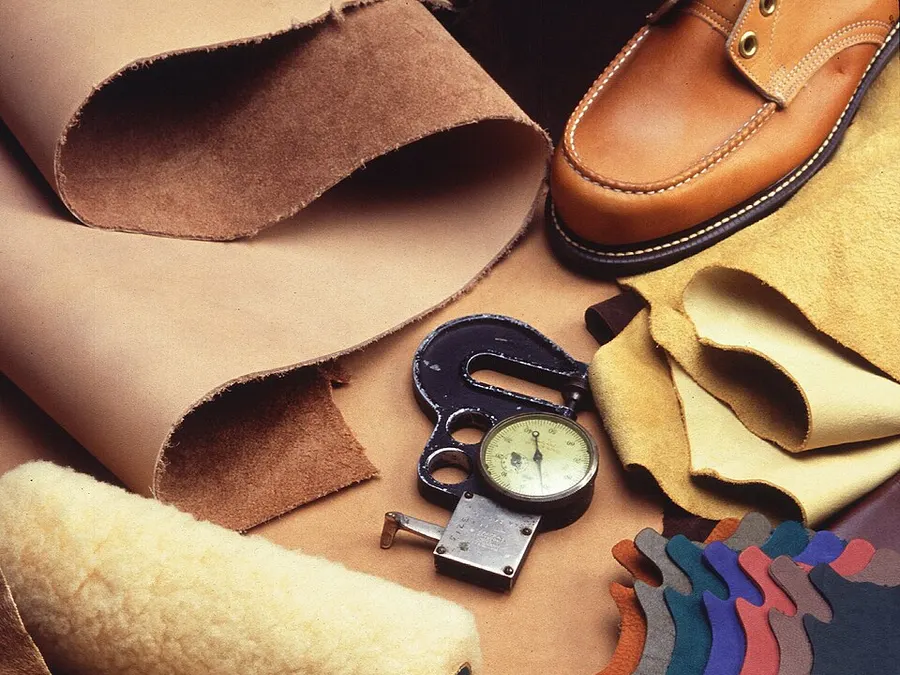
UK buyers in the heritage, equestrian, and home-lifestyle space actively source handtooled leather from India — bags, journals, belts, and small accessories — because Indian artisans deliver the embossed, vegetable-tanned aesthetic that British retailers command premium margins on. Shipments clear via standard sea cargo to Felixstowe or Southampton, with HMRC handling import duty and VAT; you should expect full documentary scrutiny on first consignments.
Who buys Leather Handicraft in the UK and what product fits
Your realistic buyer list in the UK: country-lifestyle chains (e.g., the Holland & Barrett / Lakeland / Joules tier), independent stationery boutiques for leather journals and folios, menswear outfitters wanting belts and cardholders, equestrian and country-sports retailers, museum and heritage gift shops, and private-label/OEM accessories brands supplying corporate gifting. Product fit: handtooled totes and satchels, A5/A6 leather journals with cotton-rag paper inserts, embossed belts, folios, watch rolls, and small home goods like coasters and waste-paper bins. Avoid mass-market fast-fashion leather in this lane — UK buyers want the visible craft. For OEM work, lead with vegetable-tanned full-grain cowhide; the UK consumer is sceptical of PU-coated "bonded leather" and increasingly wary of heavily chrome-tanned goods with poor finishing.
Export mechanics from India
You need an IEC (10-digit DGFT code), and since UK is treated as a regular foreign destination post-Brexit, you can export under a Letter of Undertaking (LUT) to zero-rate IGST. Get an RCMC from the Council for Leather Exports (CLE) — this is the primary EPC for finished leather goods, even if EPCH also touches handicraft categories. The shipping bill is filed at the port of export; the most common FOB routings for leather handicraft are Nhava Sheva (JNPT) and Mundra, with Chennai competitive if your maker is in Tamil Nadu. Claim RoDTEP on the shipping bill, IGST refund (if you didn't file LUT), and duty drawback under the leather goods industry rate. Pre- and post-shipment export finance works the same as other destinations.
Shipping, lead time, UK customs/duty/compliance
Sea freight Nhava Sheva → Felixstowe or Southampton runs roughly 22–30 days door-to-door, with Mumbai–London air freight at 5–7 days for samples and replenishment. UK import duty is assessed by HMRC (verify the live UK Global Tariff rate against your HS code 4202 for bags or 4205 for other articles of leather), and 20% VAT applies on the CIF+ duty value. Critical compliance: UKCA marking is not mandatory for most leather hand goods (UKCA applies mainly to toys, electricals, PPE), but UK REACH (restrictions on azo dyes, chromium VI, lead, cadmium, formaldehyde in leather) absolutely is — provide a test certificate from an Indian lab like SGS or TUV. If your piece uses exotic skins (crocodile, snake, ostrich), you'll need CITES Appendix-II permits from the exporter and a corresponding UK CITES import permit. Origin marking ("Made in India") is required.
MOQ, pricing, samples, quality/GI notes
For independent UK buyers, MOQ is 50–100 units per style; large retailers like John Lewis tier-1 suppliers may push 300–500. Quote FOB India in USD with a 25–40% margin over landed cost, and remember UK buyers expect NET 30–60 days, not the shorter Indian terms. Samples: send 3–5 pieces by air (₹4,000–₹8,000 shipping to London is normal) and invoice at 2x cost, refundable on order. Quality checklist for this market: full-grain or top-grain veg-tan, hand-stitched saddlery thread, nickel-free antique brass hardware, REACH-compliant dye, and edge-burnished (not painted) finish. There is no GI tag for handtooled leather handicraft yet — but if you're from a recognised cluster (Kolkata embossed work, Kanpur saddlery, Rajasthan camel-craft), state the origin on your marketing and invoices; UK heritage buyers respond to provenance.
Bottom line
Leather handicraft into the UK is a craftsmanship-led lane, not a price-led one — win on visible handtooling, REACH compliance, and veg-tan finishing. File under CLE's RCMC, ship FOB Nhava Sheva or Mundra, and budget 22–30 days sea to Felixstowe with HMRC clearing on standard documents. Get your REACH and CITES (if applicable) paperwork right before the first PO, not after.
FAQ
What documents are required to export leather handicrafts from India to the UK?+
Exporters typically need a Commercial Invoice, Packing List, Bill of Lading or Airway Bill, Certificate of Origin from a recognised Indian Chamber of Commerce, a Shipping Bill filed with Indian Customs, and a valid Import Export Code (IEC) from the DGFT. Additionally, goods made from exotic or restricted leathers may require a CITES export permit.
Do Indian leather handicrafts qualify for any preferential duty rates in the UK?+
Yes, under the India-UK Comprehensive Economic and Trade Agreement (CETA), eligible Indian-origin leather goods may benefit from reduced or zero UK import duties, provided a valid Certificate of Origin is issued and the product meets the agreement's rules of origin criteria. The exact applicable rate should be confirmed using the UK Trade Tariff tool on gov.uk.
Get an export quote for the UK
One RFQ reaches verified Indian leather handicraft exporters — with MOQ, FOB pricing, and lead time to the UK.
Request a quote →