Export Leather Handicraft from India to the USA
Exporting Leather Handicraft from India to the USA: buyer demand, IEC/GST/EPCH mechanics, freight, the USA customs, MOQ and pricing — with verified Indian exporters.
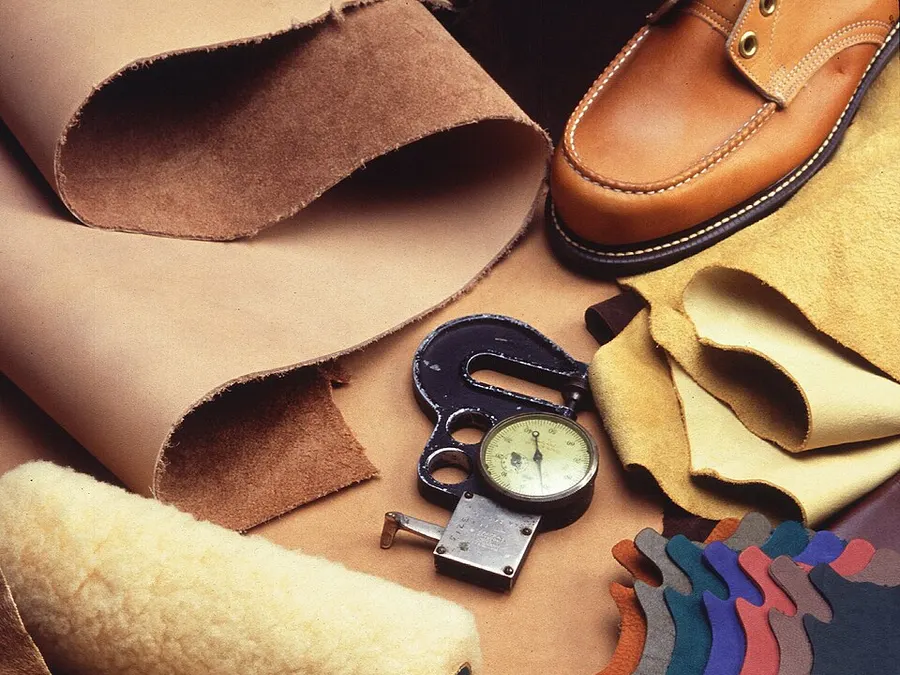
Indian leather handtooled bags, journals, and small accessories sell well in the US boutique and gifting channel because they sit at the intersection of "handmade," "personalized," and "affordable luxury." Most Indian exporters can ship compliantly if they lock down IEC, EPCH membership, and US safety paperwork (CPSIA for kids' items, Prop 65 for chemistry) before the first container.
Who buys Leather Handicraft in the USA and what product fits
- Boutique lifestyle stores and museum gift shops: small handtooled totes, crossbody bags, embossed journals, and belts. Average order values $3,000–$15,000 per SKU run.
- Equestrian and Western retail: handtooled wallets, card holders, knife sheaths, belts with conchos. These buyers want vegetable-tanned leather and consistent dye lots.
- Corporate gifting and private label/OEM: monogrammed journals, laptop sleeves, passport covers, watch boxes. This is the highest-volume route but demands strict pantone and finish matching.
- Online craft marketplaces and indie brands: smaller, faster-moving orders; expect 50–300 units per style.
- Home décor importers: leather-trimmed trunks, poufs, magazine holders, photo frames. Larger, fragile, more packaging-sensitive.
Avoid shipping exotic-skin (crocodile, snake, lizard) items to the US without confirming CITES permits through the US Fish and Wildlife Service, as seizure risk is real.
Export mechanics from India
- IEC (Import Export Code): 10-digit code from DGFT, mandatory on the shipping bill.
- EPCH membership and RCMC: the Export Promotion Council for Handicrafts issues the Registration-Cum-Membership Certificate used to claim FTP benefits and access EPCH trade shows like IHGF Delhi Fair.
- GST: file a Letter of Undertaking (LUT) on the GST portal to export under bond/LUT without paying IGST; this zero-rates the supply.
- Shipping bill: filed at the port through ICEGATE; use the right HS code (4202 for bags/wallets, 4203 for apparel like belts, 4205 for other articles). Incorrect classification is the single biggest cause of US customs holds.
- Ports: FOB Nhava Sheva (JNPT) and Mundra handle most leather shipments to the US, with direct sailings to Newark, Savannah, Houston, and Los Angeles. Chennai also works for east-coast routings via transshipment.
Shipping, lead time, and US compliance to verify
- Sea (FCL): 25–35 days to US East Coast, 35–45 days to US West Coast from Nhava Sheva/Mundra. LCL is fine under 12 CBM but increases per-unit cost by 15–25%.
- Air: 3–5 days, used for samples, rush replenishment, and high-value pieces above ~$80/unit retail.
- US Customs and Border Protection (CBP) classifies under HTSUS, sets duty rates, and may request First Sale valuation. Confirm the exact duty rate and any Section 301 exposure with your US customs broker before quoting.
- CPSIA (Consumer Product Safety Commission): any leather item intended for children under 12 (small journals, coin purses, backpacks) must meet lead-content limits and tracking labels.
- California Prop 65 (OEHHA): chromium VI and certain azo dyes used in leather finishing are listed chemicals; if shipping into California, warnings or compliance testing are typically required.
- CITES: required for reptile, crocodile, and some exotic leathers; verify through USFWS.
MOQ, pricing, samples, and quality notes
- MOQ: 100–250 units per style for handtooled pieces; lower (50) for plain vegetable-tanned goods. OEM private-label MOQs run 300–500.
- Pricing: FOB India for a handtooled leather bag typically lands between $18 and $55 wholesale depending on size, hardware, and tooling complexity. Journals and wallets sit at $4–$18.
- Samples: charge 1.5–2x FOB for custom samples, refundable against bulk order. Air-courier a finished sample, not just a swatch; tooling depth and dye shade read differently on a 5x5 cm chip.
- Quality/GI: pre-shipment inspection by SGS, Intertek, or Bureau Veritas on every container is standard in the US trade. Mention any Geographic Indication (e.g., "Lucknowi chikan leather," if applicable) on the invoice and packaging, and keep dye-batch records for reorders.
Bottom line
US buyers reward consistency in tooling, finish, and packaging more than novelty. Lock the HS code, EPCH RCMC, GST LUT, and CPSIA/Prop 65 documentation before the first sample ships, and route through Nhava Sheva or Mundra on FOB terms. Build the relationship around 2–3 hero SKUs, not a 200-page catalog.
FAQ
What documents and licenses are required to export leather handicrafts from India to the USA?+
Indian exporters must hold a valid Import Export Code (IEC) from DGFT, register on the ICEGATE portal, and prepare a commercial invoice, packing list, shipping bill, bill of lading or airway bill, and certificate of origin for each consignment. If the handicraft uses exotic or wild animal hides, both an Indian CITES export permit and a corresponding US Fish and Wildlife Service import permit are mandatory.
What import duties do Indian leather handicrafts face when entering the USA?+
US Customs and Border Protection (CBP) applies ad valorem customs duties on leather goods based on the product's HS code classification and the entered value at the port of arrival. Indian goods may qualify for reduced or duty-free entry under specific US preference programs, so exporters should confirm current eligibility and any applicable anti-dumping rules with a licensed customs broker before shipment.
Get an export quote for the USA
One RFQ reaches verified Indian leather handicraft exporters — with MOQ, FOB pricing, and lead time to the USA.
Request a quote →