Export Pashmina & Shawls from India to Australia
Exporting Pashmina & Shawls from India to Australia: buyer demand, IEC/GST/EPCH mechanics, freight, Australia customs, MOQ and pricing — with verified Indian…
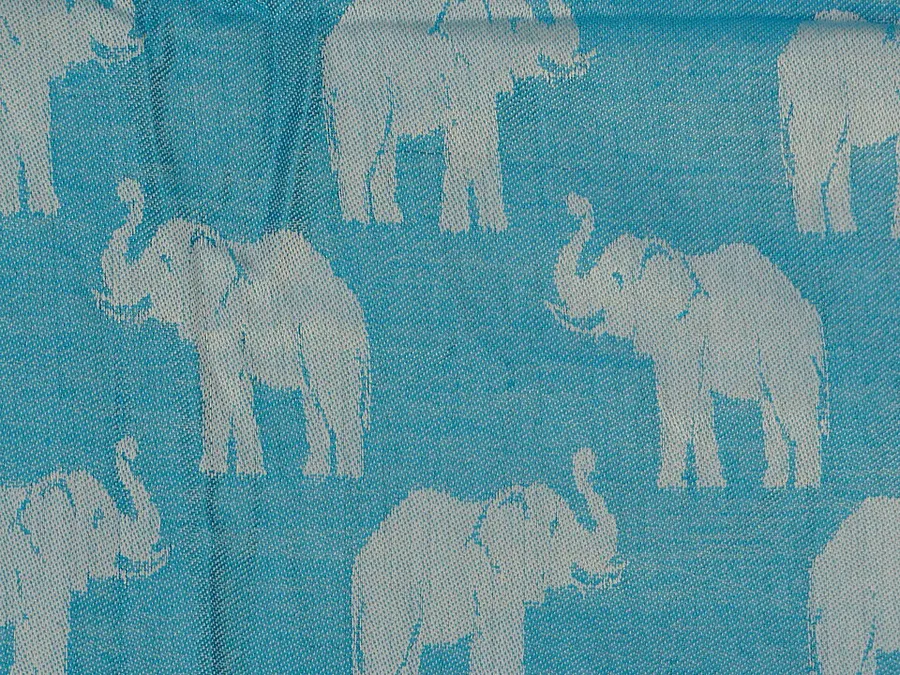
Pashmina and shawls have a viable niche in Australia through South Asian diaspora communities, winter fashion buyers in cooler southern states, and ethical-fashion retailers. The realistic challenge is Australian biosecurity: wool and natural fibres are scrutinised at the border, and the wrong pallet can hold up a container for weeks. Use a freight forwarder experienced in textile imports and verify conditions on BICON before booking.
Who buys Pashmina & Shawls in Australia
The demand splits across three channels:
- Indian and South Asian diaspora concentrated in Sydney (Parramatta, Harris Park), Melbourne (Dandenong, Springvale), and Perth, where Pashmina is a daily-wear and gifting item during cooler months (May–September in the southern states).
- Boutique and slow-fashion retailers in Melbourne (Fitzroy, Carlton), Sydney (Paddington, Newtown), and Adelaide stocking hand-loomed, GI-tagged Kashmir Pashmina as a premium winter layer.
- Resort and cruise wear along with corporate gifting houses in Brisbane and the Gold Coast.
Product fit: pure cashmere pashmina shawls (under 16 microns), fine wool-blend stoles for milder climates, and embroidered (sozni, aari) wraps for the gifting and bridal market. Pure pashmina is a winter product in most of Australia except tropical North Queensland.
Export mechanics from India
- IEC (Import Export Code) from DGFT is mandatory, even for samples of value.
- GST LUT (Letter of Undertaking) on the GST portal lets you export under LUT without paying IGST and without claiming refund — cleaner cash flow than the refund route.
- RCMC with EPCH (Export Promotion Council for Handicrafts) is the relevant council for textile handicrafts and unlocks MAI scheme benefits and the GI support cell.
- Shipping bill is filed at the port of export; FOB Nhava Sheva or Mundra for Australian routes, with Tuticorin useful for some southern shipments.
- RoDTEP scrips on FOB value, and India-Australia ECTA (in force from Dec 2022) gives preferential duty — get a Certificate of Origin (Non-Preferential/Preferential as applicable) from an agency body so the Australian buyer can claim the lower tariff.
Shipping, lead time, and Australian compliance
- Sea freight to Sydney/Melbourne/Fremantle/Brisbane: 20–30 days from Nhava Sheva or Mundra via Singapore or Colombo transhipment. Air freight for samples or re-orders: 3–5 days door-to-door, expensive per kg.
- Biosecurity (the critical bit): the Department of Agriculture, Fisheries and Forestry (DAFF) governs imports through the BICON system. Natural animal fibre products must be clean, free of soil, seeds, hay, and animal material. Wooden packaging (pallets, crates) must meet ISPM 15 — heat-treated or methyl-bromide fumigated, and marked. Non-compliant timber can be re-exported at your cost.
- Customs: the Australian Border Force (ABF) handles duty and the 10% GST. Textile duty lines vary by HS code; under ECTA many lines are reduced or zero — your buyer should confirm the working tariff on the Australian Tariff Book before quoting.
- Labelling: fibre content in English, country of origin "Made in India", and for GI-tagged pashmina the buyer may ask for the GI logo and authenticity card.
MOQ, pricing, samples, and quality
- MOQ for bulk: 50–100 pieces per colour/pattern; for OEM/private label: 200–500 pieces.
- Samples: 2–5 pieces on a proforma invoice, couriered (DHL/FedEx) at buyer cost; serious buyers usually refund against order.
- Pricing: FOB India ranges widely — blended stoles at low double digits USD, pure GI Kashmir Pashmina at USD 80–400+ per piece depending on hand-spinning, hand-embroidery, and micron count.
- Quality notes: insist on fibre-diameter test reports (under 16 microns for pashmina, not "cashmere-blend" misrepresentation), and use the GI mark for "Kashmir Pashmina" only if genuinely hand-spun and hand-woven in Kashmir — misuse is a legal issue under the Geographical Indications of Goods Act and damages your standing in a market where buyers do check.
Bottom line
Australia is a premium, smaller-volume market where GI-tagged Kashmir Pashmina and quality blends earn their place, but the make-or-break issue is biosecurity — verify BICON, treat your timber, and keep fibre shipments spotlessly clean. Pair EPCH membership with the India-Australia ECTA Certificate of Origin to keep the buyer's landed cost competitive, and you'll convert a niche interest into repeat winter-season orders.
FAQ
What documents are required to export Pashmina shawls from India to Australia?+
Exporters typically need a commercial invoice, packing list, bill of lading or airway bill, certificate of origin (to claim preferential duties under the India–Australia Economic Cooperation and Trade Agreement), and a fumigation/disinfection certificate since pashmina is an animal-origin fiber subject to Australia's biosecurity rules.
Which HS code applies to Pashmina shawls and is there any import restriction in Australia?+
Pashmina shawls are usually classified under HS code 6214 (shawls, scarves and the like) or 6117 depending on the knit/woven construction, and Australia requires a valid import declaration through the Integrated Cargo System along with biosecurity clearance for unprocessed or semi-processed animal fiber products.
Get an export quote for Australia
One RFQ reaches verified Indian pashmina & shawls exporters — with MOQ, FOB pricing, and lead time to Australia.
Request a quote →