Export Pashmina & Shawls from India to Canada
Exporting Pashmina & Shawls from India to Canada: buyer demand, IEC/GST/EPCH mechanics, freight, Canada customs, MOQ and pricing — with verified Indian exporters.
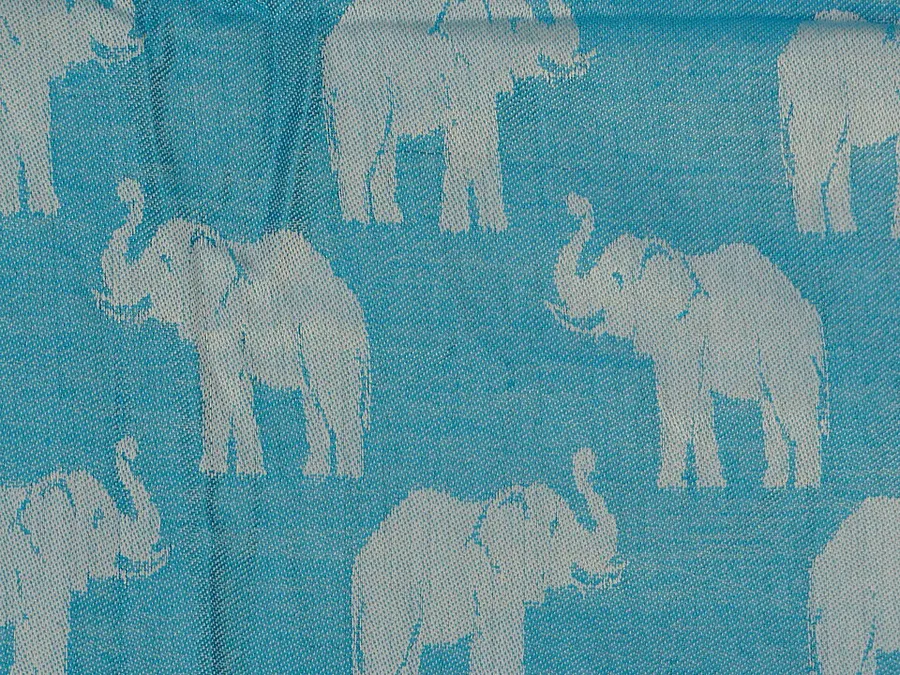
Exporting Pashmina and shawls from India to Canada works best when GI-authentic Kashmir Pashmina and well-priced blends are paired with English-French labelling that meets Canadian textile rules. Demand sits with South Asian diaspora retailers and cold-climate fashion boutiques in Toronto, Vancouver, and Montreal, served FOB from Nhava Sheva or Mundra via Vancouver.
Who buys Pashmina & Shawls in Canada
The largest pull is the South Asian diaspora across Toronto, Vancouver, Surrey, and Brampton — Punjabi, Kashmiri, and Sikh communities buy shawls for weddings, religious functions, and gifting. Mainstream boutiques stock Pashmina as a premium winter accessory; lighter stoles and scarves sell year-round. Product-fit is segmented: pure Pashmina (100% cashmere, GI-tagged) for premium tiers; 70/30 or 50/50 Pashmina-wool blends for mid-market; Pashmina-silk and embroidered (sozni, aari, kani) pieces for festive and bridal buyers; plain solid wraps for volume boutique orders. Canada's cold climate from October to March makes it one of the stronger per-capita cashmere markets in North America — similar buyer profile to the US Northeast, but with a heavier diaspora share.
Export mechanics from India
- IEC from DGFT, active before your first shipment.
- RCMC from EPCH (Export Promotion Council for Handicrafts) — the relevant EPC for shawls; useful for any GI-Pashmina claim and IHGF fair participation.
- Letter of Undertaking (LUT) under GST for zero-rated export — cleaner than paying IGST and refunding later.
- Carry the registered GI tag and authorised-user certificate for Kashmir Pashmina; Canadian premium buyers will ask, and Customs brokers in Canada will use the claim in fibre-content declarations.
- Shipping bill filed at load port under the textile HS code; FOB Nhava Sheva (JNPT) for western India, Mundra for North-India direct routings, and ICD Tughlakabad / Delhi Air for air or northern consolidations.
- Claim RoDTEP on the shipping bill to offset embedded duties.
Shipping, lead time, and Canadian compliance
Sea freight to Vancouver is 28–35 days from West India ports; to Montreal/Halifax add 5–10 days via transhipment. Air is 5–7 days and is reserved for samples, high-value pure Pashmina, and wedding-season replenishments. CBSA (Canada Border Services Agency) handles clearance — don't assume US duty guidance applies. Verify HS classification, MFN duty, and any preferential treatment (GSP or otherwise) directly with CBSA's tariff tools or a licensed Canadian customs broker before quoting landed cost. Bilingual labelling is non-negotiable: the Competition Bureau enforces the Textile Labelling Act and Consumer Packaging and Labelling Act, requiring fibre content and care information in English and French on consumer packaging. Verify any "Cashmere" or "Pashmina" claim against the Competition Bureau's fibre-content guidance before printing cartons.
MOQ, pricing, samples, and quality notes
MOQ for hand-woven pure Pashmina is typically 50–100 pieces per design because of loom time; blended shawls can start at 100–200; OEM private-label usually begins at 200–500. Samples take 2–4 weeks for existing weaves, longer for new kani or sozni development. Send by air with a proper commercial invoice and certificate of origin so buyers can clear samples without surprise duty or label delays. Pricing is FOB India in USD or CAD; factor in GI premium, embroidery cost, and a margin for stockist returns. Quality: insist on fibre-fineness checks, colour fastness, and edge-finish inspection. Carry GI certification for Kashmir Pashmina and a mill test report for any blend you describe as 50%+ Pashmina. Authenticity is the single biggest commercial lever in this market.
Bottom line
Canada is a high-potential Pashmina market driven by diaspora demand and cold-climate fashion, and it rewards sellers who invest in GI-authentic, bilingual-labelled product. Use EPCH, file LUT, ship FOB from Nhava Sheva or Mundra, and verify duty and labelling with CBSA and the Competition Bureau before quoting. Get authenticity and bilingual compliance right, and Canadian buyers come back.
FAQ
What is the correct HSN code for exporting Pashmina shawls from India to Canada?+
Pashmina shawls are typically classified under HSN code 6214 (shawls, scarves, mufflers, mantillas, veils and similar articles). For woven cashmere fabrics used in shawls, HSN 5112 may also apply, and exporters should verify classification with a customs expert before shipping.
What documents and certifications are required to export Pashmina shawls from India to Canada?+
Exporters need an Import Export Code (IEC), GST registration, commercial invoice, packing list, bill of lading or airway bill, and certificate of origin. For genuine Kashmir Pashmina carrying the Geographical Indication (GI) tag, a GI certificate should accompany the shipment to validate authenticity in the Canadian market.
Get an export quote for Canada
One RFQ reaches verified Indian pashmina & shawls exporters — with MOQ, FOB pricing, and lead time to Canada.
Request a quote →