Export Pashmina & Shawls from India to Germany
Exporting Pashmina & Shawls from India to Germany: buyer demand, IEC/GST/EPCH mechanics, freight, Germany customs, MOQ and pricing — with verified Indian exporters.
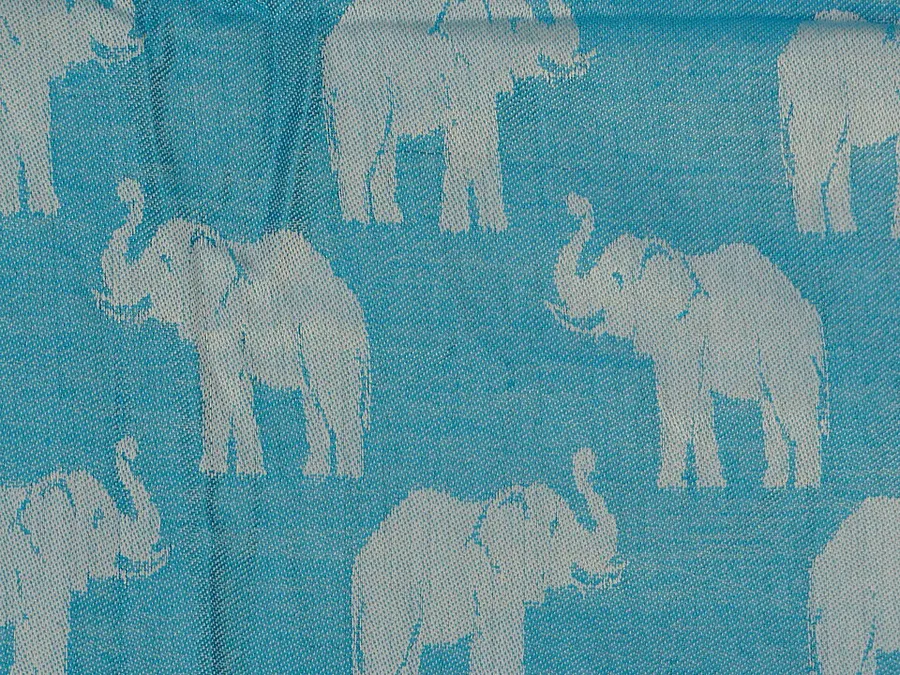
German buyers of Indian Pashmina and shawls sit in three lanes: sustainable/slow-fashion concept stores in Berlin, Hamburg, and Munich (e.g., Zalando-owned sustainable lines, Manufactum-adjacent retailers); mid-luxury fashion houses and museum shops (Kassel, Dresden) that want a credible South Asian story; and B2B wholesalers supplying Tracht and winterwear labels that need wool/pashmina-blend stoles as accessories. Product fit is: certified GI Kashmir Pashmina stoles and wraps (high margin, low volume), 70/30 pashmina-silk woven shawls, wool-acrylic and wool-cashmere blends for volume retail, and OEM private-label scarves for German fashion brands.
Export mechanics from India
- IEC (Import Export Code) from DGFT is mandatory; obtain before the first shipment.
- GST: exports are zero-rated. File a Letter of Undertaking (LUT) on the GST portal for the relevant financial year so you can ship without paying IGST, then claim input tax credit or refund.
- Council & RCMC: register with EPCH (Export Promotion Council for Handicrafts) for handicraft RCMC; also consider TEXPROCIL if you mill-blend or process wool. Pashmina traders also coordinate with the Craft Development Institute (CDI), Srinagar for GI documentation.
- GI protection: "Kashmir Pashmina" is a registered GI in India (classes 23, 24, 25). Use the GI logo only on qualifying hand-spun, hand-woven products from Changthangi fibre; this is your single strongest differentiator in Germany.
- Shipping Bill is filed at the port of export through ICEGATE (customs EDI). For sea, FOB terms are typical; common origins are Nhava Sheva (JNPT), Mundra, and Mumbai air cargo; for air, Delhi (IGI) for Kashmir-origin goods is also used.
- Use HS code 6214 (shawls, scarves, veils); the 6-digit subheading drives the EU duty line. Pair with a Certificate of Origin (non-preferential) and, where applicable, a GI certificate issued by the authorised GI registry.
Shipping, lead time & German compliance
Sea freight to Hamburg or Bremerhaven takes roughly 22–30 days from Nhava Sheva/Mundra; air to Frankfurt or Munich is 3–5 days from Delhi/Mumbai. Plan production lead time of 4–8 weeks for OEM jacquard or handloom runs. Check the EU TARIC database (via the European Commission's Access2Markets portal) for the exact duty line, and verify the rate with Germany's Generalzolldirektion (GZD), the General Customs Directorate, or your German importer's customs broker. India currently benefits from the EU's GSP framework, but the applicable margin of preference depends on the product code — confirm the precise rate before quoting.
Compliance layers German buyers enforce:
- REACH (EC 1907/2006) for dyes and azo-chemicals; keep test reports (e.g., from SGS, Intertek) ready.
- EU Textile Labelling Regulation (EU 1007/2011) — German consumers and the Zoll check fibre-composition labels in German.
- CE marking is not required for finished shawls/stoles; it applies only if you ship a textile product with an electronic or safety component.
- Packaging: Germany's Verpackungsgesetz (LUCID registration) is the importer's job, but expect to be asked for recyclable, plastic-light inner packing.
MOQ, pricing, samples & quality
- MOQ: roughly 50–150 pieces per colour/pattern for genuine handloom Pashmina, 200–500 for blended wool-silk, and 1,000+ for woven wool-acrylic OEM programmes. German brands prefer smaller, well-edited drops over deep inventory.
- Pricing (FOB India, indicative): GI Kashmir Pashmina stoles €35–€120 wholesale depending on ply and embroidery; wool-silk blends €15–€45; wool-acrylic volume scarves €4–€12.
- Samples: charge for samples (cost + courier); offer 2–3 weeks for handloom samples, 7–10 days for mill samples. Use DHL/FedEx and provide a proforma invoice.
- Quality checks: insist on fibre-content testing, pilling (Martindale), and pashmina authenticity (microscopy for cashmere/Pashmina fineness — typically 12–16 microns). Document the GI chain of custody from raw fibre to finished piece; German buyers audit this.
Bottom line
Position genuine GI-tagged Kashmir Pashmina as the hero SKU for German slow-fashion and museum-shop buyers, and use wool-silk or wool-cashmere blends for volume retail. Lock down IEC, EPCH-RCMC, GST LUT, GI paperwork, and the EU TARIC duty line before quoting, and build lead times around 4–6 weeks of production plus ~25 days sea to Hamburg. The German market rewards authenticity, certification, and clean paperwork far more than price — bring evidence, not just product.
FAQ
What documents are required to export Pashmina shawls from India to Germany?+
Key documents include a commercial invoice, packing list, bill of lading or airway bill, certificate of origin, and a GST-registered export invoice. For shipments claiming duty benefits under the EU-GSP scheme, a GSP Form A or statement on origin is required to avail preferential tariff treatment.
Do Pashmina shawls need any special labeling or certifications for the German market?+
Yes, textile products sold in Germany must carry fiber composition labels, country of origin, and care instructions in German or an official EU language as per EU Textile Regulation. For genuine Pashmina, a Woolmark or GI-tagged 'Cashmere' certification from India helps substantiate quality and avoid disputes under German consumer protection laws.
Get an export quote for Germany
One RFQ reaches verified Indian pashmina & shawls exporters — with MOQ, FOB pricing, and lead time to Germany.
Request a quote →