Export Pashmina & Shawls from India to the Netherlands
Exporting Pashmina & Shawls from India to the Netherlands: buyer demand, IEC/GST/EPCH mechanics, freight, the Netherlands customs, MOQ and pricing — with verified…
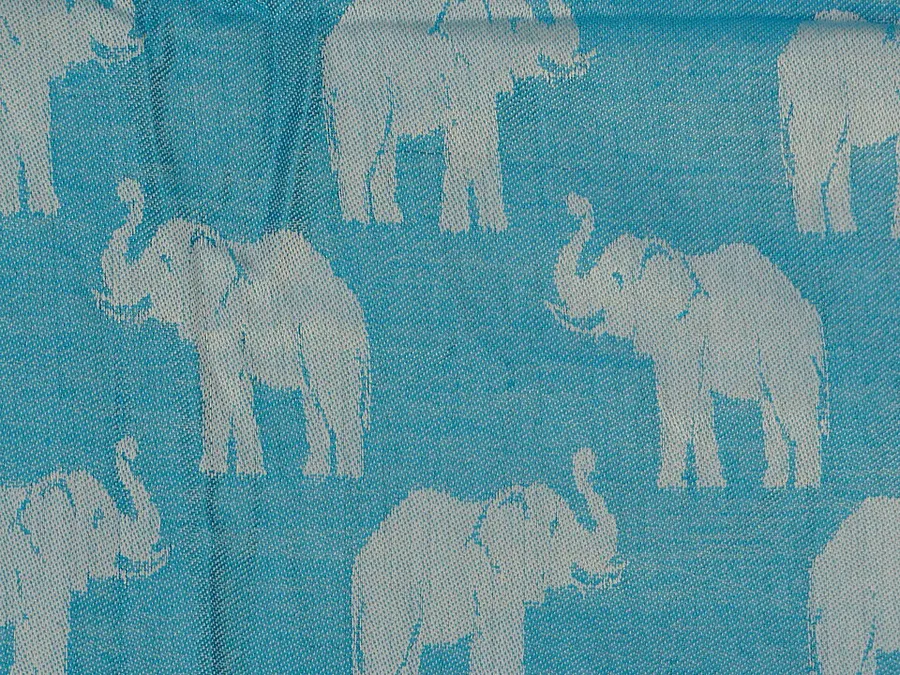
India supplies a meaningful share of EU-bound Pashmina and shawls, and the Netherlands works well as a low-friction landing point for buyers who re-distribute across the bloc. A clean India-to-Rotterdam shipment with EPCH paperwork, correct fiber labels, and verified GI documentation will clear faster and command better pricing.
Who buys Pashmina & Shawls in the Netherlands and what fits
Dutch buyers split into four practical segments: (1) mid-to-high-end fashion boutiques in Amsterdam, The Hague, and Utrecht buying hand-loomed Kashmir Pashmina (70s and finer), Sozni, and Jamawar; (2) sustainable-fashion labels wanting traceable, fair-trade-certified wool/cashmere, often blended with mulberry silk; (3) department-store and e-commerce importers sourcing consistent lots of 60s–70s pashmina stoles in neutral palettes for autumn/winter drops; (4) re-distributors in Rotterdam who re-export within the EU under their own branding and want OEM/white-label options.
What sells: 70s and finer pure cashmere, fine wool-blend shawls, unisex stoles, sizes from 100×200 cm to 200×300 cm. Dutch buyers prefer clean weaves and tonal borders over heavy ornament on menswear-adjacent items.
Export mechanics from India
Get an IEC from DGFT, then register with the Export Promotion Council for Handicrafts (EPCH) for an RCMC - this opens MAI/MEA marketing assistance and helps at the customs desk. File a Letter of Undertaking (LUT) under GST to export under bond without paying IGST; otherwise pay IGST and claim the refund. Genuine Kashmir Pashmina is a registered GI in India - retain the GI-tagged supplier declaration, because Dutch buyers increasingly ask for authenticity proof before placing repeat orders.
For customs, file the shipping bill on ICEGATE under HS 6214 (shawls, scarves, mufflers) or 6117 (knitted accessories). Ship FOB India from Nhava Sheva/JNPT or Mundra by sea, or Delhi by air. Claim RoDTEP on the shipping bill to recover embedded duties.
Shipping, lead time, and NL compliance
Sea: Nhava Sheva/Mundra → Rotterdam, 18–25 days port-to-port plus inland trucking. Air: Delhi → Amsterdam Schiphol, 3–5 days, used for samples and high-value pure-cashmere lots. Rotterdam's bonded warehousing and feeder network make it the cleanest EU entry for onward distribution to Germany, France, and Belgium.
The buyer needs an EORI number. Verify duty, VAT, and any safeguards with Dutch Customs (Douane / Belastingdienst) under the EU Customs Code and Common Customs Tariff; the 9% reduced VAT generally applies to clothing in NL, but confirm the current rate and any textile-specific duties with your forwarder before quoting. Required/expected compliance:
- Fiber composition labels under EU Regulation 1007/2011 (correct textile names, percentages, in Dutch or an official EU language of the member state).
- REACH compliance for dyes and chemical auxiliaries; retain MSDS.
- The General Product Safety Regulation (EU 2023/988) applies; the importer carries product-safety responsibility.
- CE marking is not required for shawls.
MOQ, pricing, samples, and quality/GI notes
For hand-loomed Kashmir Pashmina, plan MOQs of 20–50 pieces per design for boutique buyers and 200–500 pieces for wholesale and e-commerce. Blended and machine-finished stoles can drop to 50–100. FOB India pricing is benchmarked per micron - lower micron means finer fiber and a noticeably higher price; the same 70s grade can swing 30–50% based on handwork and finishing.
Send 2–3 samples per design with third-party fiber test reports (SGS/Intertek) and the GI declaration. Dutch buyers expect lab-confirmed fiber content and often a pre-shipment inspection. If you use the words "Pashmina" or "Cashmere", the product must meet BIS textile labelling rules and the EU equivalent - mid-grade wool mislabelled as cashmere will trigger consumer claims in NL.
Bottom line
Treat the Netherlands as a Rotterdam-led re-distribution hub: secure your EPCH RCMC and GST LUT, file clean shipping bills from Nhava Sheva or Mundra, and ship 70s-grade Kashmir Pashmina with EU 1007/2011 fiber labels and REACH documentation. Dutch buyers pay for authenticity, micron-grade transparency, and reliable FOB delivery - skip the GI proof and the repeat order is gone.
FAQ
What HS code applies to Pashmina shawls being exported from India to the Netherlands?+
Pashmina shawls are generally classified under HS heading 6214 (shawls, scarves, mufflers, mantillas, veils and the like), with the 6-digit subheading 6214.20 typically used for those made of wool or fine animal hair. The exact 8-digit TARIC code declared at the Dutch port of entry determines the applicable EU import duty rate.
What export documents are required to ship Pashmina shawls from India to the Netherlands?+
Mandatory documents include a shipping bill filed through ICEGATE, a commercial invoice, packing list, bill of lading or airway bill, and a certificate of origin. To use the 'Kashmir Pashmina' Geographical Indication label, exporters must also obtain authorization from the registered GI body and affix the prescribed GI logo and hangtag on each piece.
Get an export quote for the Netherlands
One RFQ reaches verified Indian pashmina & shawls exporters — with MOQ, FOB pricing, and lead time to the Netherlands.
Request a quote →