Export Pashmina & Shawls from India to the UAE
Exporting Pashmina & Shawls from India to the UAE: buyer demand, IEC/GST/EPCH mechanics, freight, the UAE customs, MOQ and pricing — with verified Indian exporters.
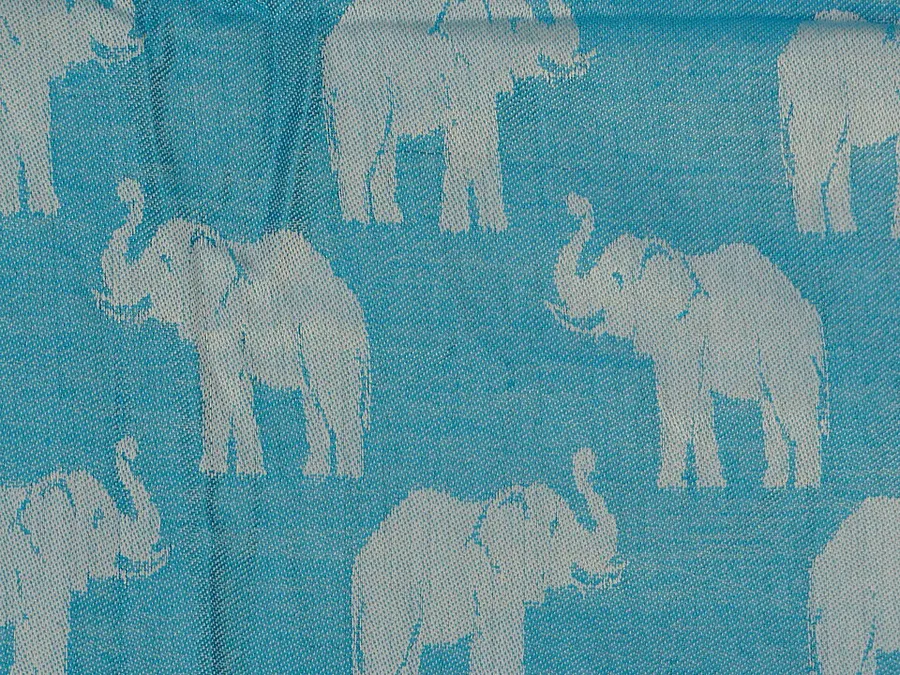
Pashmina and shawls fit the UAE unusually well: modest fashion, air-conditioned indoor wear, and Dubai's tourist gifting market create steady pull for both authentic Kashmir Pashmina and blended/OEM ranges. The smartest shippers pair a GI-authentic premium line for boutiques and hotel gifting with viscose-blended machine-made stoles for souk and souvenir volumes, clearing via Mundra or Nhava Sheva to Jebel Ali with UAE-GSO labelling already on the carton.
Who buys Pashmina & Shawls in the UAE and what product fits
- Luxury retail (Dubai Mall, Mall of the Emirates, Galleria Al Maryah): 100% cashmere shawls and large stoles in solid colours or subtle paisleys, gift-boxed, often with a Certificate of Authenticity. Plain sells better than loud prints.
- Souk and cultural-store souvenir trade (Old Souk, Al Fahidi, desert-resort gift shops): "Made in Kashmir" branded stoles, sozni/aari-embroidered pieces, and gift packaging sized for tourist luggage.
- Modest-fashion boutiques (Karama, Satwa, online pure-players like Ounass and Namshi): oversized square wraps in neutral and seasonal shades, used as shaylas, abaya layers, and AC wraps.
- Hotel and corporate gifting (Eid, conferences, weddings): branded pashmina in rigid boxes at 100–1,000-piece runs.
- Russian and Eastern European tourist wave (Nov–Feb): heavier pure-wool and cashmere wraps — they know the difference and pay for authenticity.
Export mechanics from India
- IEC from DGFT is the first document; a missing IEC halts the shipping bill.
- GST LUT under GST law zero-rates export — no IGST on the export invoice, and you claim input credit refund. Apply on the GST portal before your first shipment of the year.
- RCMC with EPCH (Export Promotion Council for Handicrafts) unlocks MAI/MDA scheme benefits and is the correct EPC for this craft — not the textile EPC.
- Shipping bill is filed on ICEGATE under FOB India (most UAE buyers quote on this basis); the AD-code bank realises the e-BRC. RoDTEP scrips apply and are typically transferred to the buyer's bank.
- HS code is usually 6214 (shawls, scarves, mufflers, mantillas, veils) or 6211 for some tracked suits — confirm with your CHA.
- Ports: FOB Mundra or Nhava Sheva (JNPT) — direct weekly sailings to Jebel Ali; Delhi ICD Tughlakabad works well for Kashmir-origin cargo with inland haulage.
Shipping, lead time, and UAE-side compliance
- Sea: 3–5 days Mundra → Jebel Ali. Air: 1–2 days ex-Mumbai or Delhi, used for samples and high-value pure cashmere.
- UAE customs sits under the Federal Authority for Identity, Citizenship, Customs & Port Security (ICP). Expect a Customs Declaration with HS code, country of origin, and a Certificate of Origin from your EPC.
- Product compliance is governed by MOIAT (the Ministry of Industry and Advanced Technology, which absorbed the older ESMA), aligned with GSO Gulf standards. GSO textile labelling requires fibre content, country of origin, and care instructions in Arabic or bilingual — verify the exact current scope on MOIAT's ECAS portal before you print tags.
- UAE VAT is 5%, charged at import and recovered by the importer. Do not invent duty rates here; confirm the current HS-line tariff with a Dubai clearing agent before quoting DDP.
MOQ, pricing, samples, and quality/GI notes
- MOQ: 50–100 pieces for stocked designs; 200–500 pieces for custom OEM with buyer artwork, embroidery, or branding.
- FOB India indicative ranges: pure Kashmir Pashmina USD 60–300+ per piece (size, micron, embroidery-driven); machine-made viscose/Pashmina stoles USD 8–25.
- Samples: 2–3 pieces, FOB or freight-collect, 7–10 days including embroidery. Charge for customised samples; refund against bulk order.
- GI "Kashmir Pashmina" (GI No. 47): use the name only on genuinely GI-eligible fibre and craft; attach a GI-authorised authenticity card for the premium line. A Handloom Mark helps if it is genuinely handwoven.
- UAE-specific QC: dry-clean-only label, breathable anti-moth packaging, and no false "100% cashmere" claims — UAE consumer protection is strict on mislabelling.
Bottom line
Anchor your UAE business in the modest-fashion and tourist-gifting segments where Pashmina already has cultural pull, and run a two-tier range — GI-authentic Kashmir on one side, blended/OEM volume on the other. Lock the EPCH RCMC, GST LUT, and 6214 shipping bill on the India side, and pre-clear MOIAT/GSO labelling before your first carton reaches Jebel Ali.
FAQ
What is the correct HS code for exporting Pashmina and wool-based shawls from India to the UAE?+
Pashmina and woolen shawls are generally classified under HS code 6214 (Shawls, scarves, mufflers, mantillas, veils and the like), with sub-heading 6214.20 typically used for shawls made of wool or fine animal hair, and 6214.10 for those of silk or silk-blend fabrics.
What documents are required to export Pashmina shawls from India to the UAE?+
Exporters need a valid Import Export Code (IEC), GST registration, commercial invoice, packing list, bill of lading or airway bill, certificate of origin, and for Kashmir Pashmina, a Geographical Indication (GI) registration certificate is recommended to verify authenticity under Indian law.
Get an export quote for the UAE
One RFQ reaches verified Indian pashmina & shawls exporters — with MOQ, FOB pricing, and lead time to the UAE.
Request a quote →