Export Pashmina & Shawls from India to the UK
Exporting Pashmina & Shawls from India to the UK: buyer demand, IEC/GST/EPCH mechanics, freight, the UK customs, MOQ and pricing — with verified Indian exporters.
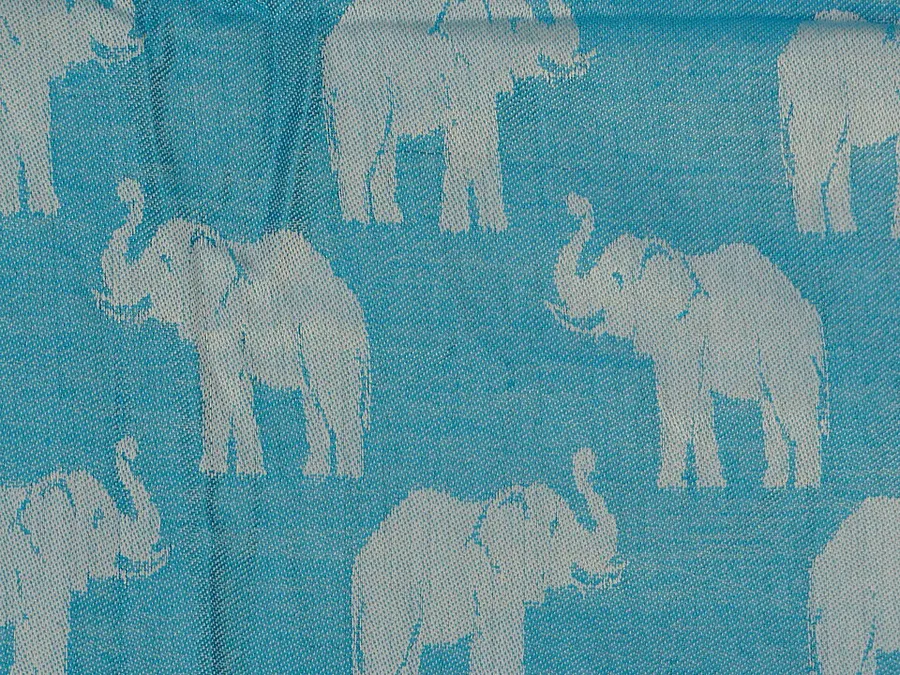
Pashmina and shawls from India are a natural fit for the UK market: hand-loom Kashmir Pashmina sells through luxury and heritage retailers, while blended and home-décor shawls move through independents and online gift platforms. After Brexit, exporting follows standard non-EU documentation, with the buyer handling UK import clearance and duty.
Who buys Pashmina & Shawls in the UK and what fits
The UK is a mature market for wool and cashmere-grade shawls. Real buyer types and what they take:
- Luxury and heritage retail — Selfridges, Harrods and Liberty stock pure, hand-spun, hand-woven Kashmir Pashmina, including Kani and Sozni embroidered pieces. They expect authenticity papers and traceable origin.
- High-street and gift — John Lewis, independent boutiques, museum shops and heritage brands take wool-silk blends and lighter wraps as gift items.
- Home and interior — UK interior designers and home-décor buyers buy large pashmina throws (100x200 cm and up) for sofas and beds. Wool-rich or wool-pashmina blends suit this segment better than pure, on price and durability.
- Diaspora and occasion wear — London, Birmingham, Bradford and Manchester have large South Asian communities; bridal and Eid demand for Sozni and Kani is steady year-round.
- Online — Not On The High Street, Farfetch and Etsy UK handle premium and customised pieces well; pack in branded gift boxes.
Export mechanics from India
- IEC (Import Export Code) from DGFT is mandatory before the first shipment.
- RCMC from EPCH (Export Promotion Council for Handicrafts) under the handicrafts/textile-crafts category. EPCH also helps with documentation for the "Kashmir Pashmina" GI.
- GST: exports are zero-rated. File the Shipping Bill at the port of export and either claim a refund of IGST paid on inputs or use a Letter of Undertaking (LUT) to export without IGST payment. Claim RoDTEP scrips on the shipping bill for eligible textile exports.
- Inspection: textiles for export fall under the Export Inspection Council (EIC) / Export Inspection Agency pre-shipment regime — verify the current notification for your HS heading before booking.
- GI compliance: only authorised users in Jammu & Kashmir can market shawls as "Kashmir Pashmina" (a registered GI in India). For blends, label as "Pashmina blend" with declared fibre percentages; do not write "100% Pashmina" on wool-rich or viscose pieces.
- Port of loading: most exporters ship FOB from Nhava Sheva (JNPT) or Mundra for sea freight; air freight typically ex-Delhi or Mumbai.
Shipping, lead time and UK customs
- Sea: Nhava Sheva to Felixstowe is roughly 18–24 days port-to-port; Southampton and London Gateway are common alternatives. Allow 4–6 weeks total, origin to UK warehouse.
- Air: Delhi or Mumbai to London Heathrow in 3–5 days — sensible for samples and small drops under ~150 kg.
- UK clearance: handled by the buyer or their broker via HMRC (His Majesty's Revenue and Customs) using a GB EORI number.
- Duty and VAT: the UK Global Tariff applies unless a preferential origin is claimed under any India-UK trade arrangement in force. Standard VAT is 20% on most textile imports. Do not quote specific duty rates to buyers; confirm with HMRC or a UK broker at quote time.
- Compliance to verify with the buyer: UK fibre-content and textile labelling regulations, UK REACH restricted-substance list (azo dyes, formaldehyde) and country-of-origin marking. UKCA marking applies only to products in scope — most consumer shawls are not.
MOQ, pricing, samples and quality
- MOQ: pure hand-loom Kashmir Pashmina ~50–100 pieces per design (lower for Sozni/Kani); wool-pashmina or viscose blends ~200–500; OEM programmes often start at 100 pieces per colour and size.
- Pricing (FOB India, indicative): pure 70x200 cm pashmina roughly USD 60–300; Sozni/Kani USD 250–1,500; blended wraps USD 15–45. Final price depends on yarn, weave and handwork.
- Samples: 2–3 pieces per design, couriered via DHL/FedEx; sample cost is usually adjusted against the first PO.
- Quality and GI: provide fibre-composition test reports (microscopy or FTIR) for any "pashmina" claim, plus colour-fastness and pilling reports. OEKO-TEX Standard 100 is increasingly required by UK retailers; GOTS opens the organic segment. Keep GI authorisation proof with every "Kashmir Pashmina" shipment.
Bottom line
The UK rewards authenticity and paperwork: GI-backed Kashmir Pashmina goes to luxury channels, while blends and home-décor formats move volume through independents and online. Get your IEC, EPCH RCMC, EIC inspection and Shipping Bill right, ship FOB Nhava Sheva or Mundra, and have your UK buyer confirm duty, VAT and labelling with HMRC before you quote landed cost.
FAQ
What is the correct HS code for exporting Pashmina and Shawls from India to the UK?+
Pashmina shawls are generally classified under HS code 6214 (shawls, scarves, mufflers and the like), while knitted variants may fall under 6117. The exact subheading depends on whether the shawl is woven or knitted and its fibre composition, so exporters should confirm classification with a customs expert before shipping.
What documents and certifications are required to export Pashmina & Shawls from India to the UK?+
You will need a commercial invoice, packing list, bill of lading or airway bill, shipping bill, certificate of origin, and an AD Code-registered IEC from the exporter. If the product is genuine Kashmir Pashmina, a Geographical Indication (GI) certificate is recommended to prove authenticity and avoid disputes at the UK border.
Get an export quote for the UK
One RFQ reaches verified Indian pashmina & shawls exporters — with MOQ, FOB pricing, and lead time to the UK.
Request a quote →