Export Pashmina & Shawls from India to the USA
Exporting Pashmina & Shawls from India to the USA: buyer demand, IEC/GST/EPCH mechanics, freight, the USA customs, MOQ and pricing — with verified Indian exporters.
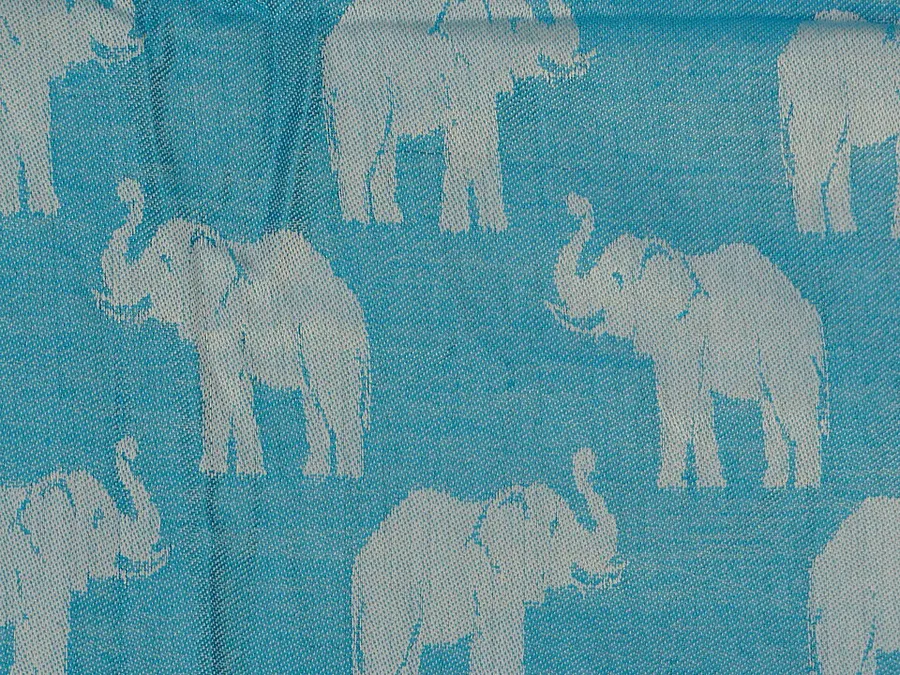
US buyers of Pashmina and shawls split between heritage retailers and private-label brands, so India-side sourcing must clear US Customs and Border Protection, meet FTC labelling, and respect the GI tag for genuine Kashmir Pashmina. Lead with pure cashmere or Pashmina-wool blends in the 120–300 gsm range, file shipping bills with EPCH/RoDTEP claims, and plan a 25–40 day sea transit from Nhava Sheva or Mundra to the US West or East Coast.
Who buys Pashmina & Shawls in the USA — and what fits
The US market for Indian shawls runs on three buyer types: museum-and-department-store heritage boutiques (think curated artisan corners at high-end retailers), specialty e-commerce brands stocking winter gifting, and resellers on Etsy and Shopify. A fourth lane is B2B private-label for fashion labels doing fall/winter lines. Product fit:
- Pure 100% cashmere/Pashmina shawls (120–300 gsm) for premium gifting and bridal gifting rooms
- Pashmina-wool blends (50/50, 70/30) and viscose blends for accessible price points
- Sozni or aari-embroidered pieces for occasion wear
- Stoles, scarves, and mufflers as smaller, fast-moving SKUs
Heavier blankets, gents' kashmir overcoats, and stoles with heavy kantha belong to different buyers and HS lines — keep the range tight.
Export mechanics from India
- IEC from DGFT is the first prerequisite — one-time, 10-digit code valid for life.
- EPCH (Export Promotion Council for Handicrafts) membership and RCMC unlock duty drawback and RoDTEP scrip claims on the shipping bill.
- File a GST Letter of Undertaking (LUT) on the GST portal to zero-rate exports; otherwise pay IGST upfront and claim refund.
- Shipping bill is filed at ICEGATE; RoDTEP and duty drawback are keyed into the same bill.
- Typical FOB: air freight for samples from Srinagar via Delhi (DEL); sea LCL/FCL from Nhava Sheva (JNPT) or Mundra. Pure Pashmina typically trucks out of Srinagar/Jammu to these ports; blended shawls can also cluster at Ludhiana/Amritsar.
- Pricing in USD via wire or LC at sight — avoid 100% advance from first-time US buyers.
Shipping & US destination compliance
- Transit: air 4–7 days (DEL → JFK or ORD); sea LCL 25–35 days to US West Coast (LA/Long Beach), 30–40 days to US East Coast (NY/NJ).
- Authority: US Customs and Border Protection (CBP). Your US broker files the entry; entry summary within 10 working days of cargo release.
- HS classification: most woven shawls and scarves fall under HTSUS 6214, knitted under 6117 — confirm exact HTSUS for duty treatment with CBP or a licensed customs broker before quoting.
- FTC Wool Products Labeling Act: fiber content %, country of origin ("Made in India"), care instructions, and the US-side RN number (FTC-issued, affixed by the importer).
- Prop 65 (California): relevant for certain dyes/finishes on wool — verify with the California Office of Environmental Health Hazard Assessment; do not assume a threshold.
- CPSIA: any SKU marketed to children under 12 triggers lead/phthalate limits and CPSC-accredited lab testing.
- Finished wool shawls generally do not need USDA APHIS paperwork, but verify if you ship loose fiber or pieces with feathers/horn buttons.
MOQ, pricing, samples, and quality/GI notes
- MOQ: pure hand-loom Kashmir Pashmina — 50–100 pieces per design/colourway; machine-made or wool-blend OEM — 300–500 pieces.
- Pricing: FOB India per piece varies by size, embroidery hours, and micron count. Quote realistic — US buyers benchmark, and under-pricing signals a blend.
- Samples: 3–4 weeks for loom-set, hand-finished samples; DHL/FedEx to US in 4–6 days.
- Quality: insist on fiber fineness test (under 15–16 micron for true cashmere), GSM check, colourfastness, and azo-free dye certification for stricter US retailers.
- GI: source only from registered Kashmir Pashmina artisan clusters for the "Kashmir Pashmina" GI label; otherwise label generically as "cashmere shawl" to avoid FTC fibre-misrepresentation complaints.
Bottom line
Pashmina exports to the US work when Indian suppliers honour the GI, lock in EPCH and RoDTEP paperwork, and meet FTC labelling plus Prop 65 / CPSIA lines. Build around 50–100-piece MOQs for genuine Pashmina, ship sea via Nhava Sheva or Mundra, and confirm the exact HTSUS heading with CBP before the first quote.
FAQ
What is the correct HS code for exporting Pashmina and Cashmere shawls from India to the USA?+
Pashmina/Cashmere shawls, scarves, and similar items are generally classified under Chapter 62, HS heading 6214 (Shawls, scarves, mufflers, mantillas, veils and similar articles). Pure cashmere woven shawls often fall under subheading 6214.20, while silk-blended variants may be classified under 6214.10, depending on fiber composition.
What documents are required to export Pashmina shawls from India to the USA?+
Exporters need a valid IEC (Import Export Code) from DGFT, GST registration, a Commercial Invoice, Packing List, Bill of Lading or Airway Bill, Certificate of Origin, and a shipping bill filed through the ICEGATE portal. For genuine Kashmir Pashmina carrying a Geographical Indication (GI) tag, the GI registration certificate is also advisable to prove authenticity under US textile import rules.
Get an export quote for the USA
One RFQ reaches verified Indian pashmina & shawls exporters — with MOQ, FOB pricing, and lead time to the USA.
Request a quote →