Export Handloom & Handwoven Textiles from India to Australia
Exporting Handloom & Handwoven Textiles from India to Australia: buyer demand, IEC/GST/EPCH mechanics, freight, Australia customs, MOQ and pricing — with verified…
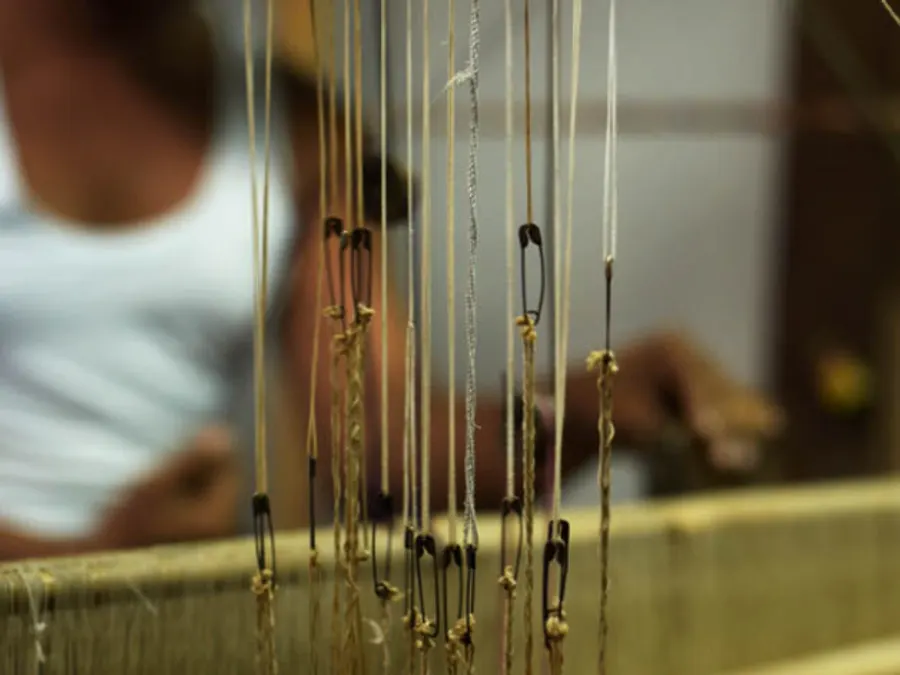
Australian buyers prize the story behind the weave: small-run Jamdani, Ikat yardage, Bandhani dupatta lengths, and block-printed cottons in muted, earthy palettes sell to boutique fashion labels, curtain and soft-furnishing makers, and Indian-diaspora retailers in Sydney, Melbourne, and Fremantle. The single biggest commercial risk is Australian biosecurity — natural fibres, wooden printing blocks, and especially untreated wooden or straw packaging get stopped at the border if not clean and ISPM 15-treated.
Who buys Handloom & Handwoven Textiles in Australia and what product fits
Australian demand is fragmented but real:
- Boutique fashion labels buy 50–300 m of handwoven silk, cotton, and Ikat for capsule collections.
- Interior designers and curtain/upholstery makers in Sydney and Melbourne order wider-width handloom cotton in 110–140 cm formats.
- Indian-diaspora retailers stock Bandhani dupattas, Banarasi cuts, and Jamdani saris.
- Quilters and craft shops take block-printed cotton by the metre in fat-quarter and bolt formats.
Best-fitting SKUs: 5–20 m rolls, neutral/ochre/indigo palettes, no heavy-metal dyes, lightweight cotton and silk, hand-finished selvedges.
Export mechanics from India
- IEC: 10-digit Import Export Code from DGFT, via the DGFT portal with PAN, bank certificate, and cancelled cheque.
- GST: file a Letter of Undertaking (LUT) on the GST portal to zero-rate exports; alternatively pay IGST and claim refund.
- Council & RCMC: register with EPCH (for handicraft-classified handloom) or TEXPROCIL/HEPC (for plain yardage) to obtain a Registration-Cum-Membership Certificate, which unlocks MAI/MDA scheme benefits and is the document Australian buyers ask for.
- Shipping bill: file on ICEGATE under the correct HS code (Chapters 50–63) and claim RoDTEP scrip to recover embedded duties.
- Typical FOB ports: Nhava Sheva and Mundra for general sea cargo; Chennai for South-Indian Ikat; Kolkata/Haldia for Jamdani.
Shipping, lead time, and destination customs/compliance
Sea freight Mumbai → Sydney/Melbourne/Fremantle takes 22–28 days plus 3–5 days inland haulage. Air freight is 3–5 days and is sensible for samples and re-orders under 200 kg.
On the Australian side:
- Biosecurity (the critical one): the Department of Agriculture, Fisheries and Forestry (DAFF) regulates imports under the Biosecurity Act 2015. Check BICON for conditions on your specific fibre, dye, and any wooden printing blocks. Shipments must be free of soil, seeds, insects, feathers, and plant debris. All wooden pallets and dunnage must be ISPM 15 compliant — heat-treated or methyl-bromide fumigated and visibly stamped. Avoid raw jute or straw wrapping; use clean poly wrap.
- Customs duty: the Australian Border Force applies duty per the working tariff. India and Australia implemented the ECTA in late 2022, so preferential rates may apply if you hold a Certificate of Origin — verify exact concessional rates with ABF before quoting.
- Labelling: country of origin, fibre content, and care label in English are required by the ACCC for consumer sale.
MOQ, pricing, samples, and quality/GI notes
- MOQ: 50–100 m per SKU for new buyers; 20–30 m works for samples or capsule orders. FCL 20-foot containers suit established stockists.
- Pricing: quote FOB India per metre, with separate hand-finished and packaging options. Build in 8–12% for biosecurity-compliant packaging.
- Samples: send 30 × 30 cm swatches and 1 m cuts by air or courier (DHL/FedEx) with a proforma invoice under AUD 1,000 to keep the import simple; allow 5–7 working days door-to-door.
- Quality: prefer OEKO-TEX Standard 100 fabric — Australian buyers actively ask. No AZO dyes, no formaldehyde. Hangtags should cite the Handloom Mark, fibre origin, and weaver/cooperative.
- GI leverage: Pochampally Ikat (Telangana GI), Banarasi (UP GI), Jamdani (West Bengal GI), and Kutch Bandhani (Gujarat GI) carry premium positioning. Use the GI logo and registered number on swing tags to justify a 15–25% premium over non-GI yardage.
Bottom line
Australian buyers reward clean provenance, short runs, and a credible GI or Handloom Mark story — but the deal dies at the dock if pallets aren't ISPM 15-stamped or the consignment carries a seed or soil smudge. Lock in the ECTA Certificate of Origin, an EPCH or HEPC RCMC, and a GST LUT, and lead with biosecurity-compliant packaging from day one.
FAQ
What documents are required to export handloom and handwoven textiles from India to Australia?+
Exporters typically need a commercial invoice, packing list, bill of lading or airway bill, shipping bill, IEC code from DGFT, and a Certificate of Origin to claim preferential treatment. ISPM-15 compliant packaging and a textile fumigation certificate may also be required if wood-based packing materials are used.
Do Indian handloom textiles receive preferential tariff treatment when exported to Australia?+
Yes, under the India–Australia Economic Cooperation and Trade Agreement (ECTA), effective 29 December 2022, most handwoven and handloom textile products qualify for reduced or zero customs duty, provided a valid Certificate of Origin is presented to Australian Border Force at the time of import.
Get an export quote for Australia
One RFQ reaches verified Indian handloom & handwoven textiles exporters — with MOQ, FOB pricing, and lead time to Australia.
Request a quote →