Export Handloom & Handwoven Textiles from India to Canada
Exporting Handloom & Handwoven Textiles from India to Canada: buyer demand, IEC/GST/EPCH mechanics, freight, Canada customs, MOQ and pricing — with verified Indian…
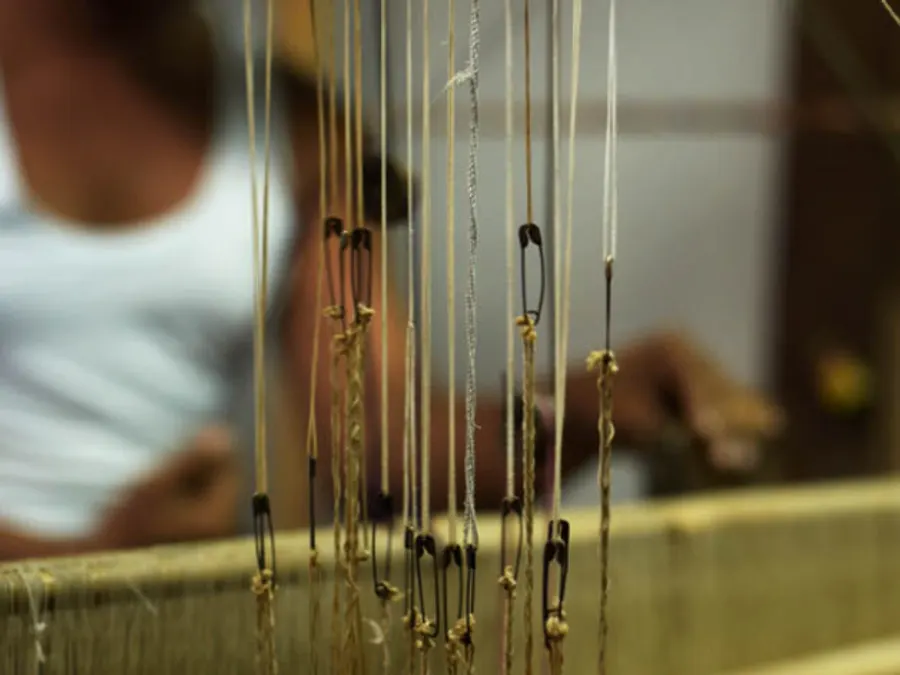
Handloom and handwoven Indian textiles sell well in Canada primarily through South Asian retail and diaspora wholesalers in Toronto and Vancouver, independent fashion designers in Montreal and Toronto, and home-decor and craft buyers looking for genuine block print and Ikat. The sweet spot is fabric by the metre plus finished stoles, table runners and cushion covers, priced FOB India and shipped by sea in roll form, with English–French labels and full fibre disclosure to clear CBSA without issues.
Who buys and what sells in Canada
Canadian buyers split into three groups, and each wants a slightly different format. First, the South Asian diaspora retail and wholesale channel — concentrated in Brampton, Scarborough, Mississauga and Surrey — buys Bandhani dupattas, Banarasi-style brocades for occasion wear, and Jamdani saree lengths. Second, the independent designer and slow-fashion segment (Montreal, Toronto, Vancouver) buys Ikat, Chanderi and Ajrakh by the metre for capsule collections; order sizes are smaller but margins are healthier. Third, the home-decor and craft market buys block-printed cotton (Bagru, Sanganer) for quilting, cushion covers, table linen and wall hangings — note that quilters are a known and loyal niche for hand block print in Canada.
Product forms that travel well: fabric by the metre on tubes (1.5–2 m bolts), pre-cut stole and dupatta sets, cushion covers with envelope closures, and made-up table runners. Pre-finished pieces reduce your buyer's work and command a premium over raw fabric.
Export mechanics from India
You will need an IEC from DGFT, and if your turnover is above the GST threshold, file a Letter of Undertaking to zero-rate exports. Get an RCMC from EPCH (handicrafts, including handloom home products) or from the relevant textile EPC if you are exporting piece goods. Use HS codes under 5007 (silk woven), 5208–5212 (cotton woven) or 5407/5408 (man-made woven) — get the exact code from the Customs Tariff, not by guesswork. Declare on the shipping bill, claim RoDTEP on scrip, and ship FOB from JNPT/Nhava Sheva or Mundra. Tuticorin is rarely used for Canada.
Shipping, lead time, and Canadian customs
Sea freight is the default for fabric rolls: roughly 30–35 days Nhava Sheva → Vancouver and 28–32 days → Montreal, plus 3–5 days inland to the buyer's warehouse. Use air only for samples or small stole shipments. At the Canadian side, clearance is handled by the Canada Border Services Agency (CBSA); applicable duties depend on the HS code and origin, and GST/HST applies on the duty-paid value. Confirm current tariff lines and any preferential treatment directly with CBSA — do not assume a rate. The Consumer Packaging and Labelling Act and the Textile Labelling Act require accurate fibre-content disclosure in English and French on consumer packaging; country-of-origin marking ("Made in India") is mandatory. There is no India–Canada FTA at present, so standard MFN duties apply.
MOQ, pricing, samples, and quality/GI notes
Handloom is genuinely low-MOQ friendly. A realistic starting MOQ is 50–100 m per design for block print, 100–150 m for Ikat, and 150 m+ for Jamdani. Quote FOB Indian port; your buyer will usually request CIF Vancouver or CIF Toronto. Samples: send 1–3 m cuttings by air (3–5 days), priced at production cost plus courier, and credit against the first PO. On quality, secure the Handloom Mark label from the Office of the Development Commissioner (Handlooms) for any genuinely handwoven piece, and Silk Mark for silk. For Jamdani, Patola, Banarasi, Chanderi and similar, a registered GI tag is a strong commercial tool — not a legal export requirement, but Canadian buyers in the slow-fashion segment increasingly ask for it.
Bottom line
Treat Canada as a small-but-high-value market: ship fabric rolls by sea FOB India, quote CIF Vancouver or Toronto, and never skip bilingual fibre-content labels. Build your story around Handloom Mark and GI provenance and you can compete on authenticity rather than price.
FAQ
What documents are required to export handloom textiles from India to Canada?+
Exporters typically need a Commercial Invoice, Packing List, Bill of Lading or Airway Bill, Certificate of Origin, and an Export License where applicable. The 'Handloom Mark' issued by India's Textile Committee is strongly recommended to authenticate the handwoven nature of the goods, and a Geographical Indication (GI) certificate should accompany products with protected status such as Banarasi or Kanchipuram.
What labeling requirements apply to handloom textiles imported into Canada?+
All textile imports must comply with Canada's Textile Labelling Act and Regulations, requiring bilingual (English and French) labels with fiber content by percentage, the importer's name and address, and country of origin. Goods must also meet the Canada Consumer Product Safety Act requirements for flammability and harmful substances, while the Indian Handloom Mark serves as a valuable authentication feature for marketing.
Get an export quote for Canada
One RFQ reaches verified Indian handloom & handwoven textiles exporters — with MOQ, FOB pricing, and lead time to Canada.
Request a quote →