Export Handloom & Handwoven Textiles from India to France
Exporting Handloom & Handwoven Textiles from India to France: buyer demand, IEC/GST/EPCH mechanics, freight, France customs, MOQ and pricing — with verified Indian…
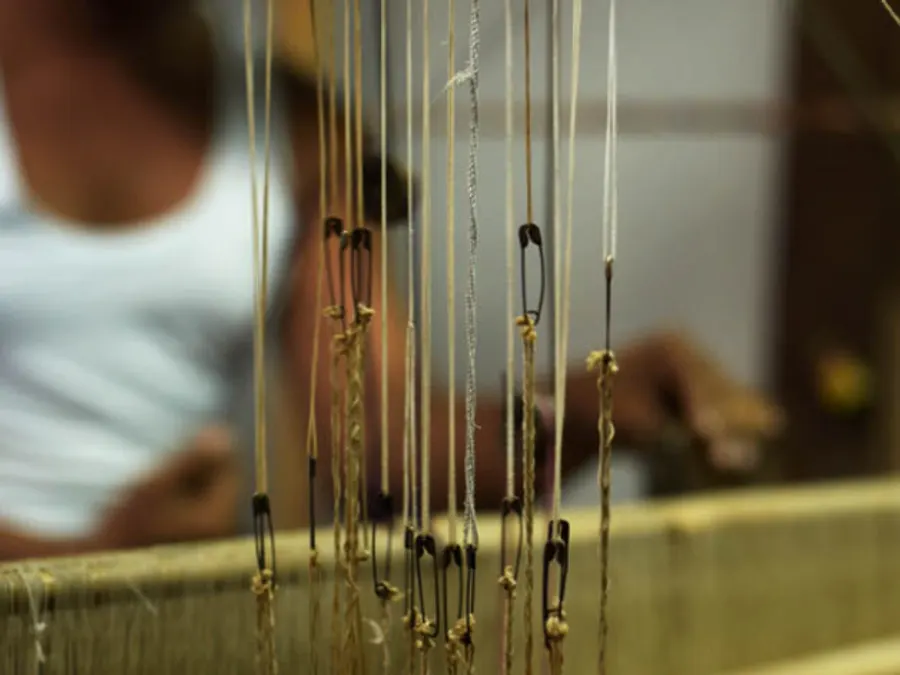
French buyers of Indian handloom textiles are mostly slow-fashion ateliers, high-end home-décor brands, and concept stores in Paris, Lyon, and Provence who want genuine hand-processed cloth with a clear origin story. Wins in this market come from authentic provenance (GI tags, hand-process proof), small flexible MOQs, REACH and EU textile-label compliance, and shipping through a European consolidator rather than direct containers.
Who buys Handloom & Handwoven Textiles in France
French demand sits in three lanes, and the product mix differs by lane:
- Slow-fashion ateliers in Le Marais (Paris) and Lyon use Jamdani, Chanderi, Mangalgiri, and Pochampally Ikat for resort wear, scarves, and shirts. They want lighter weights (60–120 GSM) and 90–110 cm widths.
- Home & lifestyle brands in Provence and the Basque country buy block-printed cotton, Kalamkari, Dabu, and heavier Ikat for curtains, table linen, cushion covers, and quilted bedspreads. They prefer 110–140 cm widths and durable 150+ GSM.
- Cultural and gifting retail — Musée des Arts Décoratifs shop, concept stores like Merci, and corporate gift buyers — pick GI-tagged Bandhani, Banarasi, and Tangail-style Jamdani as heritage products priced by the metre.
Sell fabric by the metre first; made-up scarves and cushion covers work as add-on SKUs, not the main line.
Export mechanics from India
- IEC from DGFT is mandatory before the first shipment.
- GST LUT (Form RFD-11) lets you ship without paying IGST; otherwise claim refund of accumulated ITC.
- RCMC with EPCH (Export Promotion Council for Handicrafts) — the right council for handloom. APEDA, AEPC, and TEXPROCIL do not cover this category.
- Shipping bill via ICEGATE; describe the craft and cluster in the invoice (e.g., "handwoven cotton Jamdani sari fabric, West Bengal origin") so customs and the buyer both see the handloom character.
- Typical FOB ports: Mundra and Nhava Sheva for most clusters; Chennai for South Indian Ikat (Pochampally, Siddipet); Kolkata/Haldia for Bengal Jamdani and Tangail.
- RoDTEP scrips are available on most handloom HS lines — keep duty drawback and RoDTEP claims clean from shipment one.
Shipping, lead time & French customs
- Sea: 18–25 days to Le Havre (northern France/Paris) or Fos-sur-Mer (Marseille/southern France). A 20-ft FCL takes roughly 15,000–20,000 m of folded handloom fabric on pallets.
- Air: 4–6 days to Paris CDG for samples and small re-orders below 500 kg.
- Destination authority: the Direction Générale des Douanes et Droits Indirects (DGDDI) sets import duty. HS codes 5208–5212 (cotton), 5407/5408 (woven man-made), and 5007 (silk) apply — always confirm the current MFN rate with DGDDI or a French courtier en douane.
- EU compliance to check before shipping:
- REACH (EC 1907/2006) — azo dyes, formaldehyde, and heavy-metal limits; NABL-accredited Indian lab reports are usually accepted.
- EU Textile Regulation 1007/2011 — fibre composition labels in French on every roll or piece.
- CITES — only relevant for wild silk or restricted plant fibres; not for mulberry silk or cotton.
- EUDR — cotton handloom is not in scope yet, but farm/cluster traceability paperwork speeds up French buyer onboarding.
MOQ, pricing, samples, quality & GI
- MOQ: 50–100 m per design per colour for serious importers; 20–30 m works for concept stores running tight edits.
- Pricing: FOB India in USD or EUR. GI-tagged lots (Banarasi, Chanderi, Pochampally Ikat, Kanchipuram, Tangail) carry a 20–40% premium; French retail lands at roughly 2.5–3.5× FOB after duty, freight, and agent margin.
- Samples: paid 2–5 m cuttings couriered in 5–7 days, refundable against a confirmed PO.
- Quality: lock yarn count, GSM, and slub irregularity in a pre-shipment reference sample signed by the buyer; insist on wash and light fastness reports (ISO 105) for block print and Bandhani.
- GI documentation: carry the original GI certificate from the registered authority with the shipping packet — French buyers and DGDDI both ask for it on the first shipment.
Bottom line
France rewards authenticity, not volume: GI-tagged or clearly documented hand-process weaving, REACH-tested dyes, French fibre labels, and small flexible MOQs beat price competition. Build the export on EPCH membership, GST LUT, and FOB shipments from Mundra or Nhava Sheva, and partner with a French import broker who knows DGDDI paperwork and Le Havre or Fos routing.
FAQ
What export documentation is required to ship handloom and handwoven textiles from India to France?+
Shipments typically require a commercial invoice, packing list, bill of lading or airway bill, certificate of origin, and an AD Code registration with Indian customs. For handloom goods, securing the Handloom Mark or Silk Mark certification from the Office of the Development Commissioner (Handlooms) adds authenticity and can ease customs scrutiny in France.
Are there specific chemical or labeling compliance rules Indian handloom exporters must meet for the French market?+
Yes, French buyers generally expect compliance with EU REACH regulations, which restrict azo dyes, formaldehyde, and heavy metals, so obtaining an OEKO-TEX Standard 100 or equivalent test report is advisable. Additionally, fibre-content labels must be in French (or include a French translation) and indicate the exact percentage of each fibre used, as required by EU Textile Regulation 1007/2011.
Get an export quote for France
One RFQ reaches verified Indian handloom & handwoven textiles exporters — with MOQ, FOB pricing, and lead time to France.
Request a quote →