Export Handloom & Handwoven Textiles from India to Germany
Exporting Handloom & Handwoven Textiles from India to Germany: buyer demand, IEC/GST/EPCH mechanics, freight, Germany customs, MOQ and pricing — with verified…
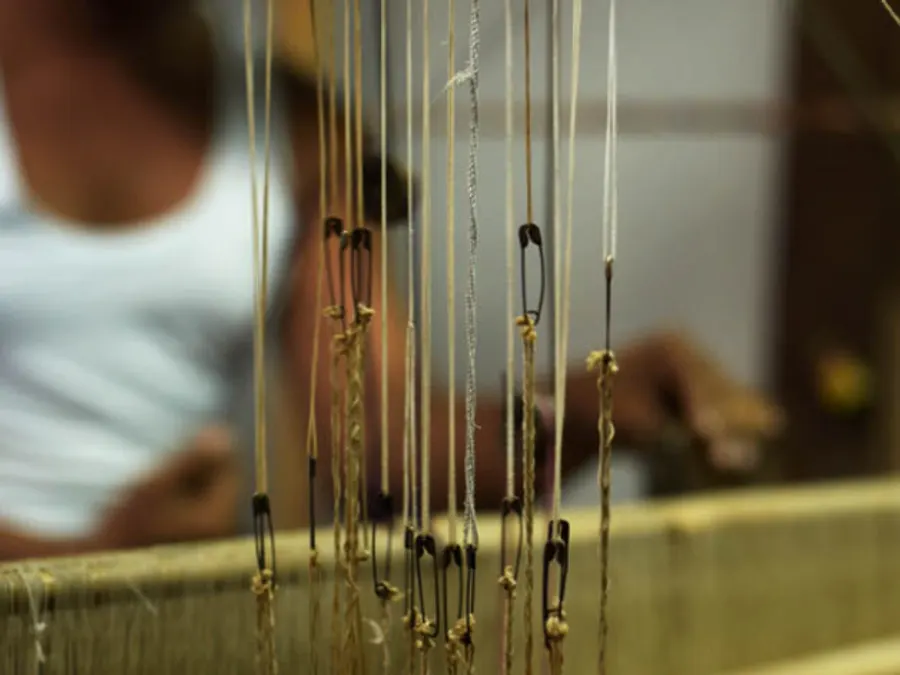
German sustainable-fashion labels, fair-trade brands, couture ateliers and high-end home-textile converters buy Indian handlooms by the metre — chiefly Jamdani, Chanderi, Maheshwari, Pochampally/Patan Patola Ikat, Banarasi and Bagru/Ajrakh block-prints — for slow-fashion capsules and bespoke interiors. Plan for 60–90 days order-to-warehouse, with IEC + EPCH RCMC, GST LUT zero-rating, sea freight from Nhava Sheva to Hamburg, and REACH chemical-compliance paperwork cleared before shipment.
Who buys and what fits Germany
Germany's textile-import profile is design- and sustainability-led rather than volume-led. Active buyers include GOTS-certified slow-fashion labels (ARMEDANGELS, LANIUS, Hessnatur-tier), fair-trade social enterprises, Berlin and Düsseldorf couture ateliers, and home-textile converters in the Sauerland/North Rhine-Westphalia cluster serving brands like Nya Nordiska, Rohi and Zimmer + Rohde. Opera and film costumers also source period-accurate brocades.
Product fit: lightweight Jamdani and Chanderi for shirting and resort wear; Banarasi and Kanchipuram for couture trims and bridal; Ikat for upholstery and statement fashion; Bagru and Ajrakh for the natural-dye segment — Germany is the EU's largest buyer of plant-dyed cloth. Sell by the metre, not finished garments; German converters cut, finish and label in-house.
Export mechanics from India
- IEC from DGFT — first prerequisite, free, online.
- RCMC from EPCH (Export Promotion Council for Handicrafts) — covers handlooms; for pure cotton or blended handlooms TEXPROCIL is also an option.
- GST LUT (Letter of Undertaking) on the GST portal to zero-rate exports, or alternatively pay IGST and claim refund.
- Classify under HS Chapter 50/51/52/53; common codes include 5007 (woven silk), 5208/5209 (cotton woven), 5407 (synthetic woven).
- Shipping Bill via ICEGATE; pursue RoDTEP scrip to recover embedded duties on inputs.
- FOB India from Nhava Sheva (JNPT) or Mundra; ICD Tughlakabad works well for North Indian weaver clusters.
Shipping, customs and compliance
Sea LCL to Hamburg runs 22–28 days direct or 30–40 days via transhipment; FCL 18–24 days. Air to Frankfurt is 3–5 days, used for samples and small cuts. Total order-to-warehouse for handloom is typically 60–90 days.
On arrival, clearance is handled by the Generalzolldirektion (federal) through the local Hauptzollamt using the ATLAS electronic system. EU import duty depends on the 10-digit TARIC code and rules of origin — verify the current rate on the European Commission's Access2Markets (MADB) portal, not on generic rate sites. A Certificate of Origin plus GSP may yield reduced or zero MFN duty; confirm category-by-category for your HS code.
Compliance to check before shipping:
- REACH (EC 1907/2006, enforced by ECHA in Helsinki) — restrict azo dyes, formaldehyde, extractable heavy metals, certain phthalates.
- German Textile Labelling Act (Textilkennzeichnungsgesetz) — fibre composition and care symbols in German/English.
- For upholstery, buyers often ask for EN 1021-1/2 flammability and Öko-Tex 100 or GOTS certification.
- CE marking is not required for textile fabrics unless they enter PPE.
MOQ, pricing, samples, GI
MOQ for handloom-by-the-metre is typically 200–500 m per design, dropping to 50–100 m for Banarasi brocade or Patan Patola. Samples: 2–5 m at FOB rates, usually refundable against bulk orders. Pricing is FOB India per metre, and German buyers increasingly expect transparent weaver-wage disclosure — build it into your cost sheet from day one.
Leverage GI tags (Jamdani, Banarasi, Chanderi, Maheshwari, Pochampally Ikat, Patan Patola) on invoices, COAs and marketing. Indian GIs are increasingly recognised in EU IP frameworks, and "GI + natural dye + handloom" is the strongest premium-justification story in this market.
Bottom line
Lead with provenance and natural-dye credentials; German buyers will pay a 20–40% premium for traceable, GI-tagged handlooms over generic fabric. Get REACH documentation and German-language care labelling right before the first shipment, and budget 60–90 days end-to-end with sea freight via Nhava Sheva to Hamburg. Treat EPCH RCMC, GST LUT and RoDTEP as standard hygiene, not optional.
FAQ
What certifications and compliance requirements apply to handloom textiles exported from India to Germany?+
Indian handloom exports to Germany must comply with EU REACH regulations restricting hazardous chemicals in textiles, and most German buyers require OEKO-TEX Standard 100 certification. Products marketed as organic additionally need GOTS (Global Organic Textile Standard) certification, while exporters should also obtain a Certificate of Origin from the Textile Committee or EPCH.
What labeling and documentation requirements must handwoven textile shipments to Germany meet?+
All textile products entering Germany must carry permanent labels in German or English indicating fiber composition, country of origin, and care instructions in line with EU Textile Regulation (EU) No 1007/2011. Exporters should also prepare a commercial invoice, packing list, bill of lading/airway bill, and GI (Geographical Indication) documentation if claiming origin-specific products like Banarasi or Kanchipuram weaves.
Get an export quote for Germany
One RFQ reaches verified Indian handloom & handwoven textiles exporters — with MOQ, FOB pricing, and lead time to Germany.
Request a quote →