Export Handloom & Handwoven Textiles from India to the Netherlands
Exporting Handloom & Handwoven Textiles from India to the Netherlands: buyer demand, IEC/GST/EPCH mechanics, freight, the Netherlands customs, MOQ and pricing…
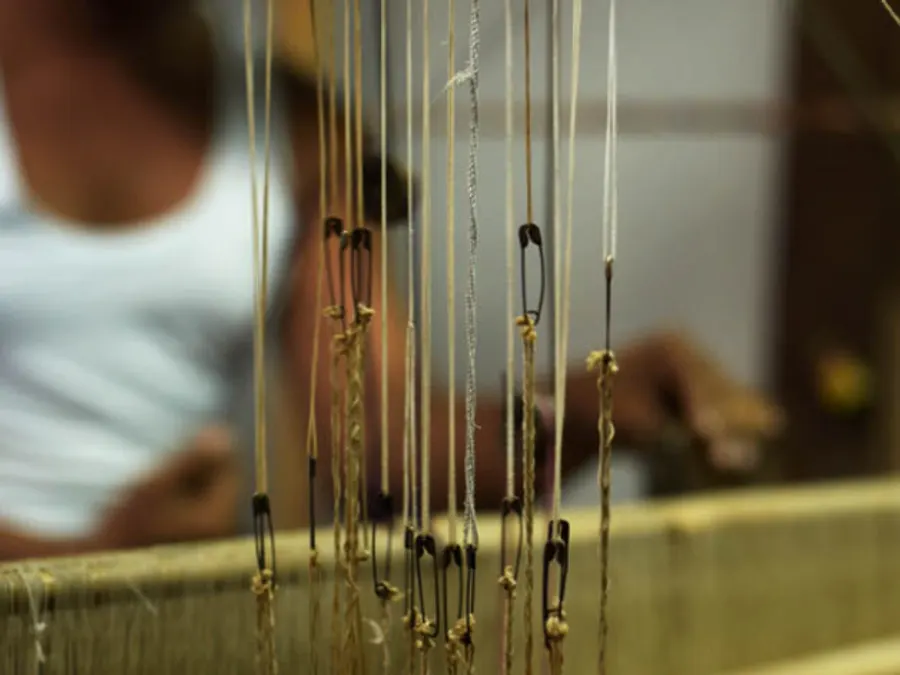
Handloom and handwoven textiles ship well into the Netherlands when positioned as provenance-led, mid-to-premium yardage for fashion ateliers, interior designers, and the TextielMuseum Tilburg craft ecosystem rather than as commodity apparel fabric. Dutch buyers also re-export across the EU, so REACH, fibre labelling, and Rotterdam-port routing are the make-or-break logistics.
Who buys in the Netherlands and what fits
The Dutch market for Indian handlooms is small but discerning. Three buyer segments matter most:
- Independent fashion labels and couture ateliers in Amsterdam, The Hague, and Rotterdam — they want yardage for made-to-measure and small capsule runs. Tangail and Shantipur Jamdani muslin, Chanderi, Maheshwari, and Tussar all fit.
- Interior and home-textile designers — block-printed cotton (Bagru, Sanganer, Ajrakh), Kalamkari, and Ikat by the metre for curtains, cushions, and lampshades.
- Heritage retailers and museum shops — TextielMuseum Tilburg's retail arm, concept stores like Hutspot, and the craft ranges inside de Bijenkorf stock GI-tagged pieces: Patan Patola, Pochampally, Sambalpuri.
The Netherlands is also a re-export hub: a Dutch buyer may consolidate Indian handlooms for Germany, Belgium, and Scandinavia, so EU-wide compliance is non-negotiable.
Export mechanics from India
- IEC is mandatory via DGFT; keep it active and renew AD-code bank mappings annually.
- GST LUT (Letter of Undertaking) on the GST portal lets you export under bond without paying IGST — important because handloom GST rates are mixed (5% on most fabrics, 12% on certain blends). File the LUT each financial year before your first shipment.
- RCMC from EPCH (Export Promotion Council for Handicrafts) as your promoting council. EPCH also coordinates the India Handloom Brand and Handloom Mark through the Textile Committee — Dutch buyers increasingly ask for these.
- Shipping bill filed via ICEGATE; declare samples under ₹1 lakh as "Free of Cost" and claim RoDTEP scrips on the FOB value.
- FOB ports: JNPT/Nhava Sheva for Maheshwari, Chanderi, and Ikat; Mundra for Gujarat (Bandhani, Ajrakh); Kolkata/Haldia for Bengal (Jamdani) and Odisha (Sambalpuri).
Shipping, lead time, destination customs
Sea FOB Mumbai → Rotterdam: 18–24 days plus 2–3 days inland EU trucking. Air for samples or high-value single pieces (Patan Patola, Kanjivaram): 3–5 days via Delhi or Mumbai to Amsterdam Schiphol.
The destination authority is Douane (Dutch Customs), working under the EU Union Customs Code. Your Dutch buyer must hold an EORI number and appoint a Rotterdam customs agent. Check the EU TARIC database for the live duty rate on your HS code (woven cotton generally sits in 5208–5212) — do not assume; tariffs and any preferential treatment change. Two compliance layers to confirm with the buyer in writing before production: REACH (restricted substances in dyes/finishes) and EU Regulation 1007/2011 on fibre-composition and country-of-origin labelling on every piece.
MOQ, pricing, samples, quality
- MOQ: 50–100 m per design-colour for standard handlooms; 5–20 m for Patan Patola and fine Jamdani; 200+ m for block-print production runs.
- Pricing: quote FOB India per metre in USD or EUR; offer CIF Rotterdam for first-time Dutch buyers.
- Samples: charge for handloom samples (₹500–₹2,000 plus DHL/FedEx) and refund on first bulk order. Always ship by air.
- Quality/GI: weave GI tags into the deal — Shantipur Jamdani, Patan Patola (double-ikat), Bagru, Sanganer, and Pochampally are all registered GIs, and Dutch buyers will photograph the mark and the loom for their own channels.
Bottom line
Sell provenance, not metres — the Dutch premium lives in GI, India Handloom Brand, and weaver-level storytelling. Lock in IEC, GST LUT, EPCH RCMC, and a Rotterdam-friendly freight partner, and confirm REACH and fibre labelling with the buyer in writing before the first cut.
FAQ
What documents are required to export handloom and handwoven textiles from India to the Netherlands?+
Exporters need a commercial invoice, packing list, bill of lading or airway bill, certificate of origin, shipping bill filed through ICEGATE, and a GST-compliant tax invoice. A Handloom Mark from the Office of the Development Commissioner (Handlooms) or a Textile Committee certification authenticates the product and can support preferential treatment in the EU market.
What import duties and regulations apply to Indian handloom textiles entering the Dutch market?+
As an EU member, the Netherlands applies the EU Common External Tariff on textile imports, but Indian handloom goods may qualify for reduced or zero duty under the EU's Generalized System of Preferences (GSP) when accompanied by a Certificate of Origin (Form A) and Rules of Origin compliance. All imports must also meet EU REACH chemical safety regulations, and customs clearance is handled through the EU's centralized electronic systems at the port of entry.
Get an export quote for the Netherlands
One RFQ reaches verified Indian handloom & handwoven textiles exporters — with MOQ, FOB pricing, and lead time to the Netherlands.
Request a quote →