Export Handloom & Handwoven Textiles from India to the UAE
Exporting Handloom & Handwoven Textiles from India to the UAE: buyer demand, IEC/GST/EPCH mechanics, freight, the UAE customs, MOQ and pricing — with verified…
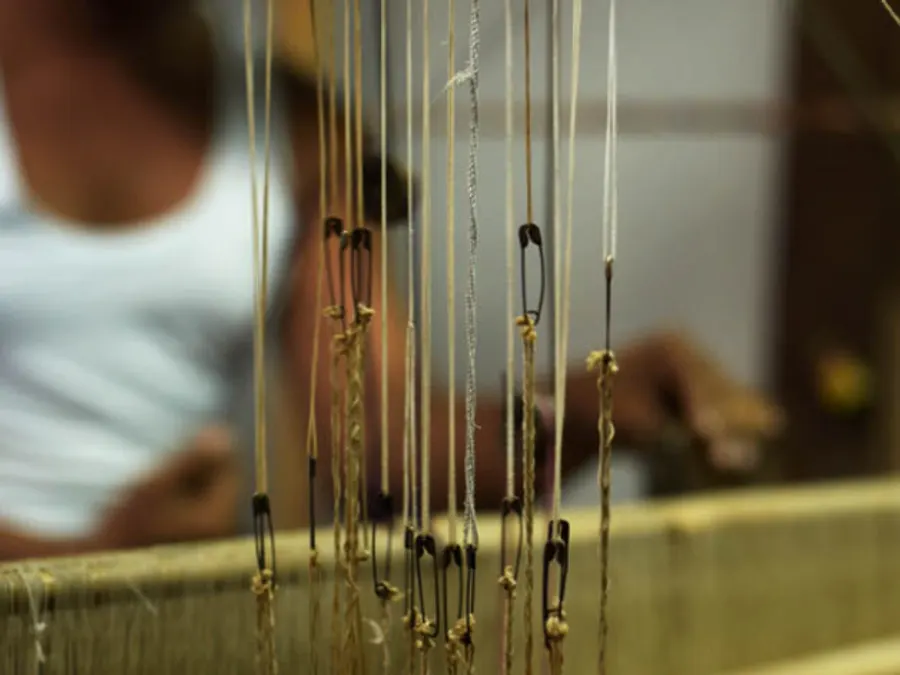
Indian handloom and handwoven textiles — Jamdani, Bandhani, block-print, ikat and fabrics by the metre — ship fast to the UAE, and under the India-UAE CEPA, qualifying lots enter Dubai or Abu Dhabi at a tariff advantage. The market has three distinct buyer types, and your product mix, MOQ, and labelling should be tuned to each.
Who buys and what to send
- South Asian retailers and master tailors in Deira, Bur Dubai, Sharjah and Al Ain buy by the metre — Banarasi, Chanderi, Maheshwari, Jamdani for bridal couture; Bandhani and Ajrakh for festive salwar kameez and dupattas. Sell in 5–10 m cuts with hanging swatch sets.
- Interior and hospitality buyers (boutique hotels, F&B, residential designers) want block-printed cotton and linen, Ikat and Jamdani-derived weaves for drapes, cushion covers, runners and headboards. Lead with neutral palettes, custom sizes and flammability declarations.
- GCC re-exporters in Jebel Ali Free Zone and Sharjah re-ship to Saudi, Oman, Qatar and Africa. They want roll goods by the metre, neutral outer packaging, and Certificates of Origin that support onward CEPA/GCC preferences.
Add Diwali, Eid and wedding-season gifting — scarves, stoles and fabric gift boxes; corporate gifting in Dubai is a real, repeat channel.
Export mechanics from India
- IEC from DGFT is mandatory on every shipping bill.
- EPCH RCMC — the Carpet and Handicraft EPC issues RCMC for items classed as handicrafts; for non-handicraft yardage use the textile EPCs (AEPC, Texprocil, SRTEPC).
- GST — file an LUT on the GST portal to zero-rate exports and claim input credit refund, or pay IGST and claim refund later.
- Shipping bill at the port of export, paired with a CEPA Certificate of Origin from a designated agency to claim the UAE preference.
- RoDTEP rebates embedded duties — check current scheme rates for your textile HSN.
- Typical FOB loading: Nhava Sheva (JNPT) and Mundra for sea; Mumbai and Delhi for air.
Shipping, lead time and UAE compliance
- Sea to Jebel Ali is 3–5 days from Mumbai or Mundra; 5–8 days to Sharjah. Air to DXB or AUH is 1–2 days. Use Jebel Ali for FCL consolidations, Sharjah for LCL rolling.
- Destination customs fall under the Federal Authority for Identity, Citizenship, Customs and Port Security. Standard GCC duty on textiles is 5% ad valorem; under the India-UAE CEPA (in force since May 2022) qualifying handloom goods attract 0% — meet the product-specific rules of origin and carry both non-preferential and preferential COOs.
- Product safety and labelling sit with MOIAT (which absorbed ESMA) — bilingual fibre-content and care labels in Arabic and English, and for furnishing fabrics, flammability test reports may be requested. Verify exact current requirements with MOIAT and the customs authority before the first container is sealed.
MOQ, pricing, samples and GI
- Fabrics by the metre: 50–100 m per design-colour for metre-age buyers; 20–30 m works for designer capsule runs.
- Samples: send 1×1 m cutting books with at least two full repeats, plus GSM, shrinkage and wash-fastness data. Charge for samples on long programmes and refund against the first purchase order.
- Pricing: FOB India is the norm; recalculate per-metre rates after applying CEPA preference and 5% UAE VAT in your landed-cost sheet.
- GI matters in the UAE — Jamdani (West Bengal), Banarasi, Chanderi, Patan Patola, Odisha Ikat, Bagru, Sanganer, Ajrakh and Jamnagar Bandhani all carry GI. Use the GI logo on labels, hangtags and the COO — UAE buyers pay a clear premium for authenticated weaves.
Bottom line
Tune your line to three UAE channels — metre-age tailors, hospitality and interior, and Jebel Ali re-exporters — and ship Jamdani, Bandhani, block-print and Ikat in small, design-led lots. File LUT, EPCH RCMC, CEPA COO and RoDTEP claims from day one, and confirm MOIAT/ECAS labelling plus any test reports with the UAE authority before the first container leaves Mundra or JNPT.
FAQ
What are the key export documentation requirements for shipping handloom and handwoven textiles from India to the UAE?+
Exporters must obtain a Certificate of Origin from the Textile Committee or relevant Chamber of Commerce, an AEPC (Apparel Export Promotion Council) registration for duty benefits, a GST-compliant commercial invoice, packing list, and bill of lading. For handloom items claiming GI (Geographical Indication) status, additional GI tagging documentation is required to validate authenticity under UAE customs rules.
Is there a Free Trade Agreement between India and the UAE that benefits handloom textile exporters?+
Yes, the India-UAE Comprehensive Economic Partnership Agreement (CEPA), effective from May 2022, allows most handloom and handwoven textile products to enter the UAE at zero or significantly reduced customs duties with proper Rules of Origin certification. Exporters must obtain a Certificate of Origin from the designated issuing authority to claim CEPA benefits.
Get an export quote for the UAE
One RFQ reaches verified Indian handloom & handwoven textiles exporters — with MOQ, FOB pricing, and lead time to the UAE.
Request a quote →