Export Handloom & Handwoven Textiles from India to the USA
Exporting Handloom & Handwoven Textiles from India to the USA: buyer demand, IEC/GST/EPCH mechanics, freight, the USA customs, MOQ and pricing — with verified…
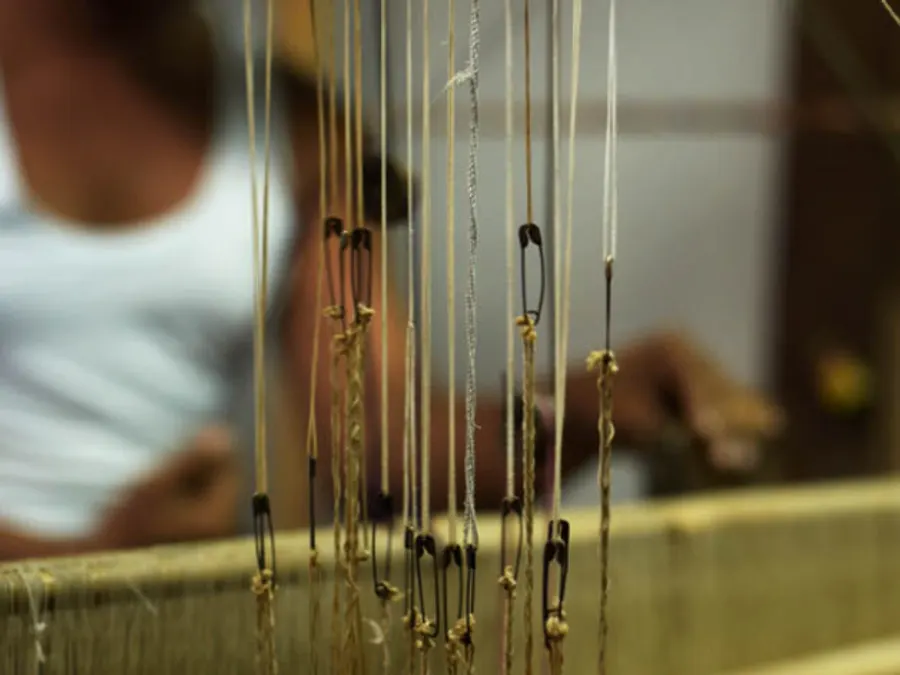
Indian handloom fabrics — Jamdani, Bandhani, block-prints, ikats, tussar and the like — sell well in the USA when shipped as cut-length fabric to designers and home-decor brands, provided the consignment is correctly classified, labelled and cleared through US Customs and Border Protection (CBP). Most successful first-time exporters use FOB shipments from Nhava Sheva or Mundra, hold an RCMC from the Handloom Export Promotion Council (HEPC), and route orders through a US-based importer who handles CPSIA and labelling on their side.
Who buys in the USA and what product fits
The US handloom buyer is rarely a department store; it's typically a small-batch fashion label, an interior designer, a sustainable-home brand, an ethnic-wear boutique, or a museum shop. These buyers purchase fabric by the metre (your primary SKU), not stitched garments, and they want specific weaves: Bengal Jamdani, Chanderi and Maheshwari, Pochampally and Patan Patola ikat, Bagru and Sanganer block-prints, Kutch Bandhani, Bhagalpur tussar. Adjacent SKUs that travel well are made-ups — cushion covers, table runners, throws, scarves/stoles — and quilt-weight cotton for the craft market. Sell by length, not by piece, and supply accurate GSM and shrinkage data.
Export mechanics from India
- IEC from DGFT is mandatory before the first shipment.
- GST: file a Letter of Undertaking (LUT) on the GST portal to export under zero-rated LUT; alternatively, export under bond and claim refund of input credit.
- RCMC with HEPC (Handloom Export Promotion Council), which also runs buyer-seller meets and TR-Plus fairs relevant to the US market.
- Shipping bill filed at the port of export in the ICEGATE system; pair with the RoDTEP script for rebate of embedded duties, and Drawback (AIR on cotton/handloom HTS) where applicable.
- Typical FOB ports: Nhava Sheva (JNPT) and Mundra for West-Coast US routings, Chennai for silk weaves heading to New York, and Kolkata for eastern Indian Jamdani and tussar.
Shipping, lead time and US compliance
Sea freight to Los Angeles/Long Beach runs 22–32 days port-to-port from Nhava Sheva; to New York/New Jersey allow 30–40 days. LCL is common for first 5–20 roll orders; full 20' FCL once a SKU is in repeat production. Use a licensed US customs broker — duty rates depend on HTS classification (Chapters 50–60), fibre content, and whether the fabric is printed, dyed or of silk; verify current rates with CBP. Non-negotiable US requirements:
- FTC country-of-origin marking ("Made in India") on each piece or roll.
- Textile Fiber Products Identification Act labels (fibre content, country, manufacturer/importer identity, RN number held by the US importer).
- CPSIA if any textile is intended for children under 12 — lead content, phthalates and tracking labels apply.
- California Prop 65 warnings where residual chemicals in dyes/finishes may trigger exposure liability.
- Flammable Fabrics Act for anything sold as wearing apparel.
MOQ, pricing, samples and quality
MOQ for a new design is usually 50–200 m (block-prints and Jamdani at the lower end, ikats and Patan Patola at 200–500 m because of pattern repeats). Sell samples at 1–3 m, priced FOB India, freight prepaid or collect. Quote in USD per metre, FOB Indian port, with GSM, width, shrinkage and recommended care. Carry the Handloom Mark (Textile Committee) and, where eligible, the India Handloom Brand logo — both are credible third-party signals. If your weave has a Geographical Indication tag (Banarasi, Chanderi, Pochampally Ikat, Patan Patola, Ilkal, Tangaliya, etc.), use it on the selvedge, hangtag and invoice — US buyers will pay a premium and audit misuse.
Bottom line
Handloom by-the-metre is the cleanest entry SKU for the US market: low CMS complexity, strong designer demand, and room for GI-led premium pricing. Get the IEC, LUT and HEPC RCMC in place, ship FOB Nhava Sheva or Mundra under RoDTEP, and let a US importer/broker own CPSIA, Prop 65, label and CBP clearance on the other side. Treat the first shipment as a sample run of 5–10 designs; scale designs that reorder within 60 days.
FAQ
What are the key export regulations for shipping handloom textiles from India to the USA?+
Exporters must comply with India's Foreign Trade Policy, obtain an IEC code from DGFT, and ensure the consignment meets US Customs and Border Protection (CBP) requirements, including accurate HS codes (typically Chapter 50, 51, 52, or 58) and a commercial invoice with country of origin marked as 'Made in India'. Textiles must also comply with US Consumer Product Safety Commission (CPSC) flammability standards for clothing and furnishings.
Do handloom textiles require any special certifications or documentation for the US market?+
Yes, exporters should obtain a Certificate of Origin from the Textile Committee or FIEO, and a Handloom Mark or Silk Mark label (for silk products) is recommended to verify authenticity. A fumigation certificate and phytosanitary certificate may be required for natural fiber textiles packaged with straw or wooden materials.
Get an export quote for the USA
One RFQ reaches verified Indian handloom & handwoven textiles exporters — with MOQ, FOB pricing, and lead time to the USA.
Request a quote →