Export Wood Handicraft from India to Australia
Exporting Wood Handicraft from India to Australia: buyer demand, IEC/GST/EPCH mechanics, freight, Australia customs, MOQ and pricing — with verified Indian…
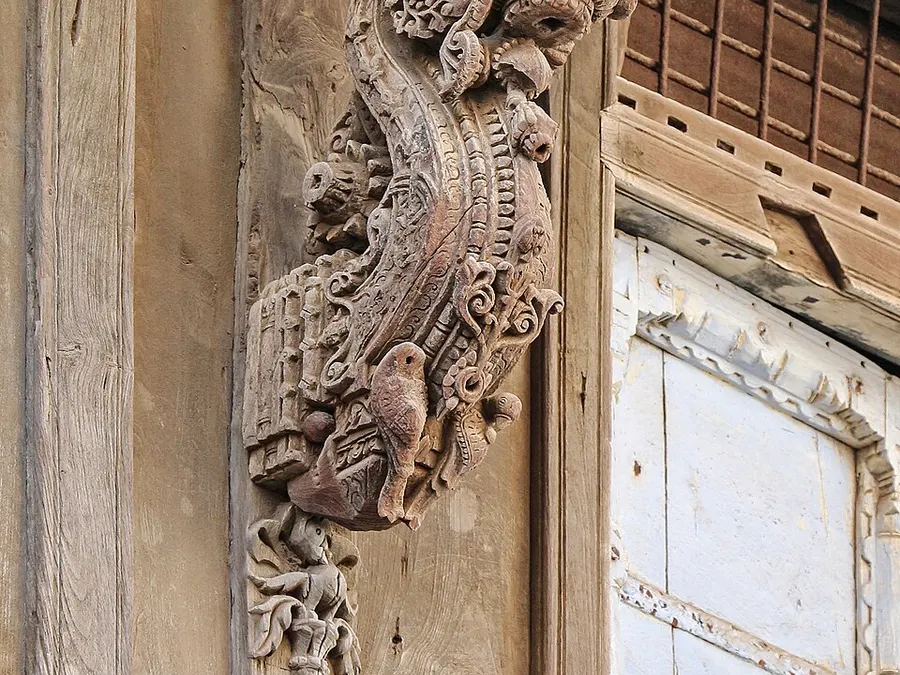
Saharanpur-style carved panels, mango-wood furniture from Rajasthan, Channapatna toys, and brass-inlaid boxes all travel well into Australia's home-decor retailers, interior designers, and the ethnic and museum-shop segment. Australians pay a premium for documented Indian provenance — and reject shipments carrying pests, smells, or damp packaging.
Who buys Wood Handicraft in Australia and what product fits
Demand channels:
- Indie home-decor shops in Sydney, Melbourne, Brisbane moving from MDF to solid-wood Indian pieces
- Furniture chains stocking ethnic and sustainable ranges
- Interior designers and hospitality fit-outs (resorts, restaurants)
- Online: Temple & Webster, Catch, Shopify sellers, plus diaspora retailers
Product fit:
- Sheesham and mango-wood carved trays, boxes, jewellery cabinets
- Hand-painted decor, Channapatna-style toys, painted panels
- Small furniture: side tables, stools, jali screens, headboards
- Lacquered and brass-inlaid items (check finishes for VOC and lead)
Export mechanics from India
- IEC: mandatory 10-digit Import Export Code from DGFT, linked to your bank AD code.
- GST: file a Letter of Undertaking (LUT) on the GST portal to zero-rate exports without paying IGST; otherwise pay IGST and claim refund.
- Council registration: EPCH (Export Promotion Council for Handicrafts) issues the RCMC needed for handicraft shipments and to claim incentives.
- Incentives: RoDTEP credit is available on most handicraft HS codes (4420.19 / 4421.99), remitted as a scrip, not cash.
- Shipping bill: filed at port, typically with LUT and no IGST.
- Ports: Nhava Sheva (JNPT) and Mundra for Saharanpur, Rajasthan, and Gujarat clusters; Chennai for South Indian painted wood.
Shipping, lead time, and Australian compliance
Logistics
- Sea LCL: ~22–30 days Mumbai/Mundra to Sydney, Melbourne, Fremantle
- Sea FCL (20 ft): ~20–28 days; worth it only for full furniture loads
- Air: 4–7 days Mumbai to Sydney/Melbourne for small high-value boxes
Compliance — where shipments get held or refused
- Biosecurity: DAFF treats all wooden articles as regulated. Search the BICON (Biosecurity Import Conditions) database for the exact treatment and permit requirements before quoting. Expect heat treatment (56 °C core for 30 minutes) or methyl bromide fumigation, plus a phytosanitary certificate from India's Plant Quarantine authority.
- Cleanliness: bark-free, soil-free, visibly pest-free. Kiln-dried finished goods face less scrutiny than unseasoned timber.
- Packaging: ISPM 15 — solid-wood dunnage and pallets must be heat-treated and IPPC-stamped. Plywood, MDF, and processed-wood packaging are generally exempt.
- Customs and duty: Australian Border Force handles the declaration. The India–Australia ECTA (in force 29 December 2022) can offer preferential or zero duty on eligible wood articles with the right origin criteria and Certificate of Origin — verify the exact rate with ABF or a licensed broker.
- GST: 10% applies to most imported goods; declaration rules vary by consignment value.
MOQ, pricing, samples, and quality
- MOQ: carved decor and boxes often start at 50–100 pieces per style; furniture and jali screens are bespoke, quoted per order with a 10–20% deposit.
- Pricing: quote FOB India in USD or AUD, build 25–35% margin to absorb 10% GST, freight, and broker fees. For ECTA preference, attach a Certificate of Origin to the shipment.
- Samples: send physical samples — buyers judge wood grain, weight, finish, and the absence of insect pinholes.
- Quality and GI: Saharanpur wood craft and Channapatna toys carry GI tags that support a price premium. Use kiln-dried timber (under 12% moisture), low-VOC finishes, and lead-free paints to meet Australian Consumer Law product-safety expectations.
Bottom line
Australian buyers pay a real premium for clean, kiln-dried, well-finished Indian wood craft with a clear provenance story — but they will reject a single shipment that arrives with bark, live pests, or untreated pallets. Lock down BICON treatment and ISPM 15 packaging before quoting, register with EPCH and claim RoDTEP, file the LUT for GST zero-rating, and use the India–Australia ECTA preference to keep landed cost competitive.
FAQ
What biosecurity requirements apply to wood handicrafts imported from India into Australia?+
Wooden goods entering Australia must comply with the strict biosecurity rules administered by the Department of Agriculture, Fisheries and Forestry to prevent pest and disease entry. Exporters are typically required to provide a phytosanitary certificate issued by Indian authorities and proof of approved treatment, such as fumigation or kiln drying, depending on the timber species.
Do I need to pay GST and import duty on wood handicrafts shipped from India to Australia?+
Yes, commercial imports into Australia generally attract the 10% Goods and Services Tax (GST) and any applicable customs duty determined by the product's classification under the Australian Harmonized Tariff Schedule. Because duty rates vary by HS code, wood type, and product finish, exporters and importers should verify the exact rate with Australian Border Force or a licensed customs broker before shipping.
Get an export quote for Australia
One RFQ reaches verified Indian wood handicraft exporters — with MOQ, FOB pricing, and lead time to Australia.
Request a quote →