Export Wood Handicraft from India to Canada
Exporting Wood Handicraft from India to Canada: buyer demand, IEC/GST/EPCH mechanics, freight, Canada customs, MOQ and pricing — with verified Indian exporters.
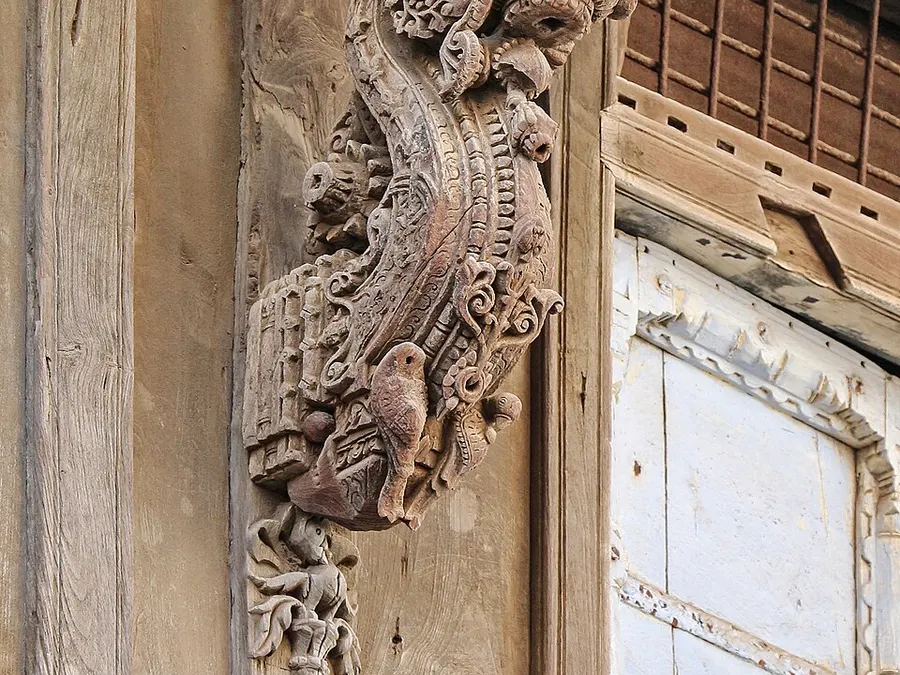
Wood Handicraft from India sells well in Canada through home-decor boutiques, museum gift shops, and South Asian diaspora retailers — products that fit best are FSC-friendly sheesham and mango wood homeware (carved boxes, trays, candleholders, kitchenware), Kashmir walnut decor, and Channapatna toys/lacquerware, with ISPM-15 compliant packaging and bilingual EN/FR labelling on consumer boxes.
Who buys and what product fits
Canada's wood-handicraft buyer pool mirrors the US but is smaller and more concentrated. Three segments matter:
- Home-decor independents and chain stores (e.g., HomeSense-type buyers, EQ3, Linen Chest, boutique stores in Toronto, Vancouver, Montreal). They want handcarved boxes, photo frames, carved wall panels, and painted accent pieces in light to mid-tone wood (mango, acacia, sheesham) — natural and whitewashed finishes outsell dark rosewood here.
- South Asian diaspora retailers, especially in the Greater Toronto Area, Surrey (BC), and Brampton, who reorder carved deities, wedding decor, chowki, and puja items; walnut from Kashmir and Saharanpur work sell strongly.
- Museum, boutique hotel, and corporate gifting channels want heavier items — carved trays, small furniture, photo frames — with consistent finishing.
Avoid: raw/unfinished timber, damp-smell stock, and items that read "temple" for mainstream general retail.
Export mechanics from India
- IEC is mandatory for any export shipment, applied for on the DGFT portal.
- GST LUT (Letter of Undertaking) on the GST portal lets you export under bond/LUT without paying IGST, preserving working capital — standard for handicraft units.
- EPCH (Export Promotion Council for Handicrafts) membership with an RCMC is the relevant council for wood handicraft and unlocks MAI/ITDA scheme benefits and the Handicraft EPCIS for import duty preference in some partner markets.
- Shipping bill filed at the port of export; for wood handicraft, FOB is usually quoted from Nhava Sheva (JNPT) for South Indian Channapatna/sandals and Mundra for North Indian clusters (Saharanpur, Jodhpur, Jaipur).
- Use HS code 4420.19 / 4420.90 (wooden articles, ornamental) on the shipping bill and invoice; misclassification as 9403 (furniture) is a common error — keep carved stools/trays under 4420 unless they are clearly functional furniture.
Shipping, lead time, and Canadian customs
- Sea freight is the default. Transit to Montreal is ~28–34 days, to Vancouver ~32–40 days, usually with transhipment via Singapore or Hong Kong. LCL is fine for mixed homeware cartons; 20' FCL makes sense above ~15 CBM.
- Wooden packaging must be ISPM-15 compliant (heat-treated or methyl-bromide fumigated, marked). CBSA will hold or re-export non-compliant pallets.
- CBSA (Canada Border Services Agency) is the customs authority. Verify applicable duty, GST/HST, and any provincial sales tax with them or a Canadian customs broker — rates vary by HS code and province (ON, BC, QC apply HST/PST/QST differently). Do not quote specific rates here.
- Bilingual labelling (English and French) is required under the federal Consumer Packaging and Labelling Act for consumer products — country of origin, fibre/content if applicable, and care notes.
- Phytosanitary and CITES: untreated raw-wood items may need a phytosanitary certificate; Dalbergia (rosewood) and sandalwood need a CITES export permit from the Indian side, and CITES import permit from Canada. Confirm before quoting.
MOQ, pricing, samples, and quality/GI notes
- MOQ: keep trial orders at 50–150 units per SKU for Canadian independents; larger chains expect 300+. Offer mix-and-match cartons.
- Pricing: quote FOB Nhava Sheva / Mundra, USD, with HSN, unit weight, and carton dimensions. Landed cost usually lands at 2.2–2.6× ex-factory after freight, duty, and retail markup.
- Samples: $40–120 per piece + DHL/FedEx (5–7 days). Use a separate commercial invoice and avoid "gift" declarations.
- Quality: kiln-dried stock (8–12% MC), smooth sanding, consistent stain, no lead-based paint — request EN 71-3 / CPSIA test reports for any item marketed to children (Channapatna with vegetable dyes is usually fine; metallic-paint lacquerware needs testing under the Canada Consumer Product Safety Act).
- GI leverage: use Saharanpur woodcraft, Kashmir walnut woodcarving, and Channapatna toys GI tags on packaging and marketing — Canadian heritage-curious buyers respond to provenance.
Bottom line
Wood Handicraft from India reaches Canadian buyers best as FOB shipments of carved homeware and walnut decor from Mundra/Nhava Sheva via Montreal or Vancouver, shipped under EPCH cover with GST LUT. Treat ISPM-15 packaging, CBSA paperwork, bilingual labels, and any CITES paperwork (rosewood, sandalwood) as non-negotiable, and lean on Saharanpur and Channapatna GI stories to stand out from generic Asian wood decor.
FAQ
What documents are required to export wood handicrafts from India to Canada?+
You typically need a Commercial Invoice, Packing List, Bill of Lading/Airway Bill, Certificate of Origin, Shipping Bill filed via ICEGATE, and a phytosanitary or fumigation certificate for wooden goods, plus CITES permits if the wood is a protected species.
Are there import duties on Indian wood handicrafts entering Canada?+
Canada's Most-Favoured-Nation (MFN) duty rate applies to most Indian wood handicrafts as no comprehensive free trade agreement exists, and the Canada Border Services Agency will also collect the federal Goods and Services Tax (GST) and any applicable provincial sales tax on the duty-inclusive value.
Get an export quote for Canada
One RFQ reaches verified Indian wood handicraft exporters — with MOQ, FOB pricing, and lead time to Canada.
Request a quote →