Export Wood Handicraft from India to Germany
Exporting Wood Handicraft from India to Germany: buyer demand, IEC/GST/EPCH mechanics, freight, Germany customs, MOQ and pricing — with verified Indian exporters.
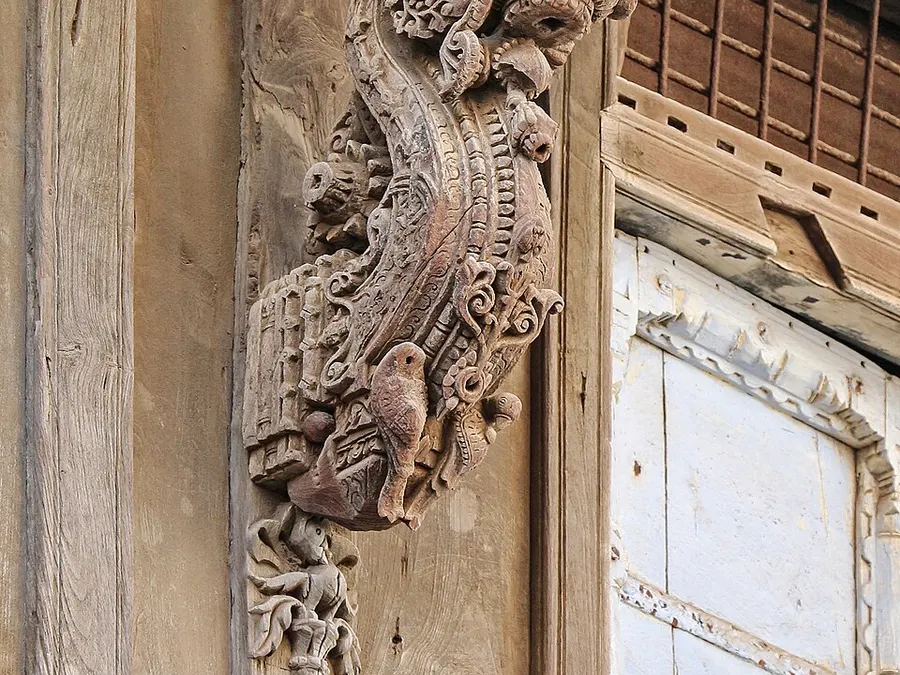
Wood Handicraft from India sells in Germany when it pairs visible craft (hand-carving, kundan-style inlay, block-painted motifs) with the kind of documentation German retail buyers ask for: clear wood species, food-safe or low-VOC finishes, and a paper trail on sustainability. The fastest path to revenue is through small-batch, design-led home décor and kitchenware rather than heavy furniture, where Indian exporters face direct competition from Eastern Europe at lower freight cost.
Who buys Wood Handicraft in Germany and what fits
German buyers split into four reliable channels: independent home décor and lifestyle boutiques (often in cities like Munich, Hamburg, Berlin); concept stores focused on "natural living" and FSC-traceable goods; seasonal Christmas-market wholesalers (Kassel, Nuremberg, Erfurt) sourcing carved figurines, nutcrackers, and tree ornaments; and museum or heritage shops looking for Indian folk craft with provenance. The best fit is small, shippable, and design-light: hand-carved trays, inlay boxes, wooden candleholders, kitchenware (chopping boards, salt cellars, spoons), and painted wall pieces in muted palettes. Heavy, made-to-order furniture is feasible but needs longer lead times and German-language technical packs.
Export mechanics from India
Obtain an IEC from the DGFT (mandatory for any export shipment). Register with EPCH (Export Promotion Council for Handicrafts) and obtain an RCMC to access scheme benefits and buyer intros. File a Letter of Undertaking (LUT) under GST to export without paying IGST, or claim a refund of IGST paid on inputs via the GST portal. For each shipment, file a shipping bill on ICEGATE and claim RoDTEP benefits on the export value. Most Saharanpur and Jodhpur shippers move cargo FOB from Nhava Sheva (JNPT) or Mundra; cluster-based Noida/Saharanpur exporters also use ICD Tughlakabad. Keep a phytosanitary-cleanliness note ready, as wooden items can attract attention at EU borders.
Shipping, lead time and German/EU compliance
Sea freight to Hamburg or Bremerhaven runs roughly 18–25 days, plus 2–3 days road to inland destinations; air to Frankfurt is 4–6 days at 4–6× the cost. German customs clearance is handled by the Generalzolldirektion (German Federal Customs Authority / Zoll), and import duty/VAT rules are set under the EU Customs Union — verify the exact tariff line and any suspension in the EU TARIC database before quoting. Wood items may fall under EUTR (EU Timber Regulation), requiring you to keep species, origin, and supplier documents for at least five years. Surface coatings, paints, and adhesives are governed by REACH (SVHC declarations); only items covered by specific EU directives (e.g., toys, certain furniture) carry a CE mark — confirm applicability with a Notified Body rather than self-declaring.
MOQ, pricing, samples and quality notes
German boutique buyers typically expect MOQs of 100–300 pieces per style for a first PO, with repeat orders relaxing to 50. Quote FOB India in EUR or USD using Incoterms 2020, and build in a 8–12% margin for returns, since German B2B buyers often claim 5–10% damages on opening. Samples take 2–3 weeks; send via DHL/FedEx with a proforma invoice and recover the cost against the first order. Use kiln-dried, FSC-preferred or plantation hardwoods (Mango, Acacia, Sheesham), food-safe mineral oils or low-VOC lacquers, and reject reactive stains. For origin-led lines, leverage Geographical Indications like Saharanpur Wood Craft — German buyers recognise and will pay a small premium for registered GI.
Bottom line
Indian wood handicraft wins in Germany on design and certification, not on price. Lead with small, finish-safe, well-documented items, ship FOB Nhava Sheva or Mundra to Hamburg, and treat EUTR, REACH, and the EU TARIC as non-negotiable reading before you quote. Get IEC, EPCH-RCMC, and GST LUT in place first, and only then approach buyers at Frankfurt Ambiente or Ambiente partners.
FAQ
What phytosanitary documentation is required to export wood handicrafts from India to Germany?+
All wood packaging material (pallets, crates, dunnage) used for shipment must be heat-treated or methyl-bromide fumigated and visibly marked with the IPPC 'ISPM-15' stamp, as mandated by the EU. Additionally, a Phytosanitary Certificate issued by India's Directorate of Plant Protection is recommended for consignments containing raw, unpolished, or semi-finished wooden items.
Do Indian wood handicraft exporters need CITES permits for shipments to Germany?+
Yes — if the wood species used is listed under CITES (such as Indian rosewood, sandalwood, red sanders, or certain teak variants), the exporter must obtain a CITES Export Permit from the Wildlife Crime Control Bureau of India. The German importer must simultaneously secure a corresponding CITES Import Permit from the Federal Agency for Nature Conservation (BfN) before the goods can clear customs.
Get an export quote for Germany
One RFQ reaches verified Indian wood handicraft exporters — with MOQ, FOB pricing, and lead time to Germany.
Request a quote →