Export Wood Handicraft from India to the Netherlands
Exporting Wood Handicraft from India to the Netherlands: buyer demand, IEC/GST/EPCH mechanics, freight, the Netherlands customs, MOQ and pricing — with verified…
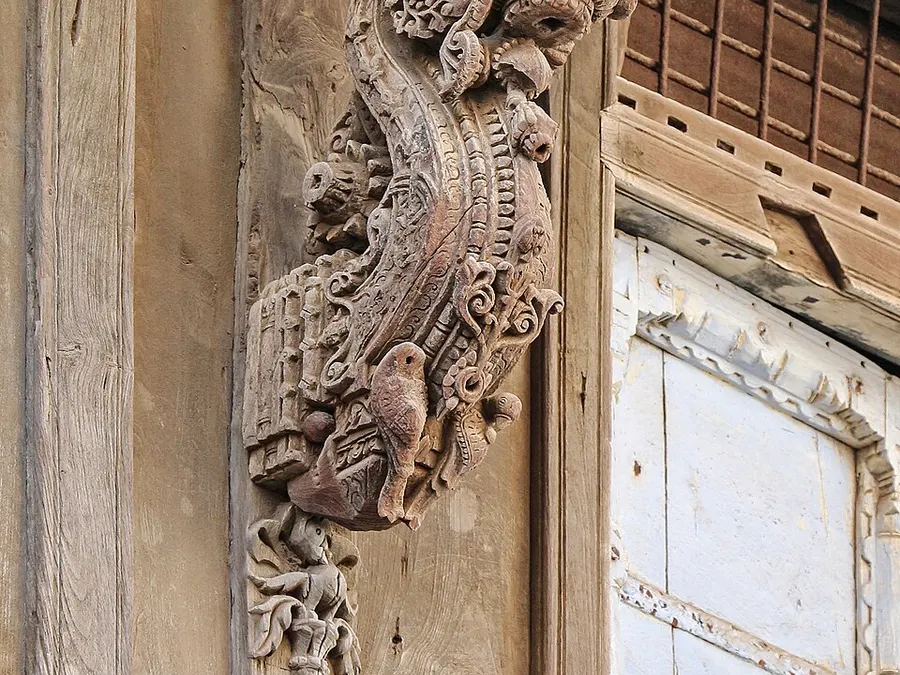
Dutch buyers prize Indian wood handicraft that blends traditional carving with minimalist, sustainable design sensibilities. Rotterdam's port and the Netherlands' role as an EU redistribution hub make it a smart entry point for Indian exporters who meet EU compliance on wood legality, finishes, and labelling.
Who buys Wood Handicraft in the Netherlands and what product fits
- Interior designers and concept stores (Amsterdam, Rotterdam, Utrecht) seek carved decorative objects, small carved tables, and wall panels with a folk-meets-Scandi aesthetic — mango wood and sheesham trays, kadam carved bowls, and Saharanpur-style handcarved panels all perform well.
- Home & lifestyle retailers and museum shops order handcarved boxes, candleholders, and painted wood craft for gifting — sandalwood and rosewood boxes (note CITES constraints) are premium SKUs but require permits.
- Hospitality buyers (boutique hotels, restaurants) source carved furniture accents, partition screens, and tableware — mid-sized carved side tables and headboards are repeat-order items.
- Rotterdam-based wholesalers/distributors re-distribute across the EU and prefer FCL loads with mixed carved-decor SKUs and consistent carving quality.
Export mechanics from India
- IEC (Import Export Code) from DGFT — mandatory and applied online.
- GST LUT (Letter of Undertaking) for zero-rated export supply, filed annually on the GST portal; alternatively claim refund of IGST.
- EPCH membership + RCMC for handicraft exporters — unlocks MAI/MEA marketing assistance and EPCH buyer-seller meets.
- Shipping Bill filed at the port of export under FOB Incoterms, with invoice, packing list, certificate of origin, and fumigation certificate for wood.
- Typical FOB ports: Nhava Sheva (JNPT) for West India, Mundra for North India containerised cargo, and ICD Tughlakabad via rail.
- HS codes typically fall under 4420.99 (wooden statuettes/ornaments) or 4421.99 (other articles of wood) — confirm exact classification with customs.
- RoDTEP benefits and IGST/drawback refunds available on inputs.
Shipping, lead time, and destination customs/compliance
- Sea: 22–28 days Mumbai/Mundra → Rotterdam, often direct or via Hamburg/Antwerp transhipment.
- Air: 5–7 days to Amsterdam Schiphol, used for high-value carved furniture samples.
- Destination authority: Belastingdienst Douane (Dutch Customs), operating under the EU Customs Union.
- EU Timber Regulation (EUTR): must prove legal harvest via FLEGT licence or due-diligence documentation.
- CITES permits required for sandalwood, Indian rosewood (Dalbergia), and other protected species used in carved boxes and furniture.
- REACH compliance for lacquers, paints, and finishes — Safety Data Sheets and SVHC declarations are typically requested.
- Painted wood craft marketed as toys (e.g., Channapatna-style) may need EN 71 compliance and CE marking.
- ISPM-15 compliant heat-treated wooden packaging is mandatory for all cargo entering the EU.
- Customs duty is based on CIF value per the applicable HS code — verify current rates with Belastingdienst Douane or the EU TARIC database before quoting.
MOQ, pricing, samples, and quality/GI notes
- MOQ: 50–100 units per SKU for carved decor/boxes; 5–10 sets for carved furniture.
- Pricing: ex-works India; add FOB premium for palletised, ISPM-15 compliant packaging.
- Samples: €50–€150 per piece + courier (DHL/UPS); Dutch buyers expect samples within 10–14 days, shipped under a sample shipment declaration.
- Quality: kiln-dried wood (8–12% moisture), smooth sanding, food-safe finishes for kitchenware, child-safe paints for toys.
- GI leverage: Saharanpur wood carving and Channapatna toys carry GI tags — promote these as authenticity markers in catalogues.
- Sustainability: Dutch buyers increasingly ask for FSC certification or reclaimed-wood declarations; even informal traceability documents support sales.
Bottom line
The Netherlands rewards Indian wood handicraft exporters who combine Saharanpur/Channapatna craftsmanship with EU compliance (EUTR, REACH, CITES where applicable) and ISPM-15 packaging. Start with one carved-decor SKU, attend trade shows such as Ambiente or MOW, and ship FOB Nhava Sheva/Mundra to Rotterdam via established LCL/FCL services. Always confirm current duty rates and any EU regulatory updates with Belastingdienst Douane before finalising quotations.
FAQ
What documents are required to export wood handicrafts from India to the Netherlands?+
Exporters typically need a commercial invoice, packing list, bill of lading/airway bill, certificate of origin (issued by the Chamber of Commerce), fumigation or phytosanitary certificate, and an HS code classification (commonly 4420 or 4421). For handmade or artisanal items, an Artisans' Card or handicraft certificate from the Export Promotion Council for Handicrafts (EPCH) can support claims related to origin.
What are the phytosanitary and packaging requirements for wood handicrafts entering the Netherlands?+
Wood packaging material (pallets, crates, dunnage) must comply with ISPM-15 standards, meaning it must be heat-treated or methyl bromide fumigated and marked with the IPPC stamp. The consignee is also advised to confirm whether the specific wood species used is subject to CITES (Convention on International Trade in Endangered Species) permit requirements, as rosewood (Dalbergia) and certain other species require export permits from India and import permits from the EU.
Get an export quote for the Netherlands
One RFQ reaches verified Indian wood handicraft exporters — with MOQ, FOB pricing, and lead time to the Netherlands.
Request a quote →