Export Wood Handicraft from India to the UK
Exporting Wood Handicraft from India to the UK: buyer demand, IEC/GST/EPCH mechanics, freight, the UK customs, MOQ and pricing — with verified Indian exporters.
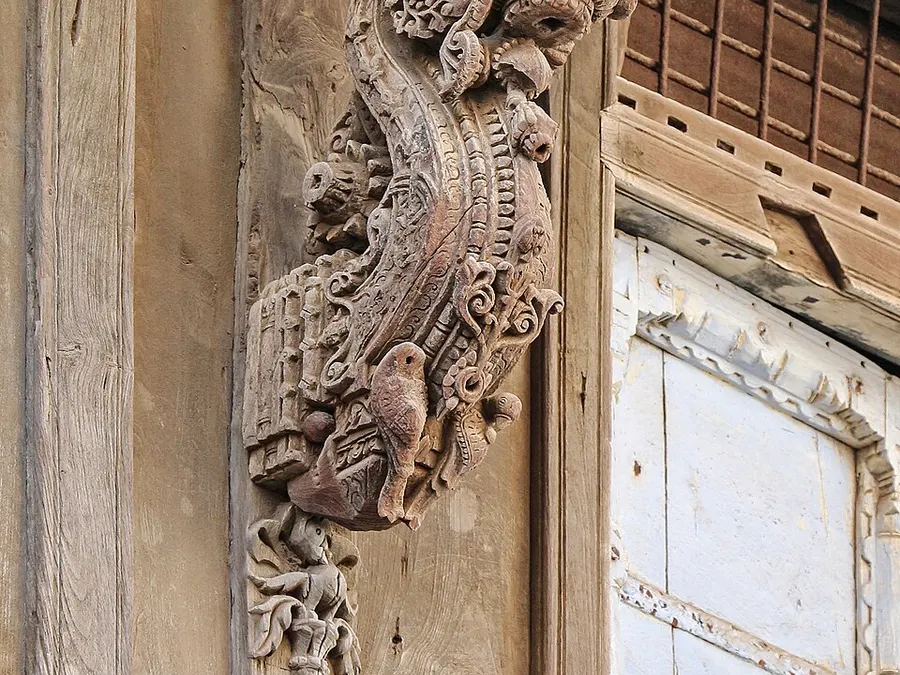
The UK is a steady buyer of Indian wood handicraft, and the safest entry is a hand-finished, décor-grade product (carved boxes, trays, candleholders, wall art) shipped by sea from Nhava Sheva. Get three things right from day one: IEC + EPCH membership with RCMC, GST LUT for zero-rated export supply, and HMRC-compliant paperwork on wood origin so your cargo clears first time.
Who buys Wood Handicraft in the UK and what product fits
UK demand is split across three buyer types, and the right SKU differs for each:
- Independent homeware and gift shops (often on platforms like Faire or Notonthehighstreet): small carved boxes, inlay trays, candleholders, and decorative bowls in walnut, sheesham, or mango wood. Order values are small but repeat.
- E-commerce sellers (Etsy, Amazon Handmade, own Shopify stores): lightweight painted wood, seasonal décor, and kitchenware like chopping boards or spice boxes. Shipping cost-per-kg matters more than per-piece pricing here.
- Interior designers and contract buyers: larger carved panels, headboards, mirror frames, and occasional furniture. Higher MOQ, longer lead times, but better unit value.
Avoid untreated outdoor furniture unless you can prove ISPM-15 compliance — UK garden-centre buyers have been burned by mould and warping claims on Indian consignments.
Export mechanics from India
For an India-based exporter, the standard stack applies:
- IEC from DGFT is mandatory; without it, no bank will process your foreign currency remittance.
- EPCH (Export Promotion Council for Handicrafts) membership with an RCMC lets you claim RoDTEP benefits and access IHGF Delhi Fair buyer connects. Since wood handicraft falls under the EPCH product list, use their HS code guidance.
- GST LUT (Letter of Undertaking) on the GST portal lets you export without paying IGST — file before your first shipment. If you skip this, you will lock up working capital as refund claims.
- Shipping Bill is filed at the port (electronic, through ICEGATE). Choose Nhava Sheva (JNPT) for Mumbai-origin goods; Mundra works well for Rajasthan and Gujarat (Jodhpur, Jaipur painted wood, Saharanpur carved items via ICD Tughlakabad then Mundra).
- FOB India is the default incoterm; UK buyers will arrange their own haulage from Felixstowe, Southampton, or London Gateway.
Shipping, lead time, and UK customs
Sea transit from Nhava Sheva to Felixstowe is roughly 18–24 days; air from Delhi or Mumbai to Heathrow is 2–3 days but only economic for small, high-value items. Use ISPM-15 compliant wooden pallets and dunnage — UK Border Force inspects this and will re-export non-compliant packaging at your cost.
For duty and VAT, talk to HM Revenue & Customs (HMRC) or a UK customs broker. Wood décor typically falls under Chapter 44 of the UK Global Tariff, but the exact heading and any applicable duty depend on HS classification and country of origin. UK importers (not you) are liable for import VAT and duty, so include the right commercial value and 6-digit HS code on your invoice. If the wood is finished with paints or lacquers, ask your buyer to confirm whether UKCA marking or REACH chemical compliance applies to the finished article.
CITES-listed species like Indian rosewood (Dalbergia sissoo) require a CITES export permit from the Wildlife Crime Control Bureau — non-negotiable.
MOQ, pricing, samples, and quality
- MOQ: 50–100 pieces for carved décor, 200+ for smaller painted items. First-time buyers usually start small.
- Samples: charge 2x FOB cost; ship by DHL/FedEx. Treat samples as a sales cost, not a freebie.
- Pricing: build CIF-to-door to compare with UK landed cost, then work back to FOB. Retail markups of 3–4x FOB are common in independent UK retail.
- Quality and IP: insist on kiln-dried timber; specify moisture content below 12% to prevent cracking in central heating. For GI-tagged crafts (Saharanpur woodcarving, Channapatna toys-and-wood), use the GI logo on packaging and invoices — UK buyers pay a small premium for provenance.
Bottom line
Wood handicraft sells well in the UK when you match the SKU to the channel — small carved décor for shops, painted pieces for online, and larger panels for designers. Sort IEC, EPCH-RCMC, GST LUT, ISPM-15 packaging, and any CITES permits before the first container, and confirm duty/VAT treatment with HMRC through a UK broker. Do that and Nhava Sheva to Felixstowe is a reliable lane with a 3–4 week cash-to-cash cycle.
FAQ
What documents are required to export wood handicrafts from India to the UK?+
Key documents include a commercial invoice, packing list, bill of lading or airway bill, certificate of origin (issued by an authorized agency in India), fumigation certificate (if applicable), and an export license if the wood species is regulated under CITES.
Are there any special phytosanitary or CITES requirements for wooden handicrafts entering the UK?+
Yes, wooden items must generally be free from bark and pests, and a fumigation or heat treatment certificate is often recommended. If the handicraft is made from timber species listed under CITES (such as rosewood or sandalwood), exporters must obtain a CITES export permit from the Indian Wildlife authorities and a corresponding import permit from the UK.
Get an export quote for the UK
One RFQ reaches verified Indian wood handicraft exporters — with MOQ, FOB pricing, and lead time to the UK.
Request a quote →