Export Wood Handicraft from India to the USA
Exporting Wood Handicraft from India to the USA: buyer demand, IEC/GST/EPCH mechanics, freight, the USA customs, MOQ and pricing — with verified Indian exporters.
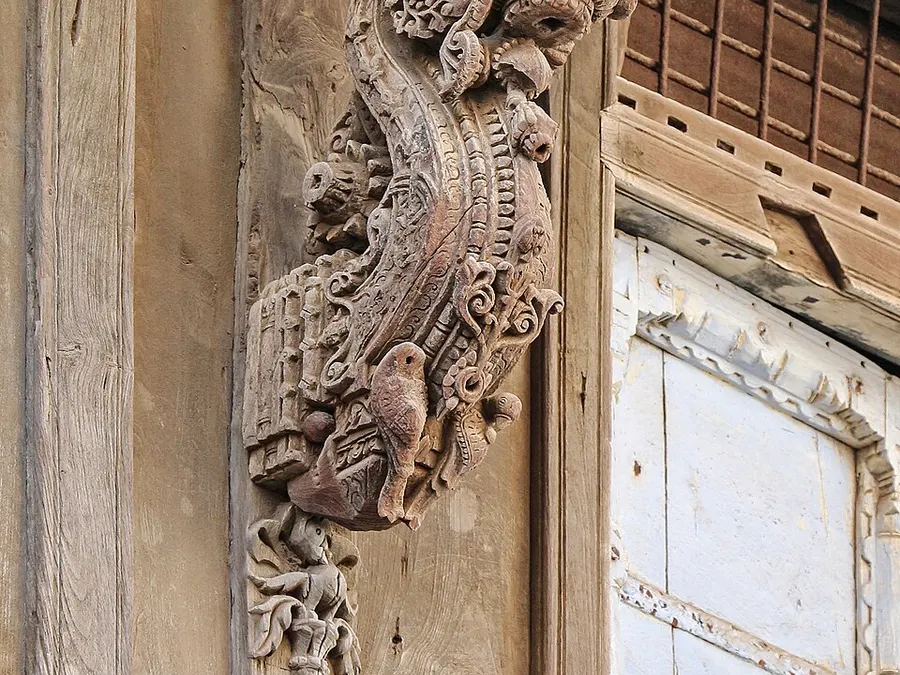
US buyers want hand-carved Indian wood for home decor, furniture, and lifestyle retail; exporters must line up Lacey Act wood declarations, ISPM-15 heat-treated packaging, and Prop 65/CPSIA checks on applicable finishes before the first shipment sails.
Who buys Wood Handicraft in the USA and what product fits
- Specialty importers and fair-trade wholesalers, decor chains (HomeGoods/HomeSense, World Market, Pier 1–type buyers), and boutique e-commerce sellers on Amazon, Etsy, and Wayfair.
- Hospitality and interior designers sourcing carved screens, headboards, side tables, and wall panels for boutique hotels and restaurants.
- Wedding and corporate gifting channels for carved boxes, trays, and small painted pieces.
Product fit: sheesham (Indian rosewood) and mango wood dominate because they are widely accepted and easier to document under US rules than teak or sandalwood. Painted wood from Rajasthan and Kashmiri papier-mâché wood on wood substrates command premiums. Boxes, trays, carved panels, small tables, and kitchenware (cheese boards, salt cellars) are the most consistent movers. GI-tagged Saharanpur woodcrafts carry a clear provenance story for premium buyers.
Export mechanics from India
- IEC from DGFT is mandatory and one-time.
- File the GST LUT on the GST portal to zero-rate exports without paying IGST and waiting on refunds.
- EPCH membership and an RCMC are effectively compulsory for handicraft exports to the US, both for MAI/MDA benefits and because most large US buyers ask for it.
- Shipping bill at the port of export; Nhava Sheva (JNPT) and Mundra are the workhorse FOB points for wood decor and furniture, with ICD Tughlakabad feeding northern cluster cargo.
- Claim RoDTEP scrip on export and monitor remittances under EDPMS.
- Skip teak and sandalwood unless you can produce a clean CITES trail — mango and sheesham move through US customs with far less friction.
Shipping & lead time to the USA; destination customs and compliance
- Sea transit: roughly 22–28 days to Los Angeles/Long Beach, 28–35 days to New York/New Jersey or Savannah from western Indian ports; air freight 5–7 days for samples and reorders.
- LCL works for decor, boxes, trays; switch to FCL (preferably 40HQ) for assembled furniture.
- US Customs and Border Protection (CBP) handles clearance. Always confirm the duty rate and HTSUS classification with CBP or your licensed customs broker — do not rely on quoted percentages.
- Lacey Act: a plant product declaration listing genus, species, country of harvest, and quantity is mandatory for every wood shipment into the US. Missing it risks seizure.
- ISPM-15: every wooden pallet and crate must be heat-treated (HT) and visibly marked; otherwise US customs will refuse entry.
- Prop 65 (California): buyers will ask about lead, cadmium, and formaldehyde on finishes and composite wood.
- CPSIA only kicks in for items marketed to children under 12 — tracking labels, lead-paint limits, small-parts testing.
- CARB Phase 2 applies to any composite wood (MDF, plywood) used in furniture sold into California.
MOQ, pricing, samples, and quality/GI notes for Wood Handicraft
- MOQ is item-driven: small decor and boxes 50–200 pieces per SKU, painted trays 100–300, carved furniture 5–20, one-off artisan pieces 1–10.
- Quote FOB Nhava Sheva or Mundra with a clean breakdown so the US importer can land and distribute predictably; build in 8–12% for warehousing, returns, and damages.
- Samples: 2–3 pieces at cost, plus DHL/FedEx 5–7 day courier; the buyer usually pays freight.
- Quality essentials: kiln-dry to 8–12% moisture, no live pests or boreholes, smooth sanding, consistent joinery, documented lead-free paints and lacquers, and clear species labelling to back the Lacey Act declaration.
- GI tags (Saharanpur woodcrafts, Channapatna toys) require registration with the GI authority before you can legally use them in marketing — worth it for premium channels.
Bottom line
Indian wood handicrafts sell in the US on craft authenticity, not commodity price. Build compliance into the order — Lacey Act, ISPM-15, Prop 65/CPSIA, EPCH membership — and quote FOB cleanly so importers can land and distribute without surprises. The current winners are sheesham furniture, hand-painted trays, and carved decorative panels moving into home and hospitality channels.
FAQ
What HS code should I use for exporting wooden handicrafts from India to the USA?+
Most wood handicrafts are classified under Chapter 44 of the Harmonized System, commonly under HS code 4420.99 (wood marquetry, caskets, and other wooden articles not elsewhere specified). The exact sub-code depends on the specific item, and you should confirm classification with a customs broker or the DGFT guidelines before shipping.
Do wooden handicrafts shipped to the USA need to comply with the Lacey Act?+
Yes, the U.S. Lacey Act requires an import declaration for virtually all wood and plant products, including handicrafts. Indian exporters must provide the scientific (Latin) name of the wood species, country of harvest, and other details on a PPQ-505 form, so keep species documentation and chain-of-custody records ready before export.
Get an export quote for the USA
One RFQ reaches verified Indian wood handicraft exporters — with MOQ, FOB pricing, and lead time to the USA.
Request a quote →