EPCH: How the Handicraft Export Promotion Council Helps Exporters
What EPCH (Export Promotion Council for Handicrafts) does for Indian exporters — RCMC, IHGF trade fairs, buyer-seller meets, and market development — and h
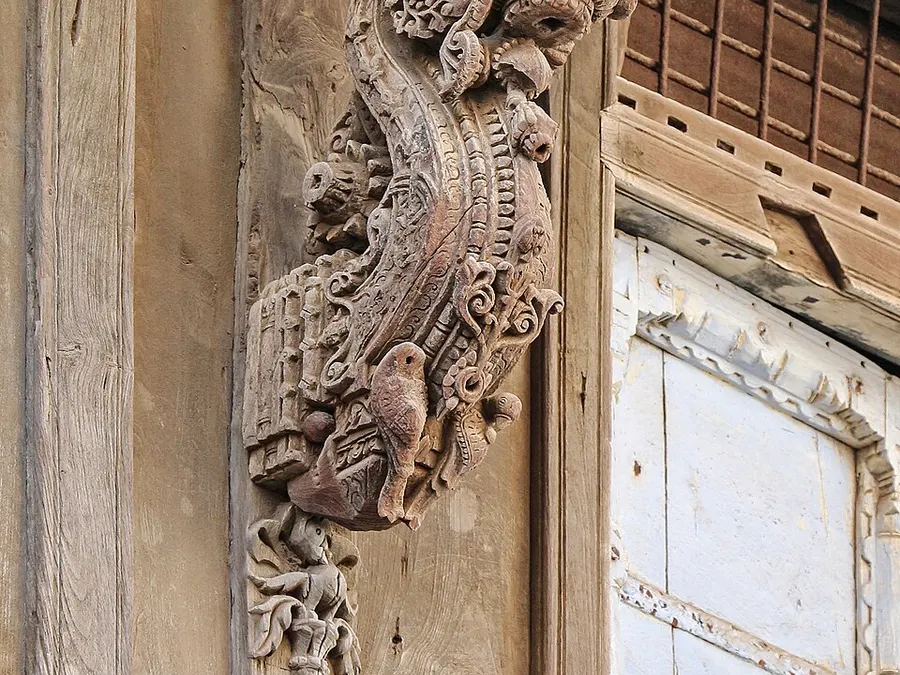
EPCH — the Export Promotion Council for Handicrafts — is the official industry body recognised by the Indian government for handicrafts and allied products. For exporters, it is the single most important non-government partner you will work with: it issues the RCMC, runs India’s flagship handicraft trade fair (IHGF), and acts as a bridge between small artisans and overseas buyers. This guide covers what EPCH actually does, which of its services matter to your business, and how to apply for membership.
What EPCH is, and who it serves
EPCH was set up by the Ministry of Textiles / Ministry of Commerce to promote Indian handicrafts and cottage-industry goods to global markets. Its remit covers handcrafted products including home décor, textiles, woodenware, metalware, leather, jewellery, papier-mâché, stonework, and similar artisan-made goods. The full scope of covered products and HS codes is listed on EPCH’s own site.
Membership is typically relevant if you are:
- A manufacturer-exporter of handicrafts based in India
- A merchant-exporter (trader) sourcing from Indian artisans
- An overseas buyer wanting to source directly from Indian supplier members
For Indian handicraft exporters, EPCH membership is effectively the entry ticket to most government export-promotion schemes and to a large share of credible overseas buyer activity.
The four things EPCH really does for you
Most of EPCH’s value to a working exporter falls into four buckets:
- RCMC issuance — the Registration-Cum-Membership Certificate, which is a precondition for most DGFT export benefits (see next section).
- Trade fairs and shows — primarily the Indian Handicraft and Gift Fair (IHGF) and other EPCH-organised or co-organised events.
- Buyer-seller meets and reverse buyer-seller meets — where EPCH flies in or curates foreign buyers to meet Indian sellers.
- Market development and capability — market studies, trend reports, design interventions, training, complaints/dispute support, and lobbying on behalf of the sector with government.
RCMC: the certificate that unlocks DGFT benefits
The RCMC is the single most practical reason most exporters join EPCH. Under India’s Foreign Trade Policy, several export promotion schemes — including duty drawback, RoDTEP, and various DGFT benefits — flow through your recognised Export Promotion Council. For handicrafts, that council is EPCH.
Practically, an RCMC is a one-time registration per IEC (Import Export Code) that proves to DGFT and customs that you are a genuine handicraft exporter and that you belong to the relevant EPC. It is referenced in your customs shipping bills, benefit claims, and many scheme applications. Without an RCMC, claiming a meaningful share of export incentives becomes harder.
You will need an IEC from DGFT, GST registration, and your business documents before applying. EPCH verifies your product mix falls within its covered categories before issuing the certificate.
Verify the current RCMC process, validity, and product eligibility on EPCH’s official membership page: epch.in/membership-registration.
IHGF, trade fairs, and buyer-seller meets
EPCH’s flagship event is the Indian Handicraft and Gift Fair (IHGF) — typically held in Greater Noida — which is the largest B2B handicraft sourcing show in India. It is the highest-leverage few days of the year for any Indian handicraft exporter: overseas buyers attend specifically to place orders, not browse generically.
Beyond IHGF, EPCH:
- Organises Indian pavilions and information booths at overseas fairs
- Runs virtual and physical buyer-seller meets where pre-screened Indian suppliers meet pre-qualified foreign buyers
- Brings foreign buyers to India for “reverse” buyer-seller meets, particularly around IHGF season
- Publishes buyer leads and trend information to members
A practical exporter checklist for IHGF season:
- Apply early — good stands and pre-scheduled buyer meetings go fast
- Have product samples, pricing, MOQs, and lead times ready in writing
- Get your IEC, GST, RCMC, and (if relevant) AD Code registration on file before invoicing
- Prepare shipping and packaging options for the buyers’ main destination markets (EU, US, Middle East, Japan, Australia)
Market development and capability support
Outside fairs, EPCH provides softer but real support: cluster development (working with artisan groups in specific craft belts), design and trend interventions, market access studies, and help with disputes or quality complaints from foreign buyers. It also represents the handicraft sector to the government on policy matters.
For an exporter new to a region — say Latin America or Eastern Europe — the council’s market notes and introductions are often a faster starting point than cold outreach.
How to apply for EPCH membership
The application process is run online. The official entry point is epch.in/membership-registration, which covers new membership, RCMC issuance, and renewals.
In general, the documents and steps you will need are:
- Valid IEC (Import Export Code) from DGFT
- GST registration on your business
- Company / firm / proprietorship documents as applicable
- Bank certificate or cancelled cheque
- Product list with HS codes that fall within EPCH’s covered categories
- Membership fee (as published on the official site; verify current amount)
- Application form submitted online, followed by document verification by EPCH
Always check epch.in/membership-registration for the latest fee, document list, and turnaround time before applying — these change.
Where EPCH sits in your export stack
Think of your India-side export stack as layered. At the base: IEC from DGFT, GST registration, and a current AD Code at your bank. In the middle: the RCMC from EPCH, which connects you to DGFT schemes and customs incentives like RoDTEP and drawback. On top: your actual selling channels — IHGF, B2B platforms, direct relationships, and networks like the global GreenFlip network (greenflip.org) for cross-border handicraft demand, of which GreenFlip India (greenflip.in) is the India desk.
EPCH does not replace your logistics partner, your customs broker, or your sales channels — but without an RCMC and an active council relationship, the rest of the stack is harder to operate at full strength.
Bottom line
If you export Indian handicrafts, joining EPCH and obtaining your RCMC is essentially a baseline requirement, not an optional extra. Start at epch.in/membership-registration to apply, and plan your IHGF participation early in the year. Combine EPCH’s market access with the global GreenFlip network to widen your buyer pipeline beyond the show floor.
FAQ
How can an Indian handicraft exporter become a member of EPCH?+
An Indian handicraft exporter can apply to EPCH by submitting an application along with documents such as a valid Import Export Code (IEC), business registration proof, and a banker's certificate. Once approved, the council issues a Registration cum Membership Certificate (RCMC), which is mandatory for claiming various export promotion benefits and government incentives under the Foreign Trade Policy.
What is IHGF and how does it benefit Indian handicraft exporters?+
IHGF (Indian Handicraft and Gift Fair) is EPCH's flagship annual fair held in Jaipur that brings together Indian manufacturers, artisans, and overseas buyers under one roof. It gives exporters a cost-effective platform to showcase products, identify trends, and secure direct export orders from international buyers without bearing the expense of individual overseas marketing trips.
How does EPCH support market development for Indian handicraft exporters?+
EPCH facilitates market development by organizing buyer-seller meets, trade delegations, and participation in leading international exhibitions on behalf of its members. It also circulates trade enquiries, market intelligence, and design updates to help Indian exporters identify new markets, diversify their buyer base, and stay aligned with global demand.
Ready to source?
Submit one RFQ and we route it to matched suppliers across 12 origins.
Request a bulk quote →