The India Export Calendar: Diwali, Christmas & Wedding Season Lead Times
Back-planning a seasonal buy from India: count backwards from the on-shelf date through sea freight, production, sampling and sign-off for Diwali, Christma
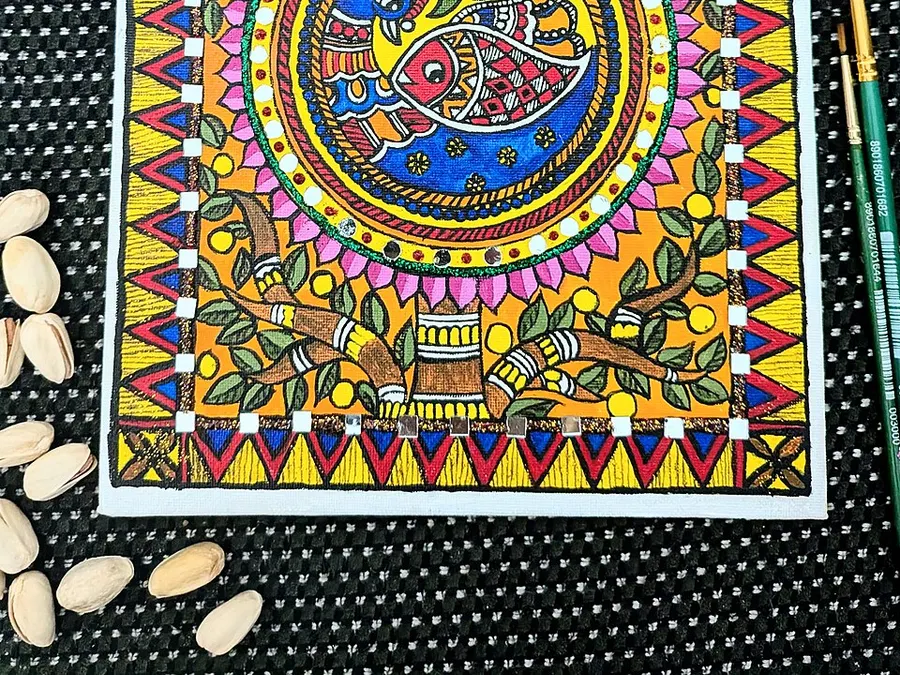
Seasonal buying from India is not a procurement problem; it is a calendar problem. Diwali, Christmas, Ramadan/Eid, and the Indian wedding season each pull on the same pool of karigars (artisans), packers, and freight capacity — so the exporter who plans backwards from the on-shelf date, and around the moments the Indian supplier calendar actually stops, is the one who ships on time. The rest pay expedite, miss the window, or eat the inventory.
Why the Indian export calendar is different
Handicraft export lead times are not a straight line from PO to delivery. They run through a working year that is shaped by:
- Religious and national holidays when karigars return to their hometowns (Diwali, Holi, Eid, Christmas, regional festivals).
- The southwest monsoon (roughly June–September), which slows transport, mud-dries certain finishes, and disrupts inland movement from clusters in Rajasthan, UP, Odisha, and the Northeast.
- Crop and wedding seasons in artisan villages, when household labour temporarily leaves the workshop.
- Cluster-level capacity. Moradabad (brass), Jodhpur/Jaipur (textiles, wood, blue pottery), Saharanpur (woodwork), Lucknow (chikankari), and Sivakasi (fireworks/paper craft) all peak together around Diwali and Christmas.
A realistic 2025–2026 plan therefore treats the calendar as a constraint, not a backdrop.
The four commercial peaks (and how they back-plan differently)
Diwali retail window (mid-Oct to mid-Nov). Diwali is the single largest Indian gifting and home-decor peak. Buyers for diaspora and South Asian shelves in the UK, US, Canada, and the Gulf typically want goods landed by early September. Production must therefore be locked in by June.
Christmas / Q4 gifting (mid-Nov to late Dec). Western retail, corporate gifting, and lifestyle chains. This is the peak season for snowglobes, ornaments, candles, textiles, and packaging-heavy lines. Sampling should ideally close by April–May; bulk production by July.
Ramadan / Eid (dates shift on the lunar calendar). For GCC, UK, EU, and African Muslim markets — dates, lanterns, prayer rugs, attar, and food-adjacent handicrafts. Confirm the year’s dates with the local religious authority or a regional chamber before back-planning; production is typically set ~6 months ahead.
Indian wedding season (Oct–Feb, with a Nov–Dec peak). Wedding trousseau, decor, brass, brass pooja items, gifting trunks, customised favours. Big fat Indian weddings plus diaspora demand mean exporters often have a parallel domestic and export order book — capacity is the bottleneck, not demand.
Back-planning maths: a worked Christmas example
A US boutique wants hand-stitched kantha throws and brass diyas on shelf by 15 November.
Working backwards:
- 15 Nov: Goods on shelf, US DC.
- Late Oct: Container cleared US-side, in store DC buffer. Sea transit India → US West Coast ~30–35 days; US East Coast ~38–45 days (verify current transit with the carrier; schedules shift).
- Late Sept: Container cleared at ICEGATE, vessel sails. Keep 5–7 days for customs examination risk.
- Mid-Sept: Cargo ready at warehouse, pre-shipment inspection done, fumigation/certificates in hand.
- Late Aug: Goods packed, QC passed, export invoice & packing list finalised.
- Mid-Aug: Bulk production complete; lab/QC testing (e.g., BIS where applicable for metals, REACH for EU, Prop 65 for California).
- July: Bulk production in full swing.
- June: PO confirmed, advance paid, trims/fabrics locked.
- April–May: Counter-sample approved (1st sample, 2nd sample with corrections, pre-production sample). For complex handmade work, allow one extra round.
Add buffers: 7–10 days for monsoon disruption (July–Aug), 5–7 days for Diwali factory slowdown in October, 3–5 days for any BIS/sample retest. If your cluster is in a single-village craft belt, add 1–2 weeks for karigar availability if the order overlaps a wedding or harvest week.
Where the Indian artisan calendar actually breaks
- Diwali week (mid-Oct to early-Nov): most clusters effectively shut for 7–14 days. Do not schedule finishing, packing, or inspection in this window.
- Chhath, Holi, Eid, Christmas, regional patron saint days: 1–3 day stoppages at cluster level; sequence cargo around them.
- Monsoon (Jun–Sep): inland trucking slows; water-based finishes (dyes, lacquers) need extra drying days; humidity can affect metal polish and paper goods.
- Karigar migration: between harvest, weddings, and local MGNREGA work, skilled hand labour can be temporarily unavailable in small clusters. Plan for substitutes, or stagger orders.
- Power and water cuts: schedule finishing-heavy work outside predictable outage hours, or pick clusters with reliable captive power.
Operational checklists for each phase
Sampling (T-6 months to T-4 months)
- Counter-sample → revised sample → pre-production sample (PPS) sign-off in writing.
- Lock trims, lining, hardware, packaging, barcodes, hangtags.
- Confirm labelling compliance: country of origin, fibre content, care labels, BIS mark where mandated.
Bulk production (T-4 to T-2 months)
- Pre-production meeting at the workshop; agree daily output and inspection cadence.
- Mid-production QC at ~30% completion — cheapest place to fix a defect.
- BIS testing (where applicable) and buyer-specific tests (REACH, Prop 65, lead/cadmium for children’s items, AZO for textiles).
Shipping (T-2 months to T-3 weeks)
- IEC (Importer-Exporter Code) active on the DGFT portal; verify before booking.
- Shipping bill filed at ICEGATE; let export do the customs work, not the buyer.
- RoDTEP and RoSCTL/ROSCTL scrolls to track (verify current schemes and remission rates on the DGFT site before quoting).
- EPC (Export Promotion Council) membership — for handicrafts, this is EPCH (Export Promotion Council for Handicrafts). The council’s RCMC and market development support are worth activating early.
- E-way bill, GST invoice, LUT if you are exporting without paying IGST; verify current GST portal rules before shipment.
Documentation pack (handover to buyer/CHA)
- Commercial invoice, packing list, certificate of origin (EPCH-issued, where needed), fumigation certificate, test reports, insurance.
Where the wider GreenFlip network helps
If you are an overseas buyer hunting for vetted Indian craft clusters, or an Indian exporter trying to place stock into European, Gulf, or North American shelves, GreenFlip India (greenflip.in) plugs into the wider GreenFlip network at greenflip.org for cross-border demand and partner introductions. For India-specific work — sampling, compliance, cluster selection — the .in desk is the right front door; for buyer-side distribution and overseas partners, the global site is.
Bottom line
Plan backwards from the on-shelf date in calendar weeks, not in vague “lead times,” and lay that plan over a real Indian festival and monsoon calendar. Lock samples and trims four to six months out, finish bulk before the Diwali shutdown, and leave yourself two to three weeks of buffer between cargo-ready and vessel-sail for ICEGATE clearance and monsoon risk. Do the compliance hygiene early — IEC on DGFT, shipping bill on ICEGATE, RCMC with EPCH, GST/LUT on the GST portal, and BIS or buyer-specific tests where they apply — and you stop selling craft and start selling reliability.
FAQ
How should an Indian exporter or buyer back-plan a Christmas on-shelf date for a seasonal buy?+
Work backwards from the target retail date: subtract sea transit (typically 3–5 weeks to the US/EU), port clearance and warehouse handling (1–2 weeks), production (4–6 weeks for most handcrafted categories), and sampling plus buyer sign-off (2–3 weeks). Lock in final approval by late August or early September so production finishes and goods clear Indian ports well before the Diwali-period factory slowdown and pre-Christmas shipping congestion.
When do Indian artisan clusters actually shut down for Diwali, and how should production be planned around it?+
Major clusters in Jaipur, Moradabad, Lucknow, Kolkata, and Sivakasi typically see partial-to-full closures for 1–2 weeks around Diwali (October/November) as karigar travel home, with output also dropping in the 2–3 weeks before the festival as workers prioritise personal and wedding-season orders. Aim to complete production, finishing, and dispatch at least 2–3 weeks ahead of the Diwali week, and confirm in advance that your vendor has lined up replacement karigar or a post-Diwali catch-up plan.
How does the Indian monsoon affect seasonal export production and shipping timelines?+
The June–September monsoon regularly slows inland truck movement from interior artisan hubs to ports like Mumbai, Mundra, Tuticorin, and Chennai, disrupts wet processes such as natural dyeing and hand-block printing, and can cause sporadic port congestion. Build a 1–2 week buffer into both production and shipping schedules, and for time-sensitive Diwali, Eid, or wedding-season orders consider partial air freight or routing through less-affected eastern ports.
Ready to source?
Submit one RFQ and we route it to matched suppliers across 12 origins.
Request a bulk quote →