Kashmir Pashmina: An Export Buyer's Guide
A buyer's guide to genuine Kashmir Pashmina for export — GI protection, grading, how to spot authentic vs blends, MOQ, and lead times
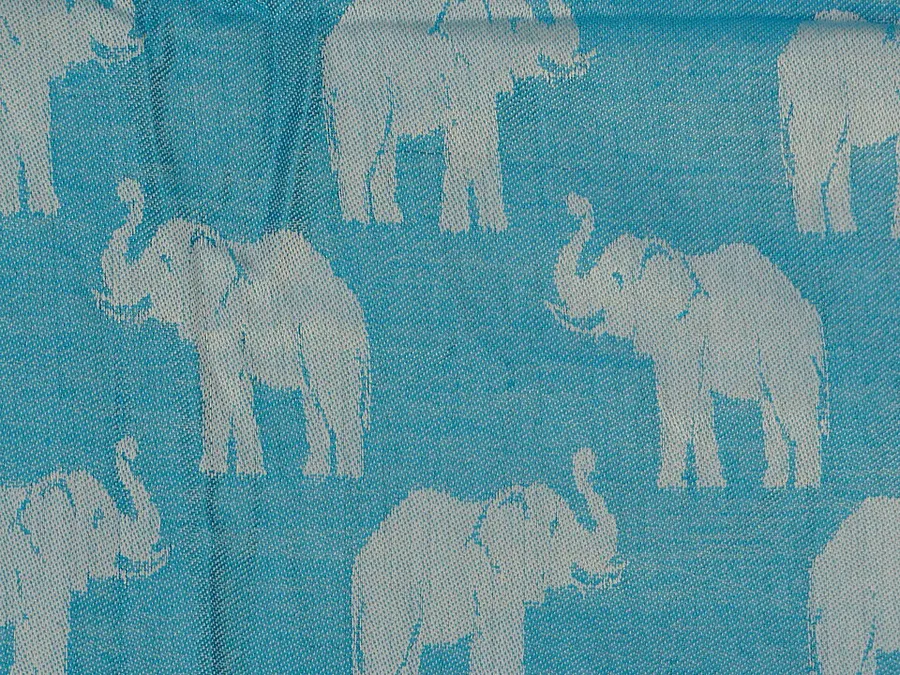
Kashmir Pashmina is one of India’s most protected and most faked handicraft categories, and export buyers who do not understand the GI framework, grading, and basic authenticity tests routinely get blended products mis-sold as pure pashmina. This guide walks an exporter (or overseas buyer sourcing from India) through what the GI actually covers, how genuine pashmina is graded, a practical checklist for spotting blends, realistic MOQs and lead times, and the documentation stack you will need at the Indian end.
What “Kashmir Pashmina” actually means
Genuine Kashmir Pashmina is the fine under-fibre (down) of the Changthangi goat reared at altitude in the Ladakh region, hand-spun and traditionally hand-woven on looms in Kashmir. The fibre is typically 12–16 microns in diameter, which is what gives it the lightness and warmth buyers expect. Anything coarser, or anything blended with sheep wool, merino, viscose, acrylic, or even silk beyond the accepted marg (border) limits, is not pashmina in the strict sense.
The product name is protected as a Geographical Indication under the Geographical Indications of Goods (Registration and Protection) Act, 1999, administered by the Geographical Indications Registry in Chennai. The GI is held by a registered proprietor (an industry body representing Kashmir pashmina weavers/traders), and its scope, permitted fibre content, and labelling rules are set out in the registered GI application. Exporters should treat that GI document as the source of truth, not a brochure.
GI protection and labelling rules for export
Two things matter for an exporter.
First, the GI logo. Products covered by the “Kashmir Pashmina” GI are expected to carry the GI logo and the registered proprietor’s mark on the product itself, hangtags, and packaging. Buying unmarked goods in bulk from a Srinagar trader and labelling them “Kashmir Pashmina” yourself at the port is a fast way to attract a GI infringement notice in India and a customs seizure under the Customs Act, 1962 (enforceable via ICEGATE).
Second, origin proof. The Certificate of Origin issued by the relevant Export Promotion Council and the GI tag together are what allow customs (CBIC) and overseas buyers to trace authenticity. EPCH — the Export Promotion Council for Handicrafts — is the natural partner here for handicraft shipments and can advise on CoO, RCMC, and post-export incentives. Always verify current GI labelling requirements and any approved emblem changes with the GI Registry before each shipment.
Grading: how genuine pashmina is graded
There is no single universal grading chart, but Kashmir traders and EPCH-recognised testing labs typically sort on a combination of fibre diameter, length, and end use:
- Grade A (superfine): roughly 12–14 micron fibre, used for the lightest shawls and scarves, often single-ply weave.
- Grade B (fine): roughly 14–16 micron fibre, the workhorse of the export shawl trade.
- Grade C / commercial: coarser under-fibre or larger-diameter guard hair, usually blended or used in sturdier weaves.
Pashmina is almost always sold by weight, and a heavy shawl at a low price is the single biggest red flag. As a working rule, an all-pashmina full-size shawl of around 200 × 100 cm in standard weave should not weigh more than 250–300 g; anything noticeably heavier is either densely woven (and priced accordingly) or carrying another fibre.
BIS has published standards covering pashmina products; for any export contract above sample size, insist on a test report from a NABL-accredited lab against the current BIS method before shipment. Confirm the applicable standard number and edition with BIS before you quote.
Spotting authentic vs blends — a buyer’s checklist
Use this on every new supplier and on a random sample of every shipment.
- Burn test (destructive, take buyer consent): pure pashmina burns slowly, smells like burnt hair, and leaves crushable black ash. Viscose flares and smells like paper; acrylic melts into a hard bead.
- Micron reading: ask for a laser scan / microscopic test. Above ~16 micron, it is not pashmina in any commercial sense.
- Slub and halo: pure pashmina has visible natural slubs and a soft halo on the surface. A perfectly uniform, slightly shiny surface usually means merino, silk, or acrylic.
- Price floor: if the FOB India price is dramatically below market for that grade and weight, assume blend until proved otherwise.
- GI markings: hangtag, woven label, and the proprietor’s mark should all match the same supplier-licence trail back into Kashmir.
- Hand feel at room temperature: cool and a little “slippery-dry.” If it feels plasticky or heavily slick, suspect acrylic.
MOQ, lead times and a worked example
For genuine hand-loom Kashmir Pashmina, realistic MOQs are higher than buyers expect:
- Stock designs, plain weaves: MOQ around 25–50 pieces per colour/size, lead time 4–6 weeks plus shipping.
- Custom design or custom dye: MOQ 50–100 pieces, lead time 8–12 weeks because the chain is hand-spinning → hand-weaving → hand-embroidery (aari/sozni) → dyeing → finishing.
- Fully bespoke with buyer-owned design: expect 12–16 weeks and a 30–50% advance.
Worked example: an EU buyer wants 200 women’s pashmina shawls, Grade B, 200 × 70 cm, two stock colours, packed in individual boxes. Realistic timeline is sample approval in week 1–2, bulk production in week 3–10, QC and lab testing in week 10–11, air or sea dispatch from week 11–12. Plan cash flow for roughly a 50% advance against PI and balance against pre-shipment inspection report.
Export mechanics on the Indian side
You will typically need an IEC (Import Export Code) from DGFT, RCMC registration with EPCH, GST registration, an AD code-linked bank account, and shipping-bill filing through ICEGATE. For the destination market, check if the country requires a Certificate of Origin (Preferential or Non-Preferential), and check BIS/quality requirements in the buyer’s country before you sign the contract. RoDTEP and any applicable Duty Drawback / IGST refund on exports can materially improve margin — confirm current rates and scheme conditions on the DGFT and CBIC portals before quoting.
Where GreenFlip India fits
GreenFlip India (greenflip.in) plugs Indian handicraft exporters into the wider GreenFlip network (greenflip.org), which surfaces verified cross-border demand. For pashmina specifically, that means vetted overseas buyer enquiries, sample-route support, and the kind of due-diligence trail (GI paperwork, lab reports, EPCH RCMC) that a serious foreign buyer asks for before the first PO.
Bottom line
If you are exporting or importing Kashmir Pashmina, treat the GI, the fibre micron, and the price floor as non-negotiables — everything else is negotiable. Build your supplier chain inside the registered GI ecosystem, test every bulk lot at a NABL lab against the current BIS standard, and document the shipment properly through DGFT, EPCH, and ICEGATE so customs and your buyer both have a clean paper trail. Do that and pashmina moves from being a counterfeit risk into one of the highest-margin categories in your handicraft book.
FAQ
What is required to legally export a product labelled as 'Kashmir Pashmina' under India's GI framework?+
Kashmir Pashmina is a registered Geographical Indication, so the fibre must originate from the Changthangi goat in Jammu & Kashmir and the product must be produced by authorised artisans/units within the designated region. Exporters should obtain GI-certified goods from registered producers, maintain chain-of-custody documentation, and carry the GI logo/tag on packaging as prescribed by the GI Registry.
How can an importer or quality team verify that a shawl is genuine Pashmina and not a viscose or merino blend?+
Genuine Pashmina fibre typically measures between 12–16 microns and is hand-spun, so a laboratory fibre-analysis test (e.g., optical microscopy or ISO 137) is the most reliable check. Practical field indicators include a very lightweight handle, a soft matte (not shiny) surface, and a distinctive wool/keratin smell when a fibre strand is gently burned, whereas synthetics melt and form a plastic bead.
What are typical minimum order quantities and lead times for sourcing handwoven Kashmir Pashmina for export?+
Handwoven pure Pashmina is produced in small artisan units, so MOQs commonly start from around 25–50 pieces per design, though larger weaver clusters can scale to 500+ pieces per style. Lead times usually range from 8–16 weeks, factoring in hand-spinning, hand-loom weaving, dyeing, and GI tagging/inspection before export.
Ready to source?
Submit one RFQ and we route it to matched suppliers across 12 origins.
Request a bulk quote →