Pre-Shipment Inspection for Indian Handicraft Exports
Pre-shipment inspection on Indian handicraft orders: what AQL sampling is and why it was designed for factories rather than karigar clusters, setting sensi
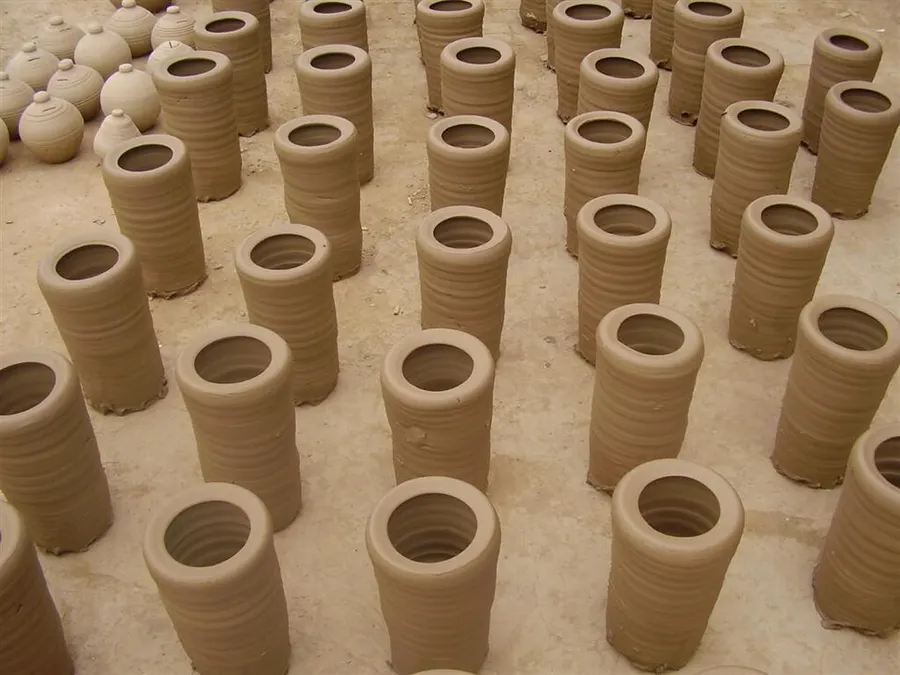
Pre-shipment inspection (PSI) is a quality and quantity check done on a finished export consignment before the shipping bill is filed, and for Indian handicrafts it works best when the sampling plan and acceptance limits are set with the realities of a karigar cluster in mind rather than borrowed from a factory-floor standard. AQL (Acceptable Quality Level) is the statistical sampling system most inspection agencies default to, and it was built for uniform industrial output — not for one-of-a-kind hand-carved, hand-painted, or hand-loomed goods. The rest of this guide explains how to adapt PSI for handmade consignments, when in the export workflow to time it, and what a usable report looks like.
What AQL actually is (and where it falls short for handicrafts)
AQL is a statistical sampling plan published by ISO 2859-1 for attribute inspection (pass/fail defects). You pick three numbers: the inspection level (I, II, III, or a special level like S-2), the AQL value (e.g., 1.0, 2.5, 4.0), and the lot size. The plan then tells you how many units to pull from a lot and how many defects you can tolerate before rejecting.
That system assumes:
- Defects are countable and classifiable (critical / major / minor)
- Units are interchangeable and produced in a controlled process
- The supplier can rework or replace failures cheaply
Handicraft consignments break each of those assumptions. A single brass lamp from Moradabad may have a slightly different patina from the next, a Khurja pottery piece has a one-off glaze run, and a Kashmiri crewel panel is not “defective” in the same sense as a stitching fault in a T-shirt. If you apply a tight AQL like 1.0 across the board, you can reject a perfectly good handmade lot — or, more commonly, the exporter quietly knows they cannot meet it and stops quoting the buyer at all.
Setting sensible limits for handmade goods
There is no “official” Indian AQL for handicrafts; it is a commercial decision between buyer and seller. In practice, EPCH (Export Promotion Council for Handicrafts) and most accredited quality agencies recommend the following.
- Split the consignment into sub-lots by artisan group, by style, and by size/colourway — not by the whole purchase order. A 5,000-piece order from three clusters is really three sub-lots.
- Use a special inspection level (S-1 to S-4) for low-defect-rate handmade goods, which pulls smaller samples than General Level II.
- Set a higher AQL than you would for machine-made goods. A common workable range is AQL 2.5 for major defects and 4.0 for minor on most craft categories. Critical defects (safety, structural failure) should still be at 0 or very tight.
- Pre-define “intentional variation” — colour shade movement in natural dye, visible tool marks, slight size tolerance — in the buyer’s tech pack. If it is not in writing, the inspector cannot apply it consistently.
- Always sign off a pre-production sample (PPS) before bulk production. This is the single most useful PSI step for handicrafts and the cheapest insurance against lot rejection.
Quick worked example
A 3,000-piece brass diya order from two Moradabad clusters. Sub-lot A: 1,800 pieces (Cluster 1). Sub-lot B: 1,200 pieces (Cluster 2). Using ISO 2859-1 special level S-2 at AQL 2.5 (major) and 4.0 (minor), the sample size for each sub-lot is 13 pieces, with accept numbers of 1 major and 2 minor. If sub-lot A returns 2 majors in the 13, it fails and goes back for rework; the re-inspected lot is reported as a new lot with its own sample. Critical defects (e.g., sharp burrs, lead-heavy solder) sit at zero tolerance regardless of AQL.
Where PSI fits in the shipping workflow
The inspector’s job is to produce a report you can attach to your bank/LC documents and that customs accepts via ICEGATE as evidence of the consignment’s actual condition. The right point in time is after packing, but before the container is sealed and the shipping bill is filed.
In practice for an IEC-holder exporter:
- Goods packed, marked, and palletised against the buyer’s tech pack.
- PSI agency pulls samples, runs checks, issues a clean report or a rework note.
- If rework is needed, it happens, and a re-inspection is scheduled.
- Once clean, the container is sealed (tamper-evident seal number recorded), the shipping bill is filed through ICEGATE, and RoDTEP/DBK claims are initiated later against the same shipping bill.
- The bill of lading is released against the clean PSI report — many LC clauses literally demand it.
Timing-wise, book the inspector as soon as the packing list is frozen. The biggest avoidable delay in Indian handicraft shipments is a buyer rejecting on the pier because PSI was scheduled after cargo reached the port. Verify any product-specific mandatory pre-shipment testing (for example, BIS quality orders on metalware, toys, or food-contact items) with the current DGFT notification and the BIS portal before you book the vessel.
What a usable PSI report should contain
For a handicraft shipment, an inspector’s report that only says “passed” is not enough. Ask for:
- Lot identification: style number, karigar/cluster, sub-lot size
- Reference to the signed PPS and any permitted variation
- Sampling plan used (level, AQL by defect class) and the resulting lot size, sample size, and accept numbers
- A defect classification list specific to the craft (e.g., for wood: cracks, knots beyond tolerance, finish peel; for textile: slubs, dye bleeding, GSM deviation; for metalware: solder gaps, tarnish, weight shortfall)
- Photographic evidence of any defect found, with a count
- Packing and marking check against the buyer’s specification
- Carton count, net/gross weight verification, pallet/crate condition
- Inspector’s seal number on the consignment, recorded on the report
- Sign-off block: inspector name, agency accreditation (ISO/IEC 17025 scope is a good signal), date, and place
Keep one scanned copy with your IEC, GST registration, and shipping bill file. It is the document that ties a dispute back to a specific lot.
Quick PSI checklist for the exporter
- Tech pack and signed PPS in hand before production starts
- AQL plan agreed in writing (level, defect classes, accept numbers, intentional variation)
- Inspector booked for after packing, before container seal
- Report covers: sampling, defects by class, photos, packing/marking, weights, seal number
- Clean report filed with the shipping bill on ICEGATE before EGM/LET export
- LC clauses cross-checked against the report so payment is not held up
When the buyer is on the other side
For overseas buyers sourcing from India through a GreenFlip-connected partner, the same PSI logic applies in reverse: specify the AQL in the PO, ask for a pre-shipment sample approval, and require the inspector’s report as a payment-release condition. Through the wider GreenFlip network (greenflip.org), this kind of standard is what connects Indian karigar output to consistent cross-border demand without the same inspection arguments repeating on every order.
Bottom line
Treat PSI as a contract tool, not a policing tool: agree the AQL, the defect classes, and the permitted handmade variation in writing before production, and you will rarely have a dispute at the pier. For Indian handicrafts, sample against the karigar sub-lot, accept a slightly looser AQL than you would for factory goods, and time the inspection between packing and the ICEGATE shipping bill so the report can travel with the documents. Verify current PSI-related requirements, BIS quality orders, and any product-specific mandatory pre-shipment rules with DGFT, CBIC, and EPCH before you ship, as these change.
FAQ
What is AQL sampling, and is it really suitable for handmade Indian handicrafts?+
AQL (Acceptable Quality Level) is a lot-by-lot statistical sampling system, standardised under ISO 2859-1, that decides whether a batch is acceptable based on the number of defects found in a randomly drawn sample. It was designed for uniform, machine-made factory output, so when it is applied rigidly to karigar clusters—where natural variation in wood, brass, textile or papier-mâché pieces is part of the craft—it can wrongly reject acceptable artisan differences as 'defects'. Most Indian exporters therefore negotiate relaxed or 'handicraft-grade' AQL limits with the buyer before the order is confirmed.
When exactly should pre-shipment inspection happen in relation to the shipping bill?+
PSI should be completed after final packing and cartoning but before the shipping bill is filed on ICEGATE, because the inspection report is often a document required under the buyer's Letter of Credit or purchase agreement. The usual practice is to schedule inspection when at least 80% of the lot is packed and ready at the warehouse, leaving room for rework if the lot fails. If the shipping bill is filed before inspection and a dispute later arises, the cargo can be held up at the port and the exporter may face a quality claim abroad.
What should a pre-shipment inspection report for handicraft exports contain?+
A standard PSI report for handicrafts should include buyer and seller details, order reference and product description, lot size, sample size and the AQL level applied, a tally of critical, major and minor defects found, overall pass/fail/rework recommendation, and dated photographs of the inspected goods as well as any defects. For handmade items, the report should also record the agreed craft variations—such as minor shade, size or carving differences—so these are documented and not treated as manufacturing defects in a later claim.
Ready to source?
Submit one RFQ and we route it to matched suppliers across 12 origins.
Request a bulk quote →