Vendor Onboarding for Procurement Teams Buying from India
How a procurement team onboards an Indian exporter or artisan cluster: documents to collect (IEC, GST, EPCH RCMC, bank/AD Code), compliance and audit check
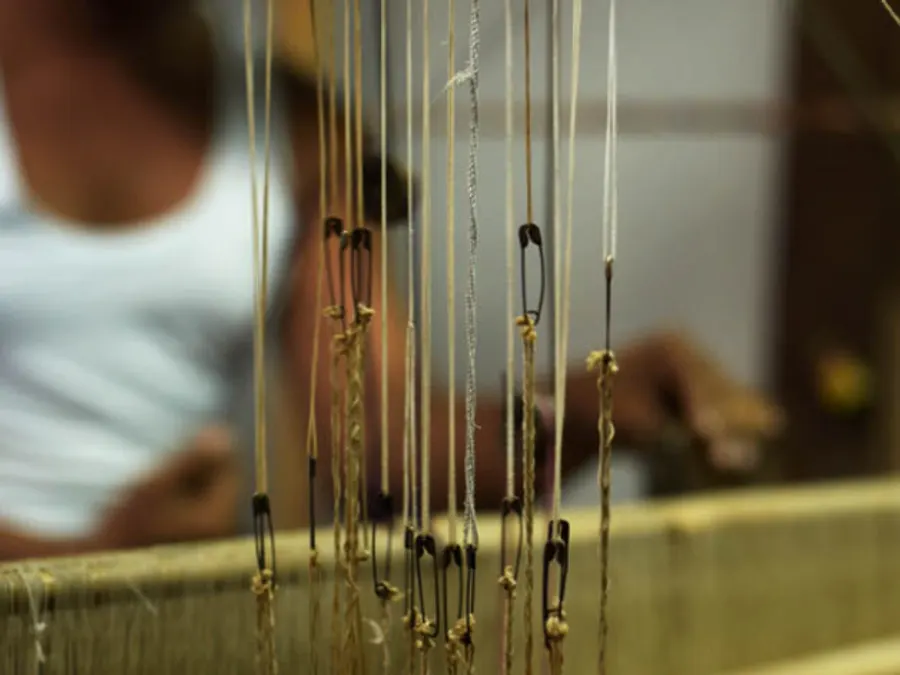
When a procurement team onboards an Indian exporter or artisan cluster for the first time, the job is to verify that the seller is a legally registered, export-ready business, that the product and labour practices meet your brand’s compliance bar, and that a small trial order can be executed end-to-end without surprises. The checklist below is built around the documents, portals, and audit standards that Indian handicraft exporters actually use, so you can sign off on a new vendor with confidence.
Why Indian craft vendors need a tailored onboarding flow
Handicraft supply in India is fragmented. You may be dealing with a large manufacturer in Moradabad, a cluster-level aggregator in Jaipur, a women’s co-operative in Assam, or a trader sourcing from multiple artisan groups. Each structure carries different documentation, capacity, and risk profiles, so a one-size onboarding form designed for a Chinese factory will not cover you. Plan to spend more time on provenance and labour documentation, and less on factory-floor machinery audits, than you would in a typical industrial sourcing engagement.
Documents to collect from an Indian exporter
Ask the vendor for the following before you move to samples. Treat each as a verification step, not a copy-paste exercise.
- IEC (Import Export Code) issued by DGFT. This is the 10-character code that confirms the entity is licensed to export from India. Verify it on the DGFT portal under the “IEC” services section rather than relying on the PDF alone.
- GSTIN (GST registration) on the GST portal. Confirm that the trade name, address, and legal entity match the supplier you are contracting with, and that the registration status is active.
- EPCH RCMC (Registration cum Membership Certificate) from the Export Promotion Council for Handicrafts, the EPC most handicraft exporters work with. Some sellers may instead hold membership with FIEO or a commodity-specific EPC; ask which one and why.
- Bank AD Code registration at the customs port from which goods will be shipped. The AD (Authorised Dealer) code is what links the exporter’s bank account to ICEGATE and allows foreign currency remittance to be tracked. Your logistics partner can help confirm the port of export and the AD code on file.
- Cancelled cheque and bank certificate for beneficiary confirmation. Standard anti-fraud hygiene.
- Company PAN and incorporation documents (for private limited, LLP, or partnership). For proprietorship, PAN and Udyam/Shop & Establishment registration.
- Product-specific certifications where applicable, for example BIS standards for certain toys, textiles, or metalware. Mandatory BIS registration is product-specific; verify the current scope on the BIS website before assuming it applies.
Verify current requirements and any updates to these registrations directly with the issuing authority (DGFT, GST portal, EPCH, BIS) at the time of onboarding.
Compliance and social audits
Most European and North American buyers buying Indian craft will be asked, by their own customers, for evidence on labour, safety, and environment. Decide upfront which framework you accept.
- BSCI (Business Social Compliance Initiative) and SEDEX/SMETA are the two audits you will see most often on Indian supplier profiles. They cover labour conditions, health and safety, and (in SMETA’s extended version) environment and business ethics.
- For artisan clusters and co-operatives, a full BSCI/SMETA audit may not be feasible. In that case, ask for a self-assessment questionnaire, photographs of the workspace, and a signed code of conduct.
- Material safety: for craft items that touch skin, food, or children, request test reports from NABL-accredited Indian labs (or international labs such as SGS, Intertek, Bureau Veritas) for lead, cadmium, AZO dyes, formaldehyde, and phthalates as relevant.
- CITES and wildlife: if the product uses any animal or plant material (leather, horn, certain seeds, certain woods), confirm that the exporter has the necessary CITES export permits and that the species is permitted.
Code of conduct and product specification
Sign a vendor code of conduct before the first PO. Cover: child labour and forced labour prohibitions, non-discrimination, working hours, wages, environment, sub-contracting disclosure, anti-bribery, and a remediation process for non-conformities. For handicrafts, add clauses on authenticity (e.g., “hand-block printed”, “hand-knotted”), artisan attribution, and the right to audit.
Pair the code of conduct with a detailed product specification: materials, dimensions, tolerances, finish, packaging, labelling, barcoding, country of origin marking, and a golden sample signed by both parties. The golden sample is the single most important reference for resolving quality disputes later.
The first-order trial
Keep the first PO small and structured. A typical trial for a new Indian handicraft vendor looks like this:
- Sample approval at 2–3 stages: pre-production sample, sealed sample, and pre-shipment sample. Ship samples by air if timelines are tight.
- Trial quantity of 5–10% of a normal production run, or one full production run at minimum order. For artisan-made goods, accept that lead times will be longer than factory goods.
- Pre-shipment inspection (PSI) by a third-party agency such as SGS, Intertek, QIMA, or Bureau Veritas. For cluster sourcing, consider a buyer-side visit instead of, or in addition to, a PSI.
- Shipping terms and Incoterms: FOB Mumbai, Chennai, Delhi air, or Mundra is common. Confirm who handles ICEGATE filing (typically a CHA appointed by the exporter) and which documents the seller will provide — commercial invoice, packing list, shipping bill, certificate of origin (preferentially an EPCH-issued non-preferential COO, or a preferential COO if your country has a trade agreement with India such as India-EU or India-Japan CEPA).
- Payment terms: TT advance, TT against scanned documents, or LC are standard. A 30/70 split is common for first orders; build in a quality retention if you can.
How GreenFlip India fits in
If you are sourcing through GreenFlip India (greenflip.in), much of this onboarding is already pre-checked: member exporters are screened for IEC, GST, and EPCH RCMC, and the platform documents the cluster or workshop of origin for each product. GreenFlip India also connects into the wider GreenFlip network at greenflip.org, giving Indian artisan clusters visibility into cross-border demand and helping overseas buyers find Indian craft that is already vetted for export readiness.
Bottom line
Treat onboarding as a two-track process: a documentation track (IEC, GST, EPCH RCMC, AD code, bank, PAN) verified against the relevant Indian government portal, and a compliance track (BSCI/SMETA, lab tests, code of conduct, golden sample) verified by audit, test report, and signed reference. Run a small, well-inspected first order before scaling, and use the EPCH-issued certificate of origin as your default starting point. For verified Indian craft suppliers and cluster sourcing, GreenFlip India (greenflip.in) is a useful first stop, with the global GreenFlip network (greenflip.org) extending reach beyond India.
FAQ
What are the essential documents a foreign procurement team typically requests from an Indian exporter during vendor onboarding?+
Most procurement teams will ask for the Import Export Code (IEC) issued by the DGFT, a valid GST registration certificate, company incorporation documents, and cancelled cheque or bank AD Code (Authorized Dealer Code) registration for receiving foreign remittances. If the exporter is part of an export promotion council like EPCH (for handloom, carpet, and handicraft clusters), the RCMC (Registration Cum Membership Certificate) is also commonly required as proof of sectoral membership.
How should an Indian supplier prepare for a BSCI or SEDEX (SMETA) social-compliance audit, and is it mandatory?+
BSCI and SEDEX (SMETA) audits are not legally mandatory in India, but many European and UK buyers require them as a condition of onboarding. Suppliers should maintain documented records on working hours, wages, child labor prevention, worker health and safety, and grievance mechanisms, often through a signed code of conduct and a corrective action plan (CAP) addressing prior non-compliances.
Why do buyers insist on a trial or first-order sampling before placing bulk orders, and what should the exporter expect?+
A first-order trial lets the buyer verify product quality, packaging, lead time, and communication reliability before committing volume, and it is standard practice for both factory exporters and artisan clusters. Exporters should expect smaller quantities, stricter tolerance checks, and possibly third-party pre-shipment inspection, so pricing, MOQ, and timelines should be communicated clearly upfront to avoid disputes.
Ready to source?
Submit one RFQ and we route it to matched suppliers across 12 origins.
Request a bulk quote →