Channapatna Toys: An Export Guide
A guide to exporting GI-tagged Channapatna lacquered wooden toys — safety (lac, colours), CPSIA/EN71 considerations for buyers, MOQ, and clusters
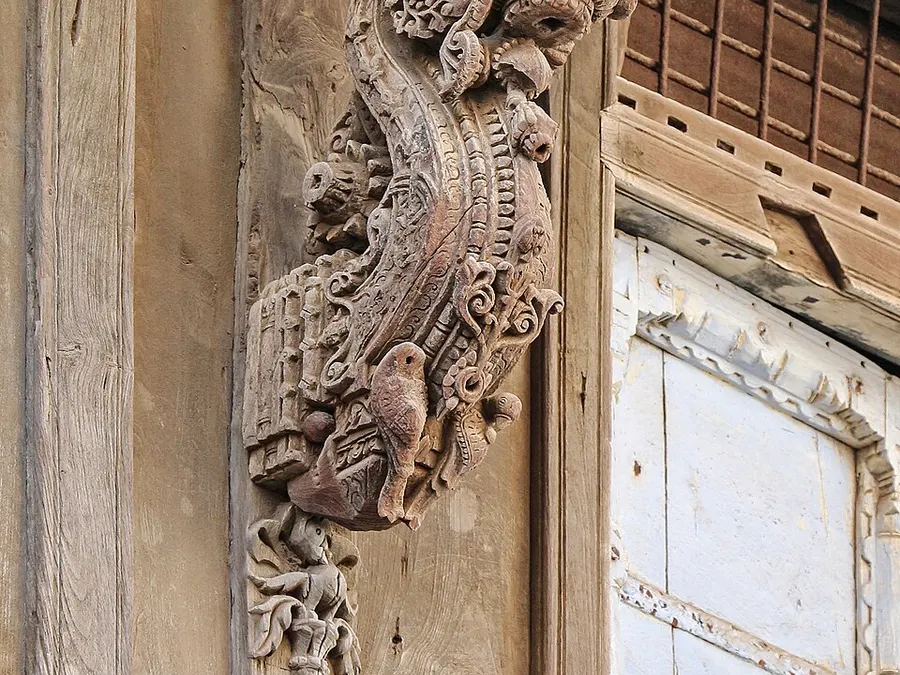
Channapatna toys are a real export category, not a niche curiosity. With the right safety paperwork, a registered GI story, and a cluster-based supplier base, Indian exporters can move them into EU, US, and Gulf markets profitably. Below is a working playbook covering compliance, sourcing, pricing, and logistics.
What “Channapatna” actually means
Channapatna refers to a cluster in Ramanagara district, Karnataka, traditionally known as “Gombegala Ooru” (toy town). The craft is lacquered wooden turnery: a locally sourced soft wood (historically Wrightia tinctoria, also called “ale mara” or ivory-wood substitute) is turned on a lathe, then coated with lac resin coloured with pigments. Channapatna toys are a registered Geographical Indication (GI) with the Geographical Indications Registry of India, which means the name can only be lawfully used for toys made in the registered area and following the registered process.
For an exporter, the GI matters in two ways. First, it is a marketing asset — origin-tagged, handmade, child-safe, eco-friendly. Second, it constrains what you can call the product. If you are not sourcing from the Channapatna cluster (Ramanagara and a few neighbouring taluks as defined in the GI register), do not use the name.
Safety, lac, and colours: the real conversation
Buyers will ask three questions: is the lac natural, are the colours safe, and does the toy pass toy-safety tests in their market.
Lac. The traditional Channapatna finish is shellac-based natural lac, food-contact-safe in principle. Modern producers sometimes use synthetic lacquers for gloss or colour stability. Confirm in writing whether the finish is natural lac or a synthetic resin — buyers will ask.
Colours. Traditional vegetable and organic pigments have largely given way to a mix of approved synthetic organic and inorganic pigments. For the EU, the relevant rules are REACH (restricted substances, heavy metals) and the EN 71 series (mechanical, flammability, migration of certain elements). For the US, CPSIA sets limits for lead and phthalates and works alongside ASTM F963. For most retailers, lab test reports against EN 71-1, -2, -3 and CPSIA / ASTM F963 are non-negotiable.
BIS. India has toy safety standards under the IS 9873 series, broadly aligned with EN 71. Whether a particular BIS standard is mandatory for any given consignment depends on the buyer, the destination market, and any Indian rule in force at the time. Verify current applicability and any compulsory BIS marking requirement with the Bureau of Indian Standards before quoting.
Documentation an Indian exporter should have ready
Keep a permanent file with the following:
- IEC (Import Export Code) from DGFT — non-negotiable for any export shipment.
- GST registration with an active Letter of Undertaking if exporting under bond without IGST.
- RCMC (Registration-Cum-Membership Certificate) from EPCH — the Export Promotion Council for Handicrafts is the relevant EPC for this category.
- GI evidence — supplier declarations, cluster map, workshop photographs, and producer confirmation that goods originate from the registered area.
- Certificate of Origin (non-preferential or preferential, as the buyer needs) issued by the designated agency.
- Lab test reports for the specific lot, against EN 71-1/-2/-3 and/or ASTM F963 / CPSIA, from a NABL-accredited Indian lab or an international lab accepted by the buyer.
- Social compliance pack — written policy on child labour and minimum worker age, plus willingness to be audited (BSCI, SEDEX, SA8000 are common buyer asks).
- Packing list, commercial invoice, shipping bill filed through ICEGATE.
- Insurance for the consignment.
Verify any current DGFT notifications, ICEGATE procedure changes, and EPCH membership rules on the respective official portals before relying on them.
Cluster, MOQ, and a worked pricing example
The cluster. Most production is in Channapatna town and surrounding villages in Ramanagara, with spillover into Magadi and Devanahalli taluks. Plan sourcing trips as two-day visits with a local fixer’s help — kiln-dried wood, finished goods, and artisans are not all on one street.
MOQ reality. Artisans are micro-units, often 3–8 workers. A 20-foot container of mixed Channapatna toys is a realistic minimum for a steady export programme; air-freight samples and LCL consolidations work for first orders. Below that, you will struggle to land consistent finish across SKUs.
Worked example (illustrative, not a quote). Suppose you build a 5-cubic-metre LCL of mixed wooden toys — pull-along animals, stacking rings, beads-on-string, rattles — averaging about 250 g per unit finished and packed. At roughly 350 pieces per CBM you are looking at ~1,750 pieces per CBM, so ~8,750 pieces in 5 CBM. Ex-works Ramanagara, the same article can range from about ₹120 to ₹600 per piece depending on size, joinery, and finish; work with a blended average of ₹220. Goods value comes to roughly ₹19–20 lakh, plus inner packing, export carton, fumigation if the buyer requires it, inland transport to a Bengaluru ICD (Whitefield or Bangalore City), customs handling, and ocean freight. Add 8–12% for packing, 1–1.5% for inland and origin charges, and freight depending on destination. Landed cost per piece for a US or EU buyer will typically sit in the US$2.00–3.50 band before margin, workable against retail markups of 4–6x. Treat these as a planning anchor, not a quote.
Logistics, HS code, and incentive schemes
HS classification. Wooden toys typically fall under Chapter 95 (toys), commonly heading 9503. The exact sub-heading depends on the article; confirm the right ITC-HS code with a customs broker or on the CBIC / ICEGATE portal before filing.
Incentives. Under the current foreign trade policy framework, Channapatna toys as a handicraft category may be eligible for the RoDTEP (Remission of Duties and Taxes on Exported Products) scheme, which rebates embedded taxes. Specific rates and caps change — confirm current RoDTEP scrolls and any applicable Chapter 95 entitlements on the DGFT and ICEGATE portals at the time of shipment.
Shipping and packaging. Bengaluru ICDs (Bangalore City, Whitefield) handle most cluster cargo; some buyers prefer Chennai port for certain destinations. Wooden pallets and dunnage must meet ISPM 15 standards for phytosanitary compliance — this is a packaging requirement, not a product requirement. For high-value or time-sensitive samples, air freight via BLR is straightforward.
How GreenFlip India fits in
GreenFlip India (greenflip.in) is the handicraft import–export desk of the wider GreenFlip network. For Indian exporters, that means access to vetted overseas buyer demand, category-level feedback (which colours move, which SKUs fail lab tests), and co-ordination with GreenFlip’s cross-border logistics and compliance partners through greenflip.org. For overseas buyers, it is a single entry point into a cluster that is otherwise fragmented.
Bottom line
Channapatna toys are export-ready as a category — but only if you treat safety, GI provenance, and documentation as core product features, not afterthoughts. Land your first LCL with full EN 71 / CPSIA lab reports and a clean GI story, then scale to FCL once finish consistency is locked in. Use EPCH for trade support, DGFT and ICEGATE for compliance, and the Ramanagara cluster for the craft itself.
FAQ
What safety testing and certifications do Channapatna toys need before exporting to the EU and US?+
For the EU, toys must meet the EN 71 series (mechanical, flammability, chemical migration) and carry the CE mark under the Toy Safety Directive. For the US, compliance with CPSIA (lead content, phthalates) and ASTM F963 is generally required. Because traditional lac and vegetable-dye finishes do not automatically meet these limits, pre-shipment testing at NABL-accredited or international labs (e.g., SGS, Intertek, TÜV) is recommended for every batch.
What is the typical minimum order quantity (MOQ) when sourcing from the Channapatna cluster, and who are the right contacts?+
MOQs vary by supplier: individual artisans in the Channapatna–Ramanagara cluster (Karnataka) often quote 500–2,000 pieces per design, while cooperatives and larger units such as the Karnataka State Handicrafts Development Corporation (KSHDC) can handle container-load volumes. Exporters usually approach the Channapatna Toy Manufacturers' Cooperative Society, KSHDC, or the regional Office of the Development Commissioner (Handicrafts) for cluster-level coordination.
How does the Channapatna GI tag help an exporter, and how is the authenticity of 'genuine' Channapatna toys verified?+
The registered Geographical Indication for Channapatna toys (filed through the GI Registry, Chennai) legally protects the name and adds value in premium overseas markets that recognise Indian handicrafts. Buyers and exporters should source from the notified region in and around Channapatna town in Ramanagara district, retain the authorised-user certificate from the registered proprietor, and apply the GI logo on packaging and labels in line with the Geographical Indications of Goods (Registration and Protection) Act, 1999.
Ready to source?
Submit one RFQ and we route it to matched suppliers across 12 origins.
Request a bulk quote →